Abdul haye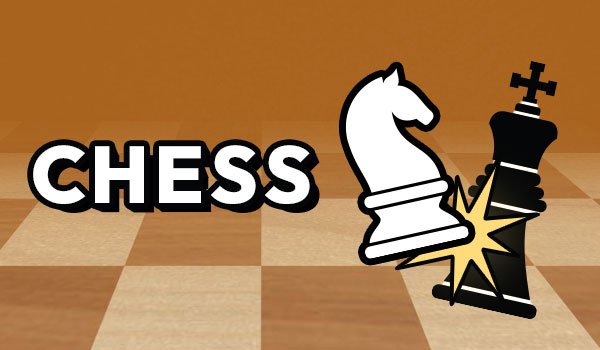
Chess has long been celebrated as the ultimate game of strategy, patience, and intelligence. In recent years, it has found a new and exciting home among cool math games, captivating students, educators, and families worldwide. The integration of chess into the realm of educational games has not only made learning math more engaging but has also helped sharpen critical thinking, problem-solving, and cognitive skills in a fun, interactive way. This article explores the fascinating intersection of chess and cool math games, how they benefit learners, and practical ways to incorporate them into daily learning routines.
Why Chess is the Ultimate Cool Math Game
At first glance, chess may seem disconnected from arithmetic and mathematical formulas. However, a deeper look reveals that chess is inherently mathematical. Each move demands calculation, pattern recognition, and logical reasoning—core components of mathematical thinking. Here’s why chess is rightly considered an outstanding math game:
- Pattern Recognition: Chess players must recognize recurring board patterns to anticipate their opponent’s moves, a skill mirrored in identifying mathematical patterns.
- Calculation and Probability: Evaluating several potential moves ahead involves calculating various outcomes, similar to solving math problems or understanding probabilities.
- Spatial Reasoning: Navigating chess pieces across the board strengthens spatial awareness, a crucial skill in geometry and other math branches.
- Logical and Sequential Thinking: Each move follows a logical sequence, reinforcing the importance of step-by-step reasoning applied in mathematical problem-solving.
Chess and Math in the Classroom
Teachers are increasingly turning to chess cool math games as a dynamic teaching tool. Online platforms and apps now offer interactive chess puzzles, timed challenges, and tutorials that combine learning with play. Here’s how chess enhances math education:
- Engagement: Chess transforms abstract math concepts into tangible, engaging challenges, making students more enthusiastic about learning.
- Critical Thinking: Solving chess puzzles requires deep analysis and critical thinking, nurturing the same skills needed for complex math questions.
- Confidence Building: Mastering a challenging game like chess boosts students’ confidence, which translates into a more positive attitude toward math.
Popular Chess Cool Math Games and Platforms
As chess has evolved in the digital age, numerous platforms blend the game with cool math activities. Some notable options include:
- Chess.com Puzzles: Offering daily challenges and interactive lessons that emphasize logical reasoning and math-like strategies.
- Lichess.org: A free, open-source platform with puzzle rushes, training modules, and tournaments that encourage quick thinking and pattern recognition.
- Coolmath Games Chess: This platform introduces chess in a user-friendly format, complete with hints and tutorials, making it accessible to beginners and seasoned players alike.
- Math Playground Chess: Combining classic chess with brain teasers and math puzzles for a well-rounded educational experience.
The Benefits of Chess Cool Math Games
- Improved Mathematical Ability: Studies have shown that students who play chess regularly perform better in math, particularly in areas like problem-solving, logic, and pattern recognition.
- Boosted Memory and Concentration: Keeping track of the board and anticipating opponents’ moves enhances working memory and focus.
- Emotional Development: Chess teaches patience, sportsmanship, and resilience—qualities essential for academic success and personal growth.
- Accessible Learning: Chess cool math games are available online for free or at a low cost, making high-quality educational resources accessible to everyone.
How to Incorporate Chess Cool Math Games in Learning
- Daily Warm-Ups: Start math class with a quick chess puzzle to stimulate students’ brains and set a problem-solving tone for the lesson.
- Homework Assignments: Assign online chess puzzles as homework to reinforce logical reasoning outside the classroom.
- Chess Clubs: Create a school or community chess club to foster a love of learning and healthy competition.
- Family Game Night: Encourage families to play chess cool math games together, creating positive associations with learning and math.
Tips for Getting Started
- Begin with Basics: For newcomers, start with simple tutorials and gradually increase complexity as confidence grows.
- Use Technology: Take advantage of websites and mobile apps designed for learners of all ages and skill levels.
- Set Goals: Challenge students or yourself to solve a certain number of puzzles each week or to advance to a higher level of difficulty.
- Celebrate Progress: Recognize achievements, whether mastering a new chess tactic or improving math test scores, to keep motivation high.
Chess Variants: Adding More Fun to Math Learning
Beyond classic chess, there are exciting variants and mini-games that keep the experience fresh and math-focused:
- Speed Chess: Timed games encourage rapid calculation and decision-making under pressure.
- Chess Puzzles: These short scenarios require players to find the best move or solve a checkmate, honing logic and pattern recognition.
- Knight’s Tour: A mathematical puzzle where the knight must visit every square on the board once, reinforcing spatial reasoning and sequence planning.
- Math-Based Chess Problems: Some games blend chess moves with arithmetic challenges, offering dual-layered cognitive workouts.
Testimonials: Real-World Success Stories
Many educators and parents report remarkable improvements in students’ math performance and enthusiasm after integrating chess cool math games into their routines. Teachers have observed:
- Increased participation and excitement in math classes
- Enhanced problem-solving abilities
- Improved grades and standardized test scores
- Stronger perseverance when facing difficult tasks
Frequently Asked Questions
- Can young children benefit from chess cool math games?
Absolutely! Many platforms offer simplified versions for younger kids, introducing them to strategic thinking and basic math concepts. - Do I need to be a chess expert to use these games?
Not at all. Most platforms provide tutorials, hints, and step-by-step guides suitable for all skill levels. - How much time should students spend playing chess math games?
A few short sessions per week can have a positive impact, especially when balanced with other learning activities.
Conclusion
Chess cool math games are more than just a way to pass the time—they are powerful educational tools that make math fun, interactive, and intellectually stimulating. Whether in the classroom, at home, or online, these games foster critical skills that benefit learners for life. By integrating chess into daily learning routines, students can unlock their full potential in math and beyond, all while having a great time.