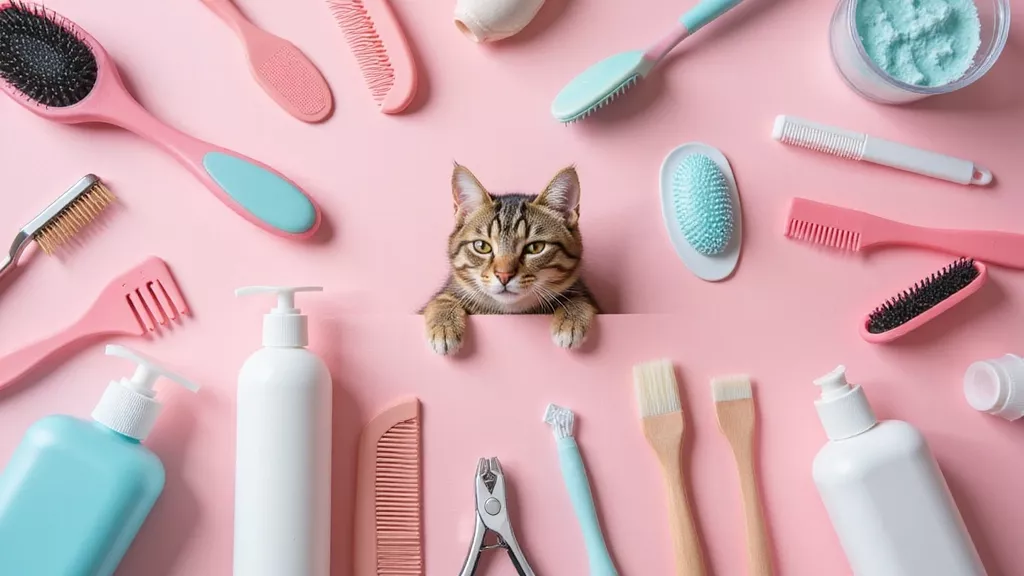
Cats are known for their elegance and fastidious grooming habits. However, even the most diligent feline needs a little help from their human companions. Regular grooming isn’t just about keeping your cat looking beautiful; it’s essential for their health, comfort, and well-being. The key to effective grooming lies in using the right tools. With a plethora of cat grooming tools available, choosing the best ones for your pet can seem overwhelming. This article will explore various cat grooming tools, their purposes, how to use them, and tips for building a stress-free grooming routine your cat will love.
Why Grooming Matters for Cats
Before diving into specific tools, it’s important to understand why grooming is crucial for cats. Grooming helps to:
- Remove loose fur and reduce shedding
- Prevent and eliminate hairballs
- Minimize mats and tangles, especially in long-haired breeds
- Distribute natural skin oils, promoting a shiny, healthy coat
- Spot signs of skin problems, parasites, or injuries early
- Strengthen the bond between cat and owner
Even short-haired cats benefit from regular grooming sessions. Investing in the right grooming tools is a step toward a healthier, happier feline.
Essential Cat Grooming Tools
1. Brushes and Combs
A. Slicker Brushes
Slicker brushes have fine, short wires close together. They are excellent for removing loose hair, tangles, and dirt from the coat. Slicker brushes work well for both long- and short-haired cats, though you should use a gentle hand to avoid irritating sensitive skin.
B. Bristle Brushes
Bristle brushes are made with natural or synthetic bristles, ideal for smoothing the coat and distributing natural oils. They are best suited for short-haired cats and leave the fur looking glossy.
C. Pin Brushes
These brushes resemble human hairbrushes, with widely spaced pins tipped with plastic or rubber. Pin brushes are perfect for long-haired breeds, helping to detangle and fluff the coat without causing discomfort.
D. Shedding Tools/Deshedding Brushes
Tools like the Furminator are specifically designed to reach through the topcoat and remove loose undercoat hair. These are excellent for cats that shed heavily and can significantly reduce hairballs.
E. Flea Combs
Flea combs have very fine, closely spaced teeth that trap fleas, flea dirt, and eggs. They are also useful for checking your cat’s coat for skin problems or parasites.
F. Dematting Tools
Dematting combs have sharp, curved blades or teeth designed to cut through tough mats and tangles. These tools are indispensable for long-haired cats prone to matting but must be used carefully to avoid nicking the skin.
2. Nail Clippers and Grinders
Regular nail trimming prevents painful overgrowth, splits, and snags. There are several types of nail clippers:
- Scissor-Style Clippers: Resemble small scissors with curved blades to fit around the claw.
- Guillotine-Style Clippers: Have a hole where the nail is inserted and a blade slices off the tip.
- Nail Grinders: Use a rotating emery board to file the nail down gradually—good for cats sensitive to clipping.
Always use clippers made for cats or small animals for safety and precision.
3. Grooming Gloves and Mitts
Grooming gloves are worn like regular gloves and have rubber or silicone tips on the palm. As you pet your cat, the glove removes loose hair and massages the skin, making it a great option for cats who dislike traditional brushes.
4. Bathing Tools
Most cats rarely need baths, but when they do, having the right tools helps:
- Cat-Safe Shampoo: Always use shampoos formulated for cats, as human or dog shampoos can be harmful.
- Bathing Mitts or Sponges: For scrubbing dirt and distributing shampoo evenly.
- Towels and Dryers: Quick-dry towels and low-heat pet dryers help dry your cat gently post-bath.
5. Ear and Eye Cleaning Tools
- Cat Ear Cleaners: Special solutions with applicator tips for cleaning ears safely.
- Cotton Balls or Pads: For wiping ears and eyes (never use cotton swabs inside the ear canal).
- Eye Wipes: Pre-moistened wipes formulated for cats to clean tear stains and eye discharge.
6. Toothbrushes and Dental Care Tools
Dental health is often overlooked in cats. Investing in cat-specific toothbrushes (finger brushes or small-bristled brushes) and enzymatic toothpaste helps prevent gum disease, tartar, and bad breath.
Tips for Choosing the Right Cat Grooming Tools
- Match Tools to Coat Type: Long-haired cats need different brushes than short-haired ones. Double-coated breeds may require deshedding tools, while short-haired cats do well with bristle or slicker brushes.
- Check for Ergonomics: Choose tools with comfortable handles for better control and less fatigue during grooming sessions.
- Prioritize Safety: Avoid tools with sharp edges or poorly constructed parts that could scratch or injure your cat.
- Ease of Cleaning: Select brushes and combs that are easy to clean after each use to prevent the spread of dirt or parasites.
How to Build a Cat Grooming Routine
Start Slow:
Introduce grooming tools gradually. Let your cat sniff and inspect them before use.
Choose the Right Time:
Pick a time when your cat is relaxed, perhaps after a meal or play session.
Keep Sessions Short:
Begin with a few minutes and gradually extend the duration as your cat gets comfortable.
Reward and Reassure:
Offer treats and praise to create a positive association with grooming.
Be Gentle:
Always use gentle strokes and avoid tugging on mats or knots, which can hurt your cat.
Be Consistent:
Regular grooming (a few times a week or more for long-haired cats) prevents tangles and sheds and helps you spot issues early.
Common Grooming Challenges and Solutions
- Matting: For tough mats, use a dematting tool or consult a professional groomer if mats are close to the skin.
- Shedding: Frequent brushing with a deshedding tool reduces hairballs and loose fur around the house.
- Fear of Tools: Try grooming gloves or mitts, which feel like petting and are less intimidating.
- Aggression or Anxiety: Keep sessions calm and brief. If your cat is particularly stressed, consult your veterinarian or a professional groomer.
The Benefits of Professional Grooming
While home grooming is essential, professional cat groomers are equipped to handle challenging mats, trim nails, and even give sanitary trims. They can provide advice on the best grooming tools and techniques for your specific cat breed and needs.
Conclusion
Investing in the proper cat grooming tools is an act of love and responsibility. From brushes and combs to nail clippers and grooming gloves, these tools help keep your feline companion looking and feeling their best. Regular grooming not only minimizes hairballs and mats but also strengthens the bond between you and your pet. By understanding your cat’s unique needs and choosing the right tools, you’ll pave the way for a healthier, happier, and more comfortable life for your beloved feline friend.