Abdul haye
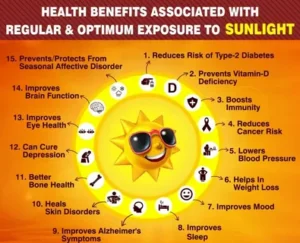
In today’s fast-paced, mostly indoor lifestyle, many people underestimate the importance of a simple, natural gift — sunlight. While we all know the sun provides warmth and helps plants grow, its impact on human health, especially mental well-being, is profound. Science has shown that sunlight does far more than illuminate our world — it helps regulate mood, sleep, and emotional balance.
In this article, we’ll explore the powerful benefits of sunlight on mental health, how it works, and how you can safely harness its healing effects every day.
1. The Connection Between Sunlight and Mental Health
Sunlight affects the body and brain in multiple ways. When sunlight hits your skin, it triggers the production of vitamin D, sometimes called the “sunshine vitamin.” This vitamin is essential not only for bone health but also for brain function and mood regulation.
Beyond vitamin D, exposure to sunlight influences important hormones in the brain such as serotonin and melatonin, which play key roles in emotional well-being, energy levels, and sleep cycles.
Put simply, sunlight helps your brain function at its best — balancing mood, boosting motivation, and reducing symptoms of stress or depression.
2. Sunlight Stimulates the Release of Serotonin
One of the biggest mental health benefits of sunlight comes from its ability to boost serotonin, a neurotransmitter often called the “happiness hormone.” Serotonin is linked to feelings of:
-
Calmness
-
Focus
-
Positivity
-
Emotional stability
When your body gets enough sunlight, it naturally increases serotonin levels, which can improve your mood and help you feel more energetic. Conversely, lack of sunlight can lead to lower serotonin production — which is one reason people may feel sad, tired, or anxious during the winter months.
Scientific Evidence
Research published in the journal Lancet Psychiatry found that people exposed to more natural light during the day have higher serotonin levels and lower rates of depression. Another study showed that sunlight exposure directly affects serotonin turnover in the brain, explaining why mood often improves after just a few minutes outdoors.
3. Sunlight and Vitamin D: The Brain’s Essential Nutrient
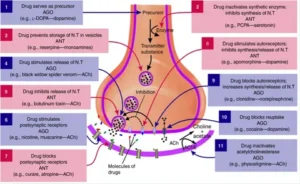
Vitamin D plays a vital role in brain health and emotional regulation. When ultraviolet B (UVB) rays from sunlight hit your skin, they trigger the production of vitamin D — which supports neural growth and neurotransmitter function.
Low levels of vitamin D have been linked to:
-
Depression
-
Anxiety
-
Cognitive decline
-
Seasonal Affective Disorder (SAD)
Why Vitamin D Matters for the Brain
Vitamin D influences the release of dopamine and serotonin, both of which are key to happiness and motivation. People who spend long hours indoors, especially in winter or in cloudy regions, often experience vitamin D deficiency, which may contribute to mood imbalances or fatigue.
A meta-analysis in Journal of Affective Disorders found that people with low vitamin D levels are more likely to experience depression. This is why healthcare professionals often recommend sun exposure or supplementation as part of mental health support.

4. Sunlight Helps Regulate Sleep and Circadian Rhythms
Our bodies have an internal clock known as the circadian rhythm, which controls sleep, hormone release, and mood. Sunlight exposure helps synchronize this rhythm by signaling the brain when to feel awake and when to rest.
When sunlight enters your eyes, it affects the suprachiasmatic nucleus (SCN) in the brain, which manages melatonin production.
-
Morning sunlight helps stop melatonin (the sleep hormone), making you alert and energized.
-
Evening darkness increases melatonin, preparing you for restful sleep.
Mental Health Impact
Poor sleep is strongly linked to anxiety, depression, and irritability. Regular exposure to morning sunlight can improve sleep quality, stabilize mood, and boost daytime energy — reducing stress and emotional exhaustion.
5. Seasonal Affective Disorder (SAD) and Sunlight Deficiency
One of the most studied connections between sunlight and mental health is Seasonal Affective Disorder (SAD) — a type of depression that occurs during the darker months of fall and winter.
People with SAD experience symptoms like:
-
Low mood and fatigue
-
Difficulty concentrating
-
Sleep disturbances
-
Increased cravings for carbohydrates
Why It Happens
During winter, shorter daylight hours lead to less sunlight exposure, lowering serotonin and disrupting circadian rhythms. The result is a biochemical imbalance that causes depressive symptoms.
Light Therapy as a Solution
Doctors often recommend light therapy — using bright artificial lights that mimic natural sunlight — to treat SAD. This therapy helps restore serotonin and melatonin balance, significantly improving mood in just a few weeks.
6. Sunlight Boosts Energy and Motivation
Have you ever noticed how stepping outside into the sunlight instantly makes you feel more awake and refreshed? That’s because sunlight helps stimulate the production of norepinephrine — a neurotransmitter that enhances alertness, focus, and motivation.
Sunlight exposure also helps regulate cortisol, the body’s natural “energy hormone.” Proper morning sunlight can set healthy cortisol levels for the day, preventing mid-day slumps and reducing overall stress.
Daily Benefit
Even 10–20 minutes of morning sunlight can:
-
Improve energy
-
Increase motivation
-
Enhance mental clarity
-
Reduce symptoms of brain fog

7. Sunlight Reduces Stress and Anxiety
When you’re exposed to sunlight, your body releases endorphins — natural mood-lifting chemicals that promote a sense of relaxation and happiness. This process, sometimes called the “solar effect,” helps reduce stress hormones like cortisol.
Being outdoors in nature under natural light combines two mental health boosters: sunlight and environmental therapy. Studies show that people who spend time outside in natural light have lower heart rates, reduced anxiety, and better emotional balance.
Example: The “Green and Light” Effect
A 2022 study published in Frontiers in Psychology showed that individuals exposed to both sunlight and green outdoor environments experienced 50% greater stress reduction than those indoors under artificial lighting.
8. Sunlight Improves Focus and Productivity
Sunlight doesn’t just make you happier — it also makes you smarter and more productive. Exposure to natural light increases the brain’s ability to focus, process information, and stay alert.
Workplaces and schools that incorporate natural lighting see:
-
Better academic performance
-
Fewer absences
-
Higher employee satisfaction
-
Increased productivity
A Harvard study found that office workers exposed to daylight slept longer at night and had higher energy levels and better concentration during the day.
9. Safe Ways to Get the Mental Benefits of Sunlight
While sunlight is beneficial, too much exposure can lead to skin damage from ultraviolet (UV) rays. Here’s how to balance safety with mental health benefits:
a. Aim for 10–30 Minutes Daily
-
Light-skinned individuals: 10–15 minutes several times a week
-
Darker skin tones: 20–30 minutes may be needed for the same vitamin D boost
b. Best Time
Morning sunlight (before 10 AM) or late afternoon (after 4 PM) provides mental benefits with lower UV intensity.
c. Avoid Sunburn
Use sunscreen if you’re outdoors for longer periods and avoid peak UV hours (10 AM to 3 PM).
d. Get Sunlight Through Movement
Go for a walk, do yoga outside, or read by the window — combining sunlight with gentle activity enhances mental well-being.
e. Consider Light Therapy
If you live in regions with long winters, a light therapy lamp can simulate sunlight exposure and provide similar mood-boosting benefits.

10. Combining Sunlight with Mindfulness and Exercise
You can maximize sunlight’s mental health effects by pairing it with mindfulness or light exercise:
-
Morning walk: Combines sunlight, movement, and fresh air to elevate mood.
-
Outdoor meditation: Enhances relaxation and reduces anxiety.
-
Yoga in the park: Boosts endorphins and mental clarity.
These practices leverage sunlight’s natural serotonin boost while promoting physical wellness and emotional balance.
11. The Global Challenge: Lack of Sunlight Exposure
Modern lifestyles have created what some experts call “light deficiency.” With remote work, indoor schooling, and digital entertainment, people now spend up to 90% of their time indoors.
This lack of sunlight has been associated with:
-
Rising rates of depression
-
Poor sleep quality
-
Increased fatigue and anxiety
-
Weaker immune systems
Encouraging daily exposure to natural light — whether through outdoor breaks, open windows, or brighter workspaces — can significantly improve global mental health outcomes.
12. The Future of Sunlight in Mental Health Therapy
Scientists are now exploring how controlled sunlight exposure could be prescribed like medication. Future therapies may combine AI-guided light therapy with personalized vitamin D and circadian rhythm tracking to optimize mental health treatments.
Innovations like smart windows, UV-filtered skylights, and adaptive lighting systems are already being introduced in hospitals, schools, and offices to replicate the benefits of natural sunlight indoors.
The message is clear: the future of mental health will shine brighter — literally.
Conclusion
Sunlight is more than just a source of light and warmth — it’s an essential ingredient for mental and emotional well-being. From boosting serotonin and vitamin D to improving sleep, reducing anxiety, and enhancing focus, the benefits of sunlight on mental health are both scientifically proven and profoundly life-changing.
Incorporating a few minutes of daily sun exposure into your routine can:
-
Lift your mood naturally
-
Improve energy and focus
-
Regulate sleep cycles
-
Decrease stress levels
So the next time you feel low or mentally drained, step outside and let the sunshine do its work.
Because sometimes, the best therapy is just a little light.