Abdul haye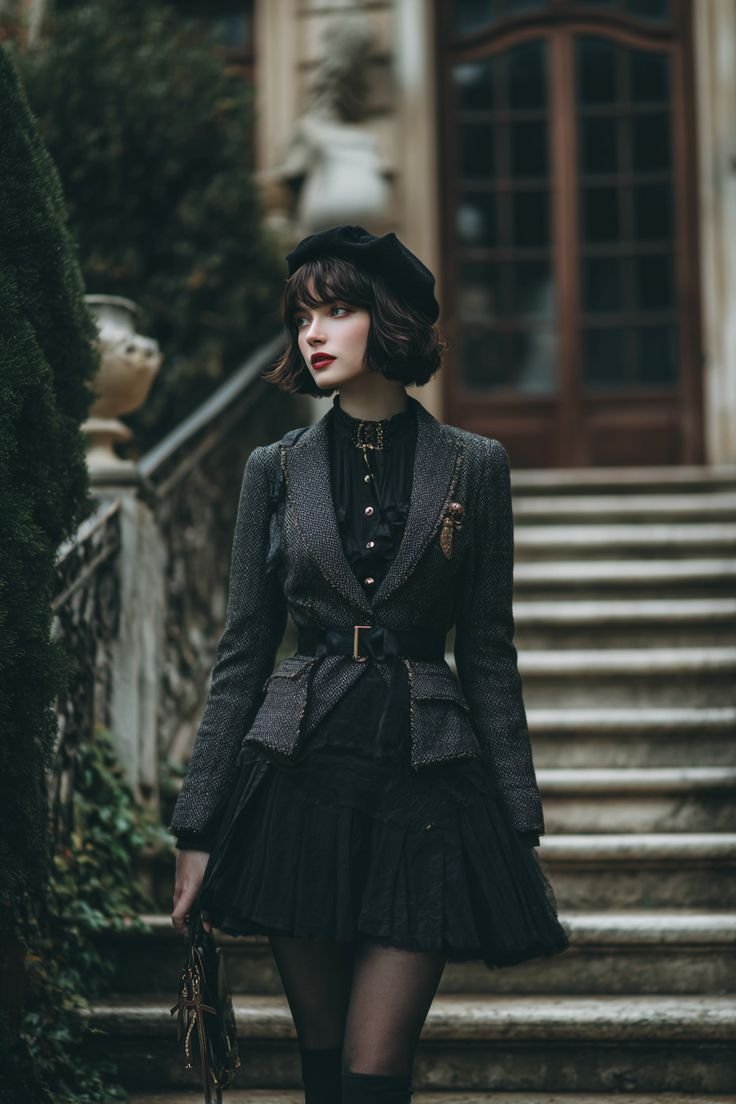
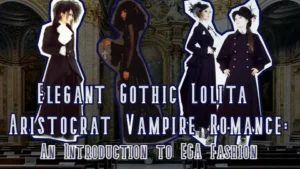
In the layered world of Japanese street fashion, Aristocrat (often specifically Elegant Gothic Aristocrat / EGA) occupies a refined, mature, and dramatic niche. It’s a style that combines gothic sensibilities, Victorian (and sometimes medieval) references, and a strong sense of elegance and androgyny. EGA is less about cuteness or overt doll‑like confection (as seen in many Lolita substyles) and more about the grandeur, formality, and dark romance of aristocratic aesthetics.
Origins & Historical Context
The Birth of EGA
-
Mana, a guitarist and visual icon (originally of the band Malice Mizer, later Moi dix Moi’s), is credited with coining the term Elegant Gothic Aristocrat. He founded Moi-meme‑Moitie, a brand through which he explored and marketed both Elegant Gothic Lolita (EGL) and EGA lines. Wikipedia+3Generasia+3Dvilinspired+3
-
The brand dates back to the late 1990s. As Mana’s stage persona, fashion, and music gained popularity, so did the styles associated with him—both among fans and in broader Japanese alternative fashion circles. Wikipedia on IPFS+3Academic Dictionaries and Encyclopedias+3Wikipedia+3
Evolution & Place in the Fashion Scene
-
EGA emerged alongside Gothic Lolita and other Lolita substyles, but strives to be more mature, more formal, and more androgynous. It’s not quite Lolita in the classic sense (with a strict bell skirt silhouette, heavy bows, cute motifs), although it overlaps in certain visual motifs and luxury of materials. Wikipedia+2Generasia+2
-
The style is also part of the broader Aristocrat fashion in Japan—drawing inspiration from what the Japanese perceive as European aristocracy from the 19th century, old nobility, Victorian mourning/fashion, Neo‑Gothic revival aesthetics. Wikipedia+2Generasia+2
Key Aesthetic Elements & Characteristics
Here are the core features that define Aristocrat / EGA style. These are guidelines rather than strict rules—many people adapt them—but they give the flavor of what distinguishes the style.
| Element | Description & Typical Features |
|---|---|
| Silhouette & Garments | Longer lines are typical. Long skirts or floor‑length dresses, long coats, or capes. Pants (tailored trousers) are also common, especially in the more androgynous or masculine cuts. Corsets or corset‑style bodices may feature, especially in female or feminine coords, but often in a mature, structured way rather than overly decorative. Shirts/blouses often have Victorian or Edwardian touches (ruffled collars, jabots, high collars, sleeves with volume). Wikipedia+2Wikipedia+2 |
| Color Palette | Predominantly dark / muted colours: black is primary. White or cream may appear for contrast. Deep jewel tones (navy, burgundy, dark purples) may also feature, but generally subservient to the overall dark or muted aesthetic. Metallic details (silver, pewter) may be used, but gold or bright colours are used sparingly. Wikipedia+2Generasia+2 |
| Fabric & Texture | Luxurious, heavy or richly textured fabrics are preferred: brocade, velvet, lace, satin, perhaps heavier cotton blends. Matte and semi‑matte surfaces, layered materials, but always with attention to detail. Trim and detailing tend toward embroidery, lace, possibly stitched patterns rather than large printed patterns or playful motifs. Generasia+2Wikipedia+2 |
| Accessories & Ornamentation | Top hats, bowler hats, long coats or capes, cravats, jabots, waistcoats, ornate gloves, canes or walking sticks, parasols. Jewelry tends toward ornate but not flashy; crosses, filigree, small gems, possibly feathers. Footwear often boots—ankle or higher—with formal, perhaps Victorian lace‑ups. Wikipedia+2Generasia+2 |
| Makeup & Hair | Make‑up is often dramatic but elegant: pale or controlled complexion, darker eye makeup (smoky eyes, defined eyeliner), possibly darker lips. Hair might be styled in Victorian inspired updos, curls, sometimes wigs. Androgynous haircuts or neutral styles are also common. Sometimes hair colour matches the dark aesthetic—deep hues. Generasia+2aesthetics.fandom.com+2 |
| Androgyny / Gender Flexibility | One of the defining qualities: many EGA pieces are unisex or gender‑neutral. Men and women can wear similar or identical items; tailoring often allows for masculine fits (trousers, suit‑like jackets) or feminine fits (corsets, skirts) or somewhere between. The style is not constrained by typical gender norms. Wikipedia+2Generasia+2 |
How EGA Differs from Similar Styles
To understand EGA, it helps to compare it to related styles: Gothic Lolita, Classic Lolita, Aristocrat (in general), Ouji / Boystyle, etc.
-
Versus Gothic Lolita (and EGL): Gothic Lolita often retains more of the “Lolita silhouette” (shorter skirts, bigger bows, “cute” embellishments) combined with darker motifs. EGL (Elegant Gothic Lolita), Mana’s line, is part of that. EGA, on the other hand, rejects much of the cutesy, youthful aspects; it emphasizes maturity, formal elegance, longer lines, more reserved ornamentation. Wikipedia+2Generasia+2
-
Versus Classic Lolita: Classic Lolita draws on vintage Western styles, floral prints, softer colours, more feminine lines. EGA is sharper, darker, more structured, more formal, and often more dramatic. Classic might have pastel and romantic softness; EGA tends to avoid those unless subdued and darkened.
-
Versus Ouji / Boystyle / Dandy: Ouji is youthful and princely, sometimes more playful or whimsical. Dandy is formal but may incorporate brighter colours or more flamboyant accessories. EGA is more sober, more elegant, with fewer playful or youth‑oriented touches. It’s closer to Aristocrat fashion, but EGA is Mana’s specific lineage of that arthouse, neo‑Victorian, gothic aristocratic aesthetic. Devilinspired+2Wikipedia+2
Symbolism, Identity & Cultural Meaning
EGA is not only about how one dresses; it carries cultural, artistic, and personal significance for many who wear it.
-
Maturity & Alternative Beauty: For many, EGA represents a shift from youthful aesthetics to something more mature. It’s a way to express elegance and gothic atmosphere without relying on childlike or kawaii visuals. It allows fans of alternative fashion to grow without necessarily leaving the subculture. Wikipedia+1
-
Androgyny & Gender Identity: The style offers space for blurring traditional gender lines in fashion. Those who don’t want to strongly identify as masculine or feminine, or who enjoy mixing, find EGA appealing. It’s expressive, theatrical, yet dignified. Wikipedia+1
-
Historical / Romantic Escape: There is often an element of fantasy or romanticized history: dressing as though part of an imagined aristocratic court, with grand gowns or suits, capes, hats, long skirts or dramatic coats. EGA allows wearers to immerse themselves in this alternate aesthetic. kingscliff design history+1
-
Elegance & Simplicity: Though the style can be ornate, there’s a design philosophy of “restraint within luxury.” Rather than flashy prints or overabundant cute decorations, there’s focus on cut, silhouette, fabric quality, color harmony, craftsmanship. Wikipedia+2Generasia+2
How to Style EGA: A Practical Guide
If you’re interested in trying EGA, here’s how you can assemble a look step by step, with considerations especially if you’re outside Japan or adapting to different climates or budgets.
Step 1: Plan Your Base Pieces
-
Choose one or two garments to anchor the outfit: a long coat, a tailored waistcoat, a dramatic long skirt or pair of trousers. These establish the silhouette.
-
For a female‑leaning coord: a long skirt or floor‑length dress‐style piece. For more masculine or androgynous: trousers, coat, waistcoat.
Step 2: Choose Colours & Fabrics
-
Stick to dark, muted tones. Black is the safest; you can include white or cream for accents; deep jewel tones if you want color but make sure they are dark and harmonious.
-
Pick richer fabrics: velvet, brocade, heavy cotton, wool blends, lace or net overlays. The texture creates depth when color contrast is minimal.
Step 3: Add Accessories & Details
-
Hats or headpieces: top hats, bowler hats, small aristocratic bonnets or veils.
-
Neckwear: cravats, jabots, high collars, ruffled shirt fronts.
-
Outerwear: long coats, capes, cloaks, strutted lapels, high collars.
-
Gloves, walking cane, parasols (especially darker ones) can enhance the aristocratic mood.
Step 4: Footwear & Hosiery
-
Boots are key: Victorian‐style lace‑ups, leather or faux leather, mid or high shaft; sometimes heeled.
-
Stockings, tights, or socks that match the color theme: black, dark grey, or with subtle patterns but in the same palette.
Step 5: Makeup & Hair
-
Makeup: think sharp contrasts. Eyes are focal—smokey or defined eyeliner; lips can be darker (deep reds, burgundy, plum, black if desired). Skin—depending on comfort—can be paler in appearance, or at least clean and even.
-
Hair: either natural but styled (waves, curls, updos), or wigs in rich dark hues or silver/grey/white if going for contrast; possibly accessories like ribbons, lace, veils.
Step 6: Proportion & Fit
-
One of the hardest things is making sure the cut and proportions feel “aristocratic” rather than costume‑y. Long hemlines, proper tailoring, clean lines help.
-
Fit at shoulders, chest (if applicable), waist, and length is important. If you’re buying off‑the‑rack, alteration may help.
Step 7: Theme & Mood Consistency
-
Decide on a mood: somber / mourning, vampiric, romantic gothic, neo‑Victorian, etc. This will guide your accessory and detail choices.
-
Avoid mixing playful cute motifs (like cartoons, candy, etc.) which do not align well with EGA’s formal mood.
Step 8: Practical Adaptations
-
In hot climates: choose breathable fabrics, fewer layers; lighter coats or detached capes instead of heavy overcoats.
-
Budget: second‑hand, tailor‑modifying clothes, DIY accessories can help. Brands like Moi‑meme‑Moi-tie are premium and may be expensive, so for beginners blending “look for less” items is common.
Challenges & Considerations
EGA, for all its elegance, comes with its own set of practical and cultural challenges.
-
Availability & Cost: Original EGA / Moi‑même‑Moitié pieces are expensive and sometimes limited edition. Getting them outside Japan may involve customs, shipping costs, import duties.
-
Size & Fit Issues: Many pieces are made for a Japanese/Asian market; for people with larger body frames, it may require custom tailoring or modifications.
-
Maintenance: Dark fabrics show wear differently; delicate fabrics like lace or velvet need special care. Cleaning (dry cleaning vs hand wash), caring for accessories, etc., all take effort.
-
Recognition & Misunderstanding: In many places outside the Lolita / Visual Kei / alternative fashion scenes, eccentric clothing is misunderstood. Wearing EGA may draw attention (positive or negative). Also, people sometimes confuse it with costume, cosplay, or even mistaken as Lolita, Gothic Lolita, etc.
EGA in the Global & Local Context
How has EGA spread outside Japan? What adaptations have people made? What is its place in modern fashion culture?
-
International Fans & Communities: EGA has fans across Asia, Europe, Americas. Many share cords (coordinate outfits), DIY designs, group buys. Scenes often form around Visual Kei, alternative fashion, gothic fashion. Generasia+1
-
Local Adaptations: In warmer climates, pieces may be lightened; coats shortened; layers reduced. Materials more readily available locally are used. Accessories may be home‑made or adjusted.
-
Brands & Alternatives: Some alternative brands besides Moi‑meme‑Moi-tie produce pieces with EGA influence or “gothic aristocrat” lines. Some fans mix and match pieces from gothic clothing, vintage, steampunk, aristocratic historical costume, etc.
Symbolism & Philosophy
Why do people gravitate toward EGA? What does wearing this style express, beyond aesthetics?
-
Rejection of mainstream expectations: Aristocrat / EGA offers a way to stand apart from mass fashion. Its elegance, formality, and theatricality contrast with casual, fast‑fashion norms.
-
Fantasy, romance, nostalgia: The style allows people to tap into romanticized historical or gothic narratives (nobility, old mansions, cemeteries, velvets, candlelight). It’s aesthetic escapism in a way.
-
Artistry & craftsmanship appreciation: Because the style values quality of fabric, tailoring, design details, many wearers enjoy the creative or maker side: sewing, customizing, sourcing unique pieces.
Examples & Inspirational Coords
To make this more concrete, here are some “imagined” illustrative outfits (coords) and themes that show what EGA looks like in real life.
-
Classic EGA Courtier: Long tailcoat in deep black velvet, high collar white shirt with ruffled jabot, tapered trousers, knee‑high lace‑up Victorian boots, top hat, gloves, cane. Jewelry is subdued—silver rings, brooch at lapel.
-
Gothic Mourning Aristocrat: Floor‑length dress or skirt + overskirt in black, lace veil or capelet, black gloves, darker makeup (deep red lip, smoky eye), jewellery with dark gems, maybe a parasol with lace.
-
Vampiric Aristocrat / Romantic Goth: Rich fabrics (velvet, silk), lace cuffs, rich gem accents (deep blood red), possibly brooches in red/black, high collar coat, swept back or long wavy hair, dramatic neckline, accessory like a cameo or cross.
-
Steampunk Aristocrat Hybrid: Tailored waistcoat, pocket watch, steampunk goggles or gears as accessory, long skirt or trousers, leather gloves, boots; incorporate brass or bronze but keep colour palette dark and elegant.
-
Shiro / White‑accent EGA: Mostly black or dark garments but accentuated with white details—lace collars, cuffs, or a white cravat; or an entirely white EGA look (if comfortable)—white blouse, trousers, coat, gloves, and minimal jewelled details.
Modern Trends & Future of EGA
What’s happening with EGA now, how is it evolving, what might its future hold?
-
Social Media & Visual Influence: Instagram, TikTok, Pinterest are full of Aristocrat / EGA coord inspiration. People share “daily” or event outfits, tutorials for makeup, hair, crafting accessories. Visual content helps shape what is “trendy” in EGA.
-
Fusion Styles: Some wearers blend EGA with Steampunk, Dark Academia, Witch / Occult aesthetics.
-
More Accessibility: As interest grows globally, there are more “affordable” brands or second hand markets offering EGA‑like pieces. Local makers sometimes start producing aristocrat fashion items.
-
Sustainability & DIY: Fans sometimes repurpose vintage clothing, tailor classic antique items, or do upcycling—to fit the long lines, heavy fabrics, coats, boots of EGA—while keeping cost and environmental impact lower.
Conclusion
Elegant Gothic Aristocrat / EGA is more than a “style” in fashion: it’s a statement, a mood, a way to channel elegance, history, fantasy, and identity all in one. It asks its wearers to move beyond cute or youthful aesthetics, to embrace structure, drama, and maturity with grace. For those drawn to dark romance, old‑world elegance, and a fashion that feels both theatrical and dignified, EGA offers a powerful avenue.
If you decide to explore EGA—start by gathering inspiration (coords you love), build a base garment or two, think about silhouette and materials, then slowly add accessories and details. And importantly, make it your own—because what makes styles like EGA so compelling is the personal twist each wearer gives to that shared aesthetic.