Abdul haye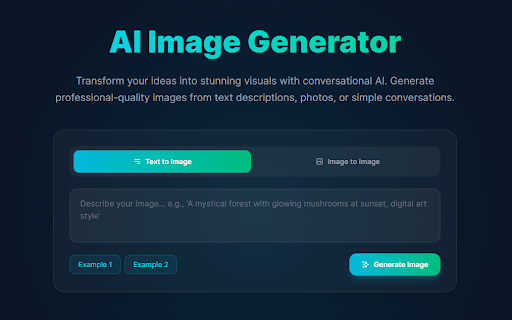
Artificial intelligence has revolutionized the way we create visuals, making AI image generator one of the most powerful tools for artists, designers, and creators. An AI image generator is a platform that uses advanced AI algorithms to produce digital images based on user prompts. By simply describing what you want in words, you can create stunning illustrations, realistic photos, concept art, and even abstract visuals.
What Is an AI Image Generator?
An AI image generator is a software tool powered by machine learning and generative AI models, such as diffusion models or GANs (Generative Adversarial Networks). Users provide a text description, upload a reference image, or select a style, and the AI translates these inputs into unique, high-quality images. Unlike traditional design software, no prior artistic skill is required—the AI handles all the technical and creative processes.
How AI Image Generators Work
AI image generators work by analyzing text prompts and combining them with a trained dataset of images to generate new visuals. Advanced models understand concepts like style, lighting, perspective, and composition, allowing them to produce coherent, visually appealing images. Some AI generators also support:
- Style transfer – Apply artistic styles from one image to another.
- Inpainting – Edit or fill missing parts of an image.
- Upscaling – Improve image resolution without losing quality.
- Face swap & character adaptation – Replace or transform faces while keeping them realistic.
Benefits of Using AI Image Generators
- Speed: Create professional-quality visuals in seconds.
- Accessibility: No artistic training needed; AI handles all technical aspects.
- Cost-Effective: Eliminates the need for expensive designers for concept art or graphics.
- Endless Creativity: Explore multiple ideas, styles, and compositions instantly.
- Versatility: Suitable for artists, content creators, marketers, and businesses alike.
Applications of AI Image Generators
- Graphic Design: Social media visuals, logos, posters, and ads.
- Entertainment & Gaming: Character design, concept art, and environment visuals.
- Marketing & Branding: Product images, promotional content, and digital campaigns.
- Education: Illustrations for teaching materials or presentations.
- Personal Projects: Custom avatars, artistic creations, or unique wallpapers.
Text to Image Generator: Turning Words into Visual Art with AI
In the era of artificial intelligence, text to image generator have emerged as powerful tools that transform written descriptions into high-quality digital visuals. By simply typing what you want to see, these AI platforms can create illustrations, realistic images, concept art, and even imaginative abstract designs. This technology is revolutionizing how artists, designers, and content creators bring ideas to life.
What Is a Text to Image Generator?
A text to image generator is an AI system that converts textual input into images. Using advanced machine learning models, such as diffusion models or Generative Adversarial Networks (GANs), these tools analyze the user’s prompt and generate corresponding visuals. Users do not need any design or technical skills—the AI handles all creative and technical processes.
How Text to Image Generators Work
Text to image generators work by interpreting the user’s description, then mapping it onto a visual representation based on training from vast datasets of images and text. Some generators allow additional input such as style preferences, reference images, or color schemes. The general workflow includes:
- Input Prompt: Describe what you want to see in words.
- AI Interpretation: The system processes the text, understanding objects, scenes, and context.
- Image Generation: The AI produces one or multiple visuals based on the prompt.
- Refinement (Optional): Users can adjust prompts or settings for better results.
Advanced text to image generators may also include features like inpainting (editing parts of an image), upscaling (increasing resolution), and style transfer.
The Future of Text to Image Generators
Future text to image tools will likely integrate motion, AI video, and interactive elements, allowing images to evolve into animated or immersive experiences. Enhanced realism, higher resolution, and multi-modal capabilities will make these generators an essential tool for creative workflows.
Conclusion
A text to image generator allows anyone to transform written ideas into visual reality quickly and efficiently. By combining natural language processing with advanced AI models, these tools empower users to create professional-level visuals for art, marketing, education, or personal projects. As technology advances, text to image generation will continue to expand the boundaries of creativity, making visual storytelling more accessible than ever.