Abdul haye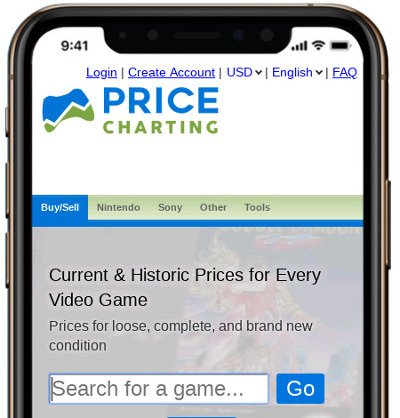
In the world of video games, trading cards, and collectibles, knowing the market value of your items is essential, whether you’re a collector, reseller, or casual buyer. This is where PriceCharting comes in—a specialized online platform designed to track, analyze, and display current and historical prices for video games, consoles, trading cards, and other collectibles. This comprehensive article explores PriceCharting’s features, benefits, history, and why it’s become an indispensable resource for enthusiasts and professionals alike.
What is PriceCharting?
PriceCharting, also known as Video Game Price Charts, is a website that aggregates and displays price data for a vast range of video games, gaming hardware, trading cards (such as Pokémon, Magic: The Gathering, and Yu-Gi-Oh!), and other collectibles. The site collects data from major online marketplaces like eBay, Amazon, and dedicated retailers to provide up-to-date, accurate pricing information. Users can search for individual items to see their current market value, historical pricing trends, and even compare prices across different conditions (new, complete-in-box, loose, etc.).
History and Evolution of PriceCharting
Founded in 2007, PriceCharting began as a simple tool for tracking the prices of video games. As the gaming and collectibles markets grew—and as retro games and trading cards became more popular—the site expanded its database and analytical tools. Today, PriceCharting covers thousands of games across dozens of platforms, from classic NES and Sega Genesis titles to modern PlayStation, Xbox, and Nintendo Switch releases. The site has also broadened to include trading cards, comic books, and even some toys and action figures.
How PriceCharting Works
PriceCharting’s core function is to provide transparent, real-time pricing data. Here’s how it works:
- Data Aggregation: The site pulls sales data from eBay, Amazon, and other marketplaces, analyzing completed sales to determine average prices.
- Condition Tracking: Users can view prices for various item conditions—loose (cartridge/disc only), complete-in-box (CIB), and factory-sealed (new)—to ensure accurate comparisons.
- Historical Charts: PriceCharting displays historical price graphs, showing how an item’s value has changed over time. This feature is invaluable for collectors and investors seeking to identify trends or time their purchases.
- Collection Management: Registered users can create personal collections, track their portfolio’s value, and get alerts about price changes or rare items.
- Price Comparison Tools: The site offers comparison tools to help users find the best deals across different platforms and sellers.
Key Features of PriceCharting
- Extensive Database: PriceCharting supports thousands of games for platforms ranging from Atari and NES to PlayStation 5 and Xbox Series X, as well as a vast selection of trading cards and comics.
- Easy Search and Filtering: The user-friendly interface allows users to search for titles, filter by console or card series, and sort by price, rarity, or recent sales.
- Price Guides and Checklists: Comprehensive guides and checklists help collectors identify missing items, complete their sets, and spot valuable editions.
- Grading and Condition Guides: PriceCharting explains how item condition affects value, with detailed descriptions and example images.
- Mobile Compatibility: The site is optimized for mobile devices, making it easy to look up prices on the go—at conventions, trade shows, or local game stores.
- API Access: For developers and advanced users, PriceCharting offers API access for integrating price data into custom applications or inventory systems.
Why PriceCharting Matters for Collectors and Sellers
- Transparency: PriceCharting demystifies the sometimes confusing world of collectibles pricing by providing transparent, data-driven values.
- Avoiding Overpaying or Undervaluing: Buyers can ensure they’re not overpaying for a game or card, while sellers can price their items competitively based on real market data.
- Investment Insights: With historical charts, users can spot trends, track appreciation or depreciation, and make informed decisions about buying, selling, or holding assets.
- Authenticity Checks: While PriceCharting can’t guarantee authenticity, it helps users spot suspiciously low or high prices, which may indicate counterfeits or rare variants.
- Portfolio Tracking: Collectors can track their entire collection’s value, set alerts for key price movements, and plan trades or sales accordingly.
Popular Categories and Supported Platforms
PriceCharting’s database is organized by category and platform, making it easy to find pricing information for:
- Video games (NES, SNES, N64, GameCube, PlayStation, Xbox, Sega, handhelds, and more)
- Gaming consoles and accessories
- Trading cards (Pokémon, Magic: The Gathering, Yu-Gi-Oh!, and others)
- Comic books
- Select toys and action figures
Pricing data is updated regularly, ensuring users have access to the most current market information.
How to Use PriceCharting Effectively
- Searching for an Item: Enter the title or product code into the search bar to find a specific game, card, or collectible.
- Analyzing Price Trends: Use the historical price chart to see how values have changed over weeks, months, or years.
- Managing Your Collection: Register for a free account to add items to your collection, receive value updates, and get notifications about price shifts or rare finds.
- Selling or Buying: Check the current price before listing an item for sale or making a purchase to ensure you’re getting a fair deal.
- Using the Mobile Site: PriceCharting’s mobile-friendly interface makes on-the-spot pricing checks easy at flea markets, game shops, or conventions.
PriceCharting for Professionals
Beyond individual collectors, PriceCharting is valuable for game shop owners, resellers, and inventory managers. The platform’s data helps businesses set competitive prices, identify valuable inventory, and make informed purchasing decisions. Bulk collection tools and API access further streamline inventory management and pricing updates.
Community and Support
PriceCharting maintains an active blog and social media presence, sharing updates on market trends, new platform support, and collecting tips. The site’s support team is responsive to user queries and suggestions, continually refining the database and tools based on community feedback.
PriceCharting Alternatives and Limitations
While PriceCharting is a leader in collectibles pricing, users should be aware of its limitations. Not every sale is captured, and rare items with few recent sales may have less accurate prices. It’s wise to cross-check high-value items with other sources, such as auction house results, specialty forums, or direct marketplace listings. Alternatives to PriceCharting include GameValueNow and TCGPlayer (for trading cards), but PriceCharting’s breadth and history make it a go-to resource for most collectors.
Conclusion
PriceCharting has revolutionized the way collectors, sellers, and buyers track the value of video games, trading cards, and collectibles. By providing transparent, up-to-date pricing data, historical trends, and collection management tools, the platform empowers users to make informed decisions and maximize the value of their collections. Whether you’re a retro game enthusiast, a card collector, or a professional reseller, PriceCharting is an essential resource in today’s dynamic collectibles market.