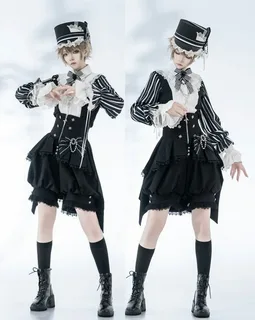
Introduction to Fast Fashion
Fast fashion has become one of the most powerful forces shaping the global clothing industry. It refers to cheap, trendy clothing that moves quickly from the runway to retail stores to meet consumer demand. At first glance, fast fashion seems like a blessing—stylish clothes at affordable prices. But behind the glossy marketing lies a darker truth: exploitation, environmental destruction, and unsustainable consumer habits.
What is Fast Fashion?
Fast fashion is a business model that produces inexpensive clothing at breakneck speed, designed to capture the latest fashion trends. Instead of seasonal releases, brands churn out new collections weekly or even daily. This constant cycle fuels consumer desire for novelty, but it also creates mountains of waste.
The Origins and Evolution of Fast Fashion
In the past, clothing was built to last. Fashion cycles were slow, and garments were often handmade or tailored. The 1990s saw the rise of global retail giants such as Zara, H&M, and Forever 21, which pioneered the fast fashion model. By outsourcing production to countries with low labor costs, these companies slashed expenses and flooded markets with cheap clothing.
Characteristics of Fast Fashion
Fast fashion thrives on three core principles: affordability, speed, and disposability.
-
Low-Cost Production and Pricing: Clothing is manufactured in bulk, often in countries where wages are low.
-
Rapid Trend Cycles and Mass Consumption: Instead of waiting months for new styles, consumers now expect weekly drops.
-
Disposable Clothing Culture: Outfits are often worn only once before being discarded, contributing to an endless cycle of waste.
The Environmental Impact of Fast Fashion
The environmental footprint of fast fashion is staggering. According to the United Nations, the fashion industry accounts for 10% of global carbon emissions and is the second-largest consumer of water worldwide.
-
Textile Waste and Landfill Overflow: Each year, millions of tons of clothing end up in landfills. Synthetic fabrics like polyester take hundreds of years to decompose.
-
Water Usage and Pollution: Producing one cotton shirt requires about 2,700 liters of water—enough for one person to drink for 2.5 years. Dyeing processes also release toxic chemicals into rivers.
-
Carbon Footprint of Clothing Production: From raw material extraction to shipping garments worldwide, fast fashion contributes heavily to greenhouse gas emissions.
Social and Ethical Concerns
Fast fashion doesn’t just harm the planet—it exploits people too.
-
Exploitation of Garment Workers: Workers, primarily in developing nations, are often paid below living wages.
-
Unsafe Working Conditions: Factories may lack safety standards, leading to tragedies like the 2013 Rana Plaza collapse in Bangladesh, which killed over 1,100 workers.
-
Child Labor and Wage Inequality: Reports continue to surface of child labor in supply chains, highlighting deep ethical concerns.
Fast Fashion vs. Sustainable Fashion
The contrast between these two models is stark:
-
Fast Fashion: Low cost, rapid production, high waste.
-
Sustainable Fashion: Fair wages, eco-friendly materials, slower cycles.
The slow fashion movement encourages mindful consumption, valuing quality over quantity. Sustainable fashion also uplifts communities by supporting fair trade practices.
The Role of Consumers in Fast Fashion
Consumers play a massive role in fueling fast fashion. Many are drawn in by low prices, social media trends, and the desire for instant gratification. However, as awareness grows, people are starting to rethink their habits.
-
Why People Buy Fast Fashion: Affordability and accessibility are major factors.
-
Consumer Awareness and Education: Documentaries, news reports, and social media have shed light on the industry’s hidden costs.
-
Shifting Mindsets Toward Ethical Shopping: Increasingly, consumers are investing in timeless pieces, thrift shopping, or choosing brands with transparent supply chains.
Government and Industry Regulations
Governments and NGOs are stepping in to address the crisis. For example, the EU Strategy for Sustainable Textiles aims to ensure that by 2030, all textiles are durable, recyclable, and produced responsibly. Many brands are also adopting corporate responsibility policies to reduce waste and emissions.
Practical Alternatives to Fast Fashion
Fortunately, consumers don’t have to feel powerless. Here are some practical options:
-
Thrifting and Second-Hand Shopping: Buying pre-loved clothing reduces demand for new production.
-
Clothing Rentals and Sharing Economy: Platforms now allow you to rent outfits for special occasions, reducing one-time purchases.
-
DIY Fashion and Upcycling: Creative repurposing of old clothes can give garments a new life.
The Future of Fashion
The future holds promise for a more sustainable industry.
-
Technological Innovations in Sustainable Fashion: Bio-fabricated leather, plant-based textiles, and AI-driven production are revolutionizing clothing design.
-
Circular Fashion Economy: Recycling, reusing, and remanufacturing garments will reduce waste.
-
Predictions for the Next Decade: By 2035, sustainable fashion could become mainstream, with fast fashion losing its dominance.
Frequently Asked Questions (FAQs)
Q1: Why is fast fashion harmful?
Fast fashion is harmful because it depletes natural resources, pollutes the environment, and exploits garment workers.
Q2: Is fast fashion dying?
While still popular, fast fashion is under pressure from consumer awareness and new sustainability regulations.
Q3: How can I avoid supporting fast fashion?
Shop second-hand, choose sustainable brands, and buy fewer but better-quality clothes.
Q4: Which brands are considered fast fashion?
Popular fast fashion brands include Zara, H&M, Shein, Forever 21, and Fashion Nova.
Q5: What is slow fashion?
Slow fashion emphasizes quality, durability, fair labor practices, and environmental sustainability.
Q6: Can fast fashion ever be sustainable?
It’s unlikely to be fully sustainable, but companies can adopt eco-friendly practices to reduce harm.
Conclusion
Fast fashion is more than just a clothing trend—it’s a global issue with environmental, social, and ethical consequences. Yet, with consumer awareness, regulatory changes, and innovative alternatives, we can move toward a future where fashion is not just about looking good but also about doing good.