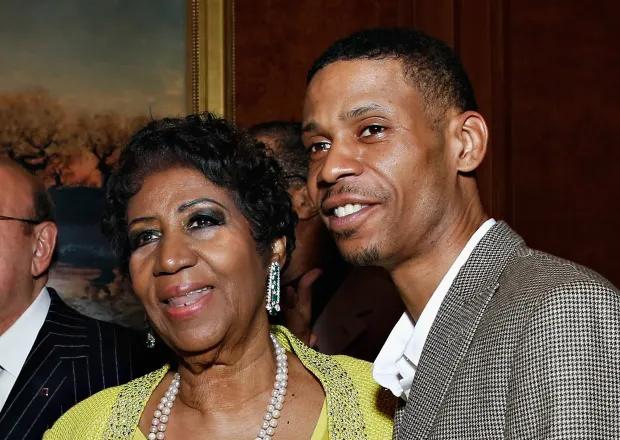
Kecalf Cunningham’s name has increasingly surfaced in public conversations, especially among fans of soul, gospel, and hip-hop. As the son of the legendary Aretha Franklin, one of the greatest vocalists in music history, Kecalf carries a legacy that few could ever imagine. His life story, however, is not simply defined by lineage. Instead, it’s a blend of personal faith, artistic exploration, family loyalty, and a deep reverence for music. Born into fame but determined to build his own identity, Kecalf has carved a space for himself that reflects both where he comes from and who he strives to be.
Known primarily as a Christian rapper, Kecalf Cunningham brings a completely different sound and message compared to the iconic soul music his mother delivered. While Aretha uplifted audiences with her powerhouse vocals and emotionally rich storytelling, Kecalf focuses on faith-driven lyrics and spiritual guidance through hip-hop. Yet, despite their stylistic differences, the emotional honesty and raw passion that defined Aretha’s music can also be found in Kecalf’s work.
His story is more than just music; it’s also about the challenges of being part of a world-famous family, navigating public attention, and finding purpose beyond fame. From early childhood memories to the complicated handling of Aretha Franklin’s estate, Kecalf’s journey is filled with emotional layers that reveal much more than the headlines often portray. Understanding who he is means looking deeper—beyond the spotlight and into the heart of an artist shaped by legendary roots and personal faith.
Early Life and Family Background
Kecalf Cunningham was born on March 28, 1970, to Aretha Franklin. His arrival marked an important chapter in Aretha’s life, as Ken Cunningham was one of the few long-term romantic partners in her journey. Although Aretha’s career was rising rapidly during Kecalf’s early years, she still remained a devoted mother who made sure her children understood the value of faith, discipline, and humility.
Growing up in Detroit, a city rich with musical history, Kecalf was surrounded by creativity, gospel traditions, and the cultural energy of Motown. Music wasn’t just entertainment in his household—it was a way of life. He experienced firsthand the power of vocal artistry, the dedication required for performance, and the spiritual influence gospel music had on the Franklin family. Even though he did not pursue soul or R&B like his mother, the environment helped shape his appreciation for rhythm, lyrical expression, and storytelling.
Because of Aretha’s demanding schedule, Kecalf spent time with extended family members, close friends, and trusted caretakers. This gave him a grounded upbringing despite the fame surrounding him. His early life was not without challenges, but it helped mold him into someone who values family connections deeply. These experiences later influenced his music, which often emphasizes spiritual growth, gratitude, and resilience.
Growing Up as Aretha Franklin’s Son
Being the child of a global music icon comes with unique pressures. For Kecalf, growing up as Aretha Franklin’s son meant balancing normal childhood experiences with the unusual reality of living alongside fame. Cameras, interviews, and public appearances were common parts of his environment. Yet Aretha was intentional in shielding her children from excessive attention. She desired a sense of normalcy for them, even when the world treated her like royalty.
For Kecalf, watching his mother perform was both inspiring and humbling. Her rehearsals, church performances, and studio sessions showed him the discipline behind artistry. But while many may assume that Aretha expected her children to follow her path, she never forced music onto them. Instead, she encouraged individuality and personal calling.
The weight of being connected to a legendary musician affected Kecalf differently at different stages of life. As a child, it meant admiration and curiosity. As a young adult, it meant expectations to live up to a legacy. And later, as an artist, it became a motivating force that pushed him to be authentic rather than imitative.
Kecalf Cunningham’s Relationship With His Mother
Kecalf shared a close relationship with his mother, often described as warm, respectful, and deeply spiritual. Aretha was known publicly for her strong personality, but privately she was nurturing, humorous, and deeply protective of her family. Those who knew them say that Kecalf inherited her gentle spirit and her strong moral grounding.
Their connection was strengthened through faith. Aretha’s gospel roots shaped her spiritual life, and she instilled the same values in Kecalf from a young age. Even when they disagreed—which all families do—their bond remained strong. Kecalf frequently credits his mother with teaching him how to navigate life’s challenges through prayer, resilience, and discipline.
In the later years of Aretha’s life, Kecalf became more involved in helping manage personal and family matters. He remained deeply committed to supporting her and preserving her legacy. The emotional weight of her passing in 2018 was heavy on him, as it was on the entire Franklin family. Yet it also sparked a deeper sense of responsibility—one that has shaped much of his public presence since.
Entering the Music World
Kecalf’s entry into the music world happened gradually. His love of writing and expression naturally led him toward hip-hop, a genre that allowed him to combine storytelling, poetry, and personal testimony. Unlike many children of musical icons, he did not rely on his family name to launch his career. Instead, he performed in churches, small venues, and community gatherings—allowing his message to speak for itself.
His music emphasizes faith, redemption, and spiritual awareness. Rather than chasing commercial trends, Kecalf remained committed to using hip-hop as a tool for inspiration. This has earned him loyal supporters who appreciate authenticity over hype.
Musical Style and Artistic Identity
Kecalf Cunningham’s music leans heavily toward spiritual hip-hop, combining rhythmic flow with faith-filled lyrics. His sound is often stripped down, allowing the message to take center stage. Many listeners describe his style as reflective, encouraging, and grounded in moral storytelling. While he does not chase mainstream fame, he has developed a clear artistic identity that resonates with those seeking positive, faith-driven music.
He draws inspiration from scripture, personal experiences, and the life lessons passed down from his mother. Yet he remains unapologetically himself, proving that authenticity resonates even without large-scale commercial backing.
Conclusion
Kecalf Cunningham’s story is not defined solely by the fact that he is Aretha Franklin’s son—it is shaped by his personal choices, his spiritual grounding, and his dedication to authentic expression. He represents the quiet strength behind a legendary family and the power of forging one’s own path. Through faith, music, and purpose, he continues to honor his mother’s legacy while building one uniquely his own.