In the past decade, esports has transformed from a small community of passionate gamers into a global phenomenon worth billions of dollars. What was once a niche hobby has now become a professional, highly competitive industry—complete with international tournaments, massive audiences, sponsorships, and professional players earning six or even seven figures a year.
If you’ve ever wondered what esports really is, how it works, and how you can get started, this guide is for you. Whether you’re a curious newcomer, an aspiring gamer, or just a fan looking to understand the hype, this Beginner’s Guide to Esports will help you navigate the fast-paced world of competitive gaming.

🎮 What Are Esports?
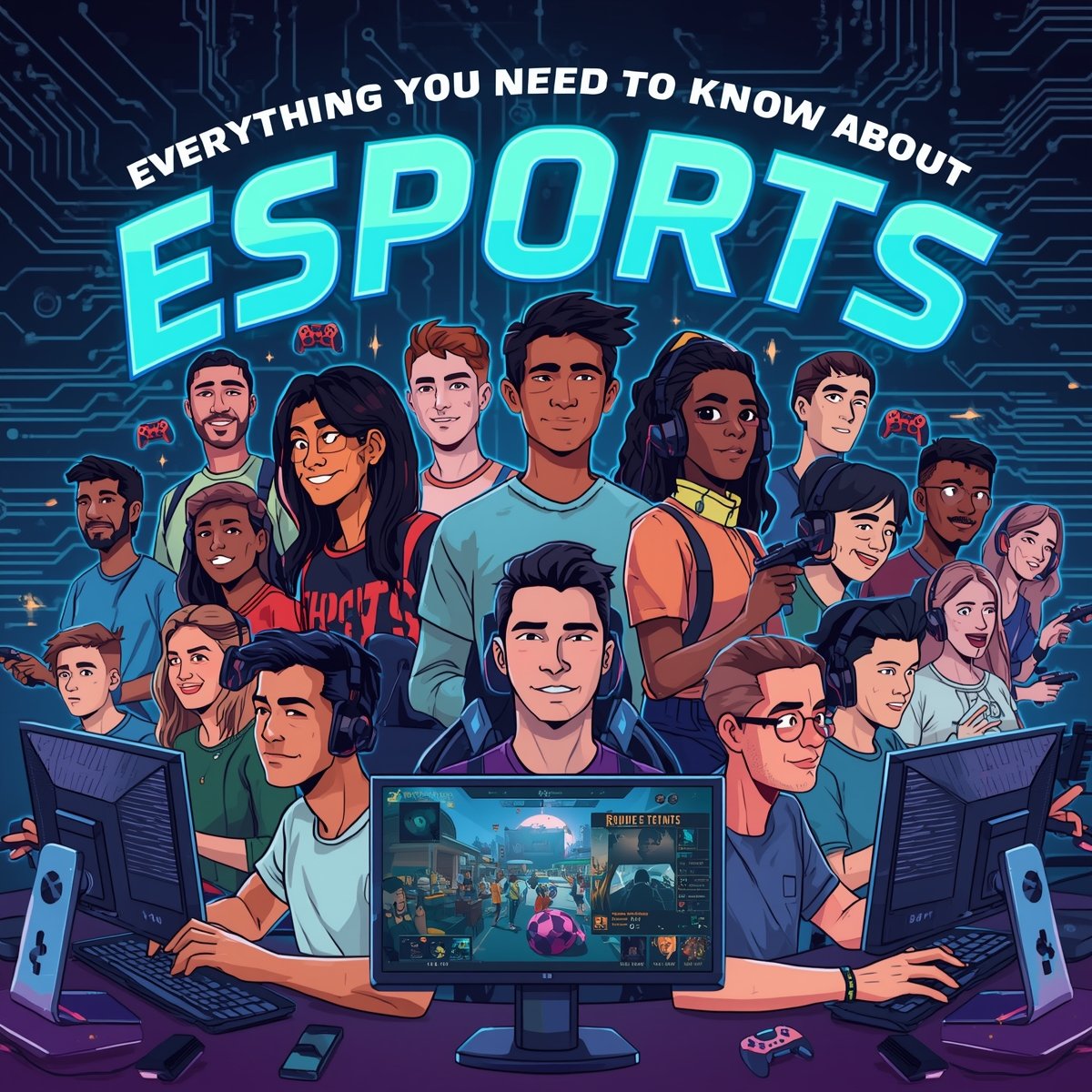
Esports (short for “electronic sports”) refers to organized, competitive video gaming. It involves professional players or teams competing in popular video games across genres like shooters, strategy games, sports simulations, and multiplayer battle arenas.
Esports tournaments can be small local events or massive international competitions streamed to millions of viewers worldwide. Some of the biggest titles in esports include:
-
League of Legends (LoL)
-
Dota 2
-
Counter-Strike 2 (CS2)
-
Valorant
-
Call of Duty
-
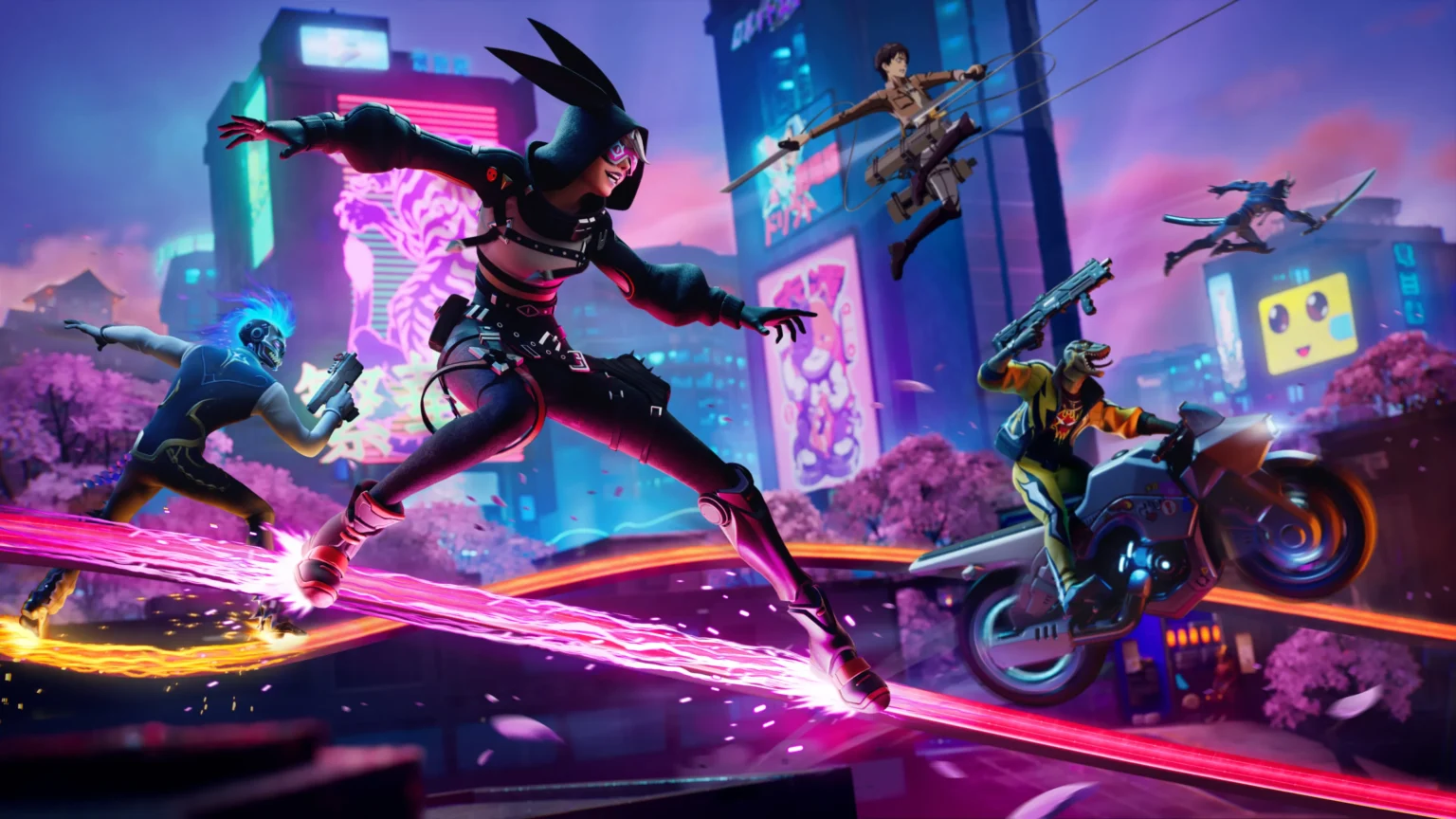
Fortnite
-
Overwatch 2
-
Rocket League
-
PUBG
-
Mobile Legends: Bang Bang
These games feature complex mechanics, teamwork, and strategies—making them as skill-intensive and exciting as traditional sports like basketball or football.
🕹️ The History and Evolution of Esports
The concept of competitive gaming isn’t new. The first known video game competition took place in 1972 at Stanford University for the game Spacewar!. The prize? A year’s subscription to Rolling Stone magazine.
In the 1980s and 1990s, gaming competitions grew in popularity thanks to arcade games like Street Fighter and Pac-Man. The rise of home consoles and the internet in the 2000s paved the way for online gaming and global tournaments.
However, it was in the 2010s that esports truly exploded—with live streaming platforms like Twitch and YouTube Gaming allowing millions to watch events in real time. Games like League of Legends, Dota 2, and Fortnite transformed competitive gaming into a mainstream entertainment industry.
Today, esports draws over 500 million viewers annually, rivaling traditional sports audiences. Prize pools often reach tens of millions of dollars, and professional players enjoy celebrity status in the gaming community.
🧠 Why Esports Matters
Esports is more than just playing video games—it’s about teamwork, strategy, discipline, and innovation. Here’s why it has become such a powerful force worldwide:
1. Global Accessibility
Anyone with a gaming device and internet connection can compete or watch. This accessibility breaks barriers—allowing people from all backgrounds to participate.
2. Career Opportunities
Esports isn’t only about playing; it’s an entire ecosystem. Careers include:
-
Professional player
-
Coach or analyst
-
Caster/commentator
-
Event organizer
-
Streamer/content creator
-
Marketing and sponsorship manager
3. Massive Growth and Revenue
The global esports market is projected to surpass $2 billion by 2025, driven by advertising, media rights, and sponsorship deals.
4. Community and Culture
Esports brings people together across borders, languages, and platforms. Fans form communities, cheer for teams, and engage like traditional sports fans.
🧩 Understanding Esports Genres
Esports spans a variety of game genres, each requiring different skills and strategies. Here are the most popular types:
1. MOBA (Multiplayer Online Battle Arena)
Examples: League of Legends, Dota 2, Mobile Legends
Teams of five compete to destroy the opposing team’s base while defending their own. MOBAs require strategy, coordination, and quick reflexes.
2. FPS (First-Person Shooter)
Examples: Counter-Strike 2, Valorant, Call of Duty, Overwatch 2
FPS games test accuracy, reflexes, and tactical teamwork in fast-paced shooting environments.
3. Battle Royale
Examples: Fortnite, PUBG, Apex Legends
Players or teams compete in large-scale maps to be the last one standing—a mix of survival, strategy, and combat.
4. Sports Simulations
Examples: FIFA, NBA 2K, Rocket League
Digital versions of traditional sports—offering familiar rules but virtual execution.
5. RTS (Real-Time Strategy)
Examples: StarCraft II, Age of Empires IV
Players gather resources, build armies, and strategize in real time to defeat opponents.
6. Fighting Games
Examples: Tekken, Street Fighter, Super Smash Bros.
One-on-one duels emphasizing timing, skill combos, and mental focus.

🏆 The Biggest Esports Tournaments and Leagues
Some esports events attract viewership comparable to major traditional sports championships. Here are a few of the most iconic:
-
The International (Dota 2) – Known for its record-breaking prize pools, often exceeding $30 million.
-
League of Legends World Championship – A global event that draws millions of live viewers every year.
-
Fortnite World Cup – Offers massive prizes for both solo and duo players.
-
Valorant Champions Tour (VCT) – Riot Games’ global esports circuit for Valorant.
-
CS2 Majors – Premier tournaments in the Counter-Strike scene, filled with legendary teams.
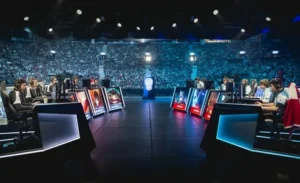
These events are streamed worldwide and fill stadiums with enthusiastic fans, complete with lights, commentary, and dramatic gameplay.
🧑💻 How to Get Started in Esports
If you’re new to esports, it’s easy to feel overwhelmed. But getting started doesn’t require expensive gear or professional-level skill. Here’s a step-by-step roadmap for beginners:
1. Choose Your Game
Pick a game that genuinely interests you and has a strong esports community. Start by watching professional matches on Twitch or YouTube to understand gameplay styles.
2. Learn the Basics
Master the core mechanics, rules, and maps. Study professional players’ strategies, practice regularly, and focus on improving one skill at a time.
3. Join Online Communities
Reddit, Discord, and gaming forums are great places to meet players, find teams, and stay updated on tournaments.
4. Play Ranked Matches
Once you’re comfortable, test your skills in ranked or competitive modes. These matches help improve your tactics and teamwork under pressure.
5. Enter Amateur Tournaments
Start small — join local or online events. Platforms like Battlefy, Faceit, and ESL Play host beginner-friendly competitions.
6. Watch and Learn
Follow professional players and streamers. Observing how they move, aim, and communicate can dramatically improve your performance.
7. Invest in Good Gear
While skill matters most, good hardware helps. A reliable gaming mouse, mechanical keyboard, and monitor with high refresh rate can make a noticeable difference.
8. Network and Stay Consistent
Connect with others who share your passion. The more involved you are, the more likely you’ll discover new opportunities—whether as a player or in other esports roles.

📺 Watching Esports: Where to Begin
Even if you’re not a gamer, watching esports is an exciting experience. The energy, crowd reactions, and live commentary rival that of traditional sports.
Popular platforms include:
-
Twitch.tv
-
YouTube Gaming
-
Kick
-
Facebook Gaming
Most major tournaments offer free live streams, complete with professional commentary and instant replays. You can support your favorite teams, collect digital rewards, and engage with global fans in chatrooms.
💰 How Do Esports Players Make Money?
Professional esports players earn income from multiple sources:
-
Tournament Winnings – Top players and teams share multi-million-dollar prize pools.
-
Sponsorships – Brands like Red Bull, Logitech, and Intel sponsor teams and players.
-
Streaming & Content Creation – Many pros stream on Twitch or YouTube for additional income.
-
Merchandising – Teams often sell branded jerseys, accessories, and collectibles.
-
Coaching & Consulting – Experienced players can mentor upcoming talent or advise teams.
For example, players like Faker (League of Legends) and s1mple (Counter-Strike) have built global recognition, earning millions through their careers.
🧬 The Role of Technology in Esports
Esports relies heavily on technology — and constant innovation keeps it evolving. Key technologies include:
-
AI and Data Analytics – Used for performance tracking, player stats, and strategy development.
-
Virtual Reality (VR) and Augmented Reality (AR) – Offering immersive viewing and training experiences.
-
Cloud Gaming – Allowing players to compete from anywhere without high-end PCs.
-
5G Connectivity – Reducing lag and improving online gameplay stability.
These advancements are helping esports become more accessible, immersive, and global.
🌍 The Future of Esports
Esports is not a trend — it’s the future of entertainment and competition. As the industry matures, we’ll see:
-
Esports in schools and universities as part of academic programs.
-
Mainstream broadcasting alongside traditional sports.
-
Bigger investments from major tech and entertainment companies.
-
Virtual stadiums and interactive fan experiences powered by the metaverse.
In the coming years, esports will continue to blur the line between gaming, media, and culture — shaping how millions of people play, compete, and connect.
🏁 Final Thoughts
Esports is more than just gaming; it’s a new form of sport, art, and community. Whether you dream of becoming a professional player, a content creator, or just want to enjoy the spectacle, there’s a place for you in this fast-growing world.
From humble beginnings to global arenas, esports has redefined what competition means in the digital age — proving that passion, teamwork, and skill can turn virtual dreams into real-world success.
So grab your controller, join a community, and take your first step into esports. The future of competitive gaming is already here — and it’s waiting for you.