Dogs are beloved companions, known for their loyalty, playfulness, and unique personalities. But sometimes, their health behaviors can puzzle or worry their owners. One such phenomenon is reverse coughing and sneezing—a noisy, sudden, and often alarming event that leaves many pet parents questioning what’s happening and whether their dog needs medical attention. This article explores the science behind dog reverse coughing and sneezing, why it occurs, how to recognize it, and what to do if your dog experiences these episodes.
What Is Reverse Coughing and Sneezing in Dogs?
Reverse coughing, also called “reverse sneezing,” is a common respiratory event in dogs. Unlike typical sneezing, where air is forcefully expelled through the nose, reverse sneezing involves rapid, forceful inhalation through the nose. The result is a distinctive sound—often described as snorting, honking, or gasping—that can last from a few seconds to a minute.
While it can appear dramatic, reverse sneezing is usually harmless and self-limiting. The medical term for reverse sneezing is “paroxysmal inspiratory respiration,” and it’s most often seen in small breeds, but any dog can experience it.
What Does Reverse Sneezing Look and Sound Like?
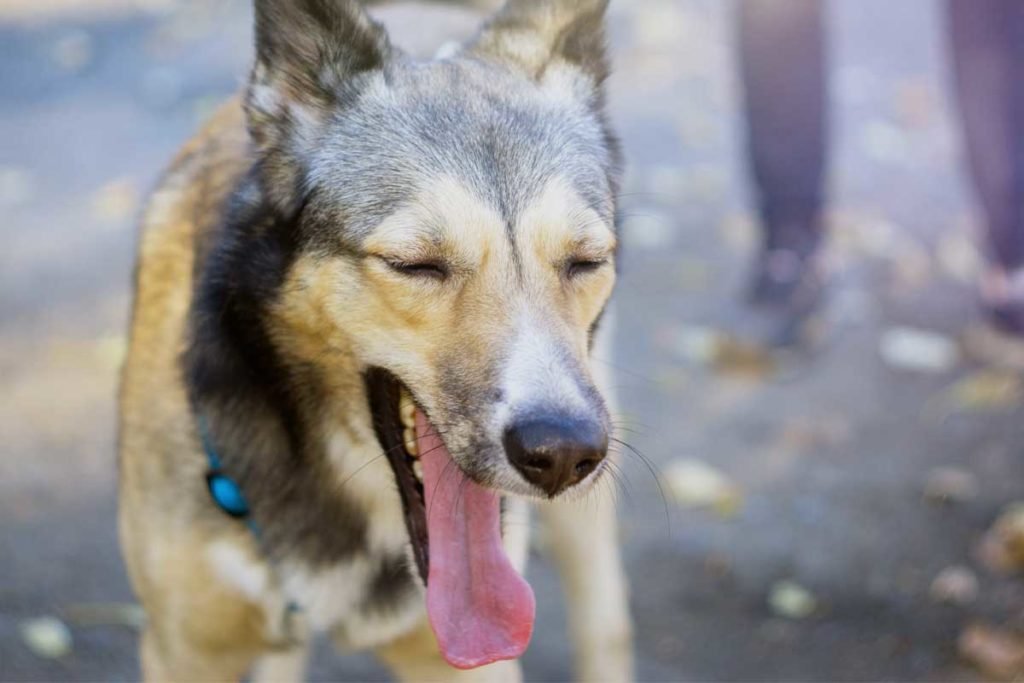
During a reverse sneezing episode, a dog may:
- Stand still with its neck extended
- Pull its lips back
- Make loud snorting or honking noises
- Appear to struggle or look distressed
Some owners mistake reverse sneezing for choking, asthma, or a seizure. However, the episode typically resolves on its own, and the dog returns to normal behavior within seconds or minutes. There is no actual cough, and the dog does not expel mucus or saliva.
Causes of Reverse Coughing and Sneezing
Reverse sneezing can be triggered by a variety of factors, including:
1. Irritation or Allergies
Dust, pollen, smoke, perfumes, cleaning products, or other airborne irritants can cause inflammation of the nasal and throat tissues, triggering reverse sneezing.
2. Excitement or Exercise
Some dogs experience reverse sneezing after vigorous play or excitement, likely due to increased breathing or mild throat irritation.
3. Foreign Bodies
Grass, seeds, or other small objects lodged in the nasal passages can initiate reverse sneezing as the body attempts to clear the airway.
4. Nasal Mites or Infections
Parasitic infections, mild upper respiratory infections, or sinusitis may irritate the nasal and pharyngeal tissues, causing reverse sneezing episodes.
5. Anatomical Factors
Small breeds and dogs with short noses (brachycephalic breeds like Pugs and Bulldogs) are more prone to reverse sneezing due to their anatomy.
6. Environmental Changes
Sudden temperature changes, humidity, or moving from indoors to outdoors can sometimes trigger reverse sneezing.
7. Pulling on the Leash
Pressure on the throat caused by collars can lead to irritation and reverse sneezing, especially in enthusiastic walkers.
Is Reverse Sneezing Dangerous?
In most cases, reverse sneezing is not dangerous. It is a benign event that does not harm your dog and does not indicate a serious underlying disease. However, if you notice frequent or prolonged episodes, or if your dog exhibits other symptoms (such as nasal discharge, coughing, lethargy, or difficulty breathing), it’s important to consult your veterinarian.
Reverse Coughing vs. Regular Coughing
Reverse sneezing and coughing are often confused, but they are distinct:
- Reverse Sneezing: Involves rapid, noisy inhalation; sounds like snorting or honking; caused by irritation in the throat or soft palate.
- Coughing: Involves forceful exhalation; may produce mucus; can be caused by infections, heart disease, or lung issues.
If your dog is coughing regularly, producing mucus, or has trouble breathing, a vet visit is essential.
How to Help a Dog During Reverse Sneezing
Although reverse sneezing usually resolves on its own, you can help your dog by:
- Calming Your Dog: Speak softly and gently pet your dog to reassure them.
- Gently Massaging the Throat: Lightly rub your dog’s throat to help relax the muscles.
- Briefly Covering the Nostrils: This can encourage your dog to swallow, clearing the irritation.
- Offering Water: Sometimes a small drink can help end the episode.
Never panic or try to forcibly stop the episode. Most dogs recover quickly and resume normal activities.
When to See the Veterinarian
While reverse sneezing is typically benign, certain symptoms warrant a vet visit:
- Frequent or Prolonged Episodes: If your dog has multiple episodes daily or each lasts more than a few minutes.
- Other Symptoms: Nasal discharge, coughing, wheezing, difficulty breathing, lethargy, or loss of appetite.
- Foreign Bodies: If you suspect something is stuck in your dog’s nose or throat.
- Breed Predisposition: Brachycephalic breeds are at higher risk for airway issues; consult your vet if episodes are frequent.
Your veterinarian may perform a physical exam, nasal swab, or imaging to rule out infections, allergies, or anatomical abnormalities.
Treatment and Prevention
Most cases of reverse sneezing require no treatment. However, if underlying causes are identified, your vet may recommend:
- Antihistamines: For allergies or environmental irritants.
- Antibiotics: If a bacterial infection is present.
- Removal of Foreign Bodies: If something is lodged in the nasal passages.
- Addressing Mites: Nasal mite infestations require specific veterinary medication.
To prevent reverse sneezing:
- Avoid walking your dog in dusty or pollen-filled areas.
- Switch from a collar to a harness to reduce throat pressure.
- Keep your dog’s environment free from strong scents and smoke.
- Regularly clean your home to minimize allergens.
Reverse Sneezing in Puppies and Senior Dogs
Reverse sneezing can occur in dogs of any age. Puppies may experience it as their airways develop, and senior dogs may have increased sensitivity due to age-related changes. Always monitor your dog for changes in frequency or severity of episodes.
Common Myths About Reverse Sneezing
-
Myth: Reverse sneezing means my dog is sick.
Fact: Most dogs are healthy and experience occasional episodes. -
Myth: Reverse sneezing is a sign of heart disease.
Fact: While coughing can be related to heart issues, reverse sneezing is not. -
Myth: Dogs can choke or suffocate during reverse sneezing.
Fact: The airway remains open; episodes resolve naturally.
Real Owner Experiences
Many dog owners initially panic when they witness reverse sneezing. For example, Sarah, a Labrador owner, recalls, “The first time my dog started snorting and gasping, I thought she was choking. But after a quick vet visit, I learned it was harmless reverse sneezing.”
Such stories are common, and veterinarians frequently reassure pet parents about the benign nature of reverse sneezing.
Conclusion: Understanding and Caring for Dogs With Reverse Coughing and Sneezing
Reverse coughing and sneezing are common, typically harmless events in dogs. While the episodes may seem dramatic, most resolve quickly without intervention. Understanding the signs, causes, and proper response can help dog owners remain calm and confident during these moments.
If episodes are frequent, severe, or accompanied by other symptoms, a veterinary evaluation is important to rule out underlying conditions. Otherwise, gentle reassurance and environmental adjustments are all that’s needed.
By staying informed and attentive, you can ensure your dog’s health and comfort—providing the best care possible for your loyal companion.