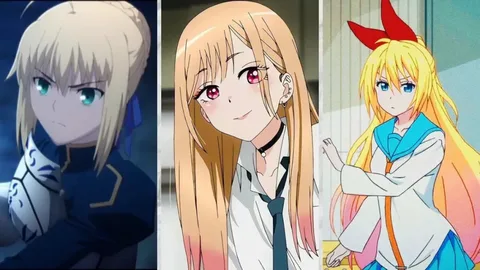
Long before streaming algorithms, global simulcasts, and social media fan communities shaped what we watch, the anime world was quietly building one of its most treasured legacies — a generation of unforgettable female characters. The anime girl before 2010 is a subject that sparks deep nostalgia among fans worldwide, and for very good reason. From the hand-drawn heroines of the 1980s to the emotionally complex leads of the early 2000s, these characters did not just entertain — they defined entire genres, challenged social norms, and left an imprint on pop culture that endures to this day.
The 1980s: Hand-Drawn Heroines and the Birth of Icons
The 1980s are widely regarded as a golden age of anime, and the female characters born during this decade were every bit as bold as the era itself. Studios relied entirely on hand-drawn cels, meaning every frame was crafted with painstaking care. The result was a rich visual texture and depth that gave these classics their timeless appeal.
One of the most consequential anime girls of this era was Lum from Urusei Yatsura, created by the legendary Rumiko Takahashi. Originally intended to appear only in the first chapter of the manga, Lum’s overwhelming popularity with fans convinced Takahashi to keep her around — and eventually transform her into the primary love interest of the series. Lum is widely credited as one of the key reasons anime has so many tsundere characters today, establishing a personality archetype that would define countless female characters for decades to come.
The 1980s also saw the emergence of the “big eyes” style popularized by artists like Rumiko Takahashi, creating emotionally expressive characters that could convey depth in both humor and drama. This visual language became foundational to how anime girls were drawn and perceived — not just in Japan, but globally as anime began reaching international audiences through VHS tapes and fan clubs.
Lynn Minmay from Macross introduced the world to the concept of the anime idol — a female character whose voice and music were as central to the story as any battle or romance. Her ambition, drive, and willingness to chase her dream even at great personal cost made her a compelling and layered figure, one that has only grown more appreciated as the Macross franchise has expanded in popularity.
Japan’s economic boom in the 1980s provided studios with more resources to innovate, and the Original Video Animation (OVA) boom of the decade encouraged visual experimentation, allowing creators to push the boundaries of what was possible in anime. Female characters benefited enormously from this creative freedom, appearing in a wider range of genres and roles than ever before.
The 1990s: Complexity, Emotion, and Global Reach
If the 1980s gave anime girls their visual identity, the 1990s gave them their soul. The decade marked a pivotal transition for anime as it moved from a niche interest to a global phenomenon, and female characters were at the heart of that transformation.
No discussion of the 1990s anime girl is complete without Sailor Moon. One of the most popular anime programs ever made, Sailor Moon began airing in 1992 and featured female anime leads almost exclusively, with a cute and unique aesthetic that remains arguably more iconic today than ever. The series played a crucial role in popularizing the shojo genre worldwide, blending magical girl elements with action and romance to redefine the aesthetic and influence an entire generation of subsequent anime and manga. Usagi Tsukino — clumsy, emotional, and deeply compassionate — proved that a female lead did not need to be stoic or conventionally heroic to be powerful.
Meanwhile, Neon Genesis Evangelion (1995) introduced Rei Ayanami and Asuka Langley Soryu, two female characters who became defining archetypes of the decade. Asuka, in particular, is often cited as the quintessential tsundere — evolving from distant and cold to warm and layered as the series progressed. Evangelion revolutionized anime with its complex characters, philosophical themes, and innovative design, and its female leads were central to that revolution.
The 1990s also saw anime art become more refined and polished, thanks in part to advances in cel animation techniques. Series like Sailor Moon and Evangelion introduced intricate character designs, complex shading, and more elaborate backgrounds, blending realism with the expressive exaggeration unique to anime and allowing artists to explore more mature and nuanced themes.
Studio Ghibli, founded in 1985, continued to reshape expectations for female characters throughout the 1990s. Films like Princess Mononoke (1997) presented San — fierce, morally complex, and entirely her own person — as a protagonist who defied easy categorization. Ghibli’s female leads consistently demonstrated that anime girls could anchor stories of genuine emotional and philosophical weight.
The 2000s: Digital Revolution and the Rise of the Moe Aesthetic
The early 2000s marked a paradigm shift in how anime was made — and how its female characters looked. Studios transitioned from traditional cel animation to digital methods, revolutionizing the production process. This shift enabled more vibrant colors, detailed backgrounds, and smoother animation, but it also changed the visual texture of anime girls in ways fans still debate today.
One of the most influential trends of this era was the rise of the “moe” aesthetic — designing characters to evoke affection, protectiveness, or emotional attachment. Typically applied to young female characters, moe traits included oversized heads, small mouths, pastel color schemes, and childlike mannerisms. While criticized by some for promoting unrealistic ideals, moe design proved commercially successful, particularly in light novel adaptations and slice-of-life genres.
Yet the 2000s were far from one-dimensional in their portrayal of anime girls. Series like Fullmetal Alchemist (2003) gave audiences Winry Rockbell — a brilliant mechanic whose emotional depth and fierce loyalty made her one of the most beloved supporting characters of the decade. Naruto, which began in 2002, introduced Tsunade, a female leader in a male-dominated world who represented resilience and empowerment, challenging traditional roles and inspiring viewers with her courage and dedication.
Haruhi Suzumiya, who debuted in The Melancholy of Haruhi Suzumiya in 2006, became a cultural phenomenon. Energetic, demanding, and utterly unlike any female lead that had come before, Haruhi redefined what an anime girl protagonist could be. Her series introduced themes and narrative techniques that would go on to influence countless shows in the years that followed.
Chihiro from Spirited Away (2001) brought Studio Ghibli’s tradition of complex female protagonists to a global cinema audience. Despite being a small girl alone in a sometimes terrifying spirit world, Chihiro demonstrated smarts and courage far beyond her years. Her transformation from scared and selfish to a deserving hero remains one of the most resonant character arcs in all of anime.
The digital revolution also brought sharper, more polished character designs. Bright, vibrant color palettes dominated the scene, with shows like Naruto and Bleach exemplifying this trend and appealing to younger audiences who were discovering anime through DVDs and early online platforms.
Why Pre-2010 Anime Girls Still Matter
The anime girls who emerged before 2010 were not simply products of their time — they were architects of the medium’s future. Each era built on the last: the expressive visual language of the 1980s informed the emotional complexity of the 1990s, which in turn shaped the diverse character landscape of the 2000s.
Pre-2010 shows introduced themes that would later become staples in modern narratives. Characters like Hinagiku Katsura from Hayate no Gotoku! exemplified strength alongside vulnerability — a duality that many contemporary writers strive to achieve today. This era also marked significant changes in animation styles, as bright colors and dynamic movements began to define how female characters were portrayed visually, reflecting broader societal shifts regarding gender representation.
Modern fan favorites like Nezuko Kamado, Mikasa Ackerman, and Yor Forger owe their existence — and their depth — to the long lineage of female characters who came before them. The emotional complexity, the genre-defining archetypes, the willingness to center female experience in stories of action, romance, horror, and philosophy — all of it traces back to the decades before 2010.
There is also a growing nostalgia for retro-inspired designs, suggesting that the classics of the past continue to influence the art of tomorrow. Fans who grew up with Sailor Moon, Rei Ayanami, or Winry Rockbell carry those characters with them, and their influence can be felt in every new series that dares to put a complex, fully realized female character at its center.
Final Thoughts
The anime girl before 2010 is more than a nostalgic category — she is the foundation of everything that followed. From the hand-drawn heroines of the 1980s to the digitally rendered icons of the early 2000s, these characters shaped the visual language, narrative expectations, and emotional depth of an entire medium. They were not just sidekicks or love interests; they were central figures in their own right, telling stories that mirrored the struggles and aspirations of audiences around the world.
Whether you fell in love with anime through Lum’s electric smile, Usagi’s tearful determination, or Haruhi’s chaotic brilliance, one thing is certain: the anime girls of the pre-2010 era changed the medium forever — and we are still feeling the impact today.