If you’ve noticed musty odors drifting up from your floors, unusually high humidity levels inside your home, or cold spots underfoot, your crawl space may be the culprit. Searching for “crawl space encapsulation near me” is a smart first step — but before you call a contractor, it’s worth understanding exactly what the process involves, what it costs, and how to choose the right professional for the job. This guide covers everything you need to know.
What Is Crawl Space Encapsulation?
A crawl space is the gap between the ground and your home’s first floor — typically a narrow, unfinished area that most homeowners rarely think about. But what happens in that space has a direct impact on the rest of your home.
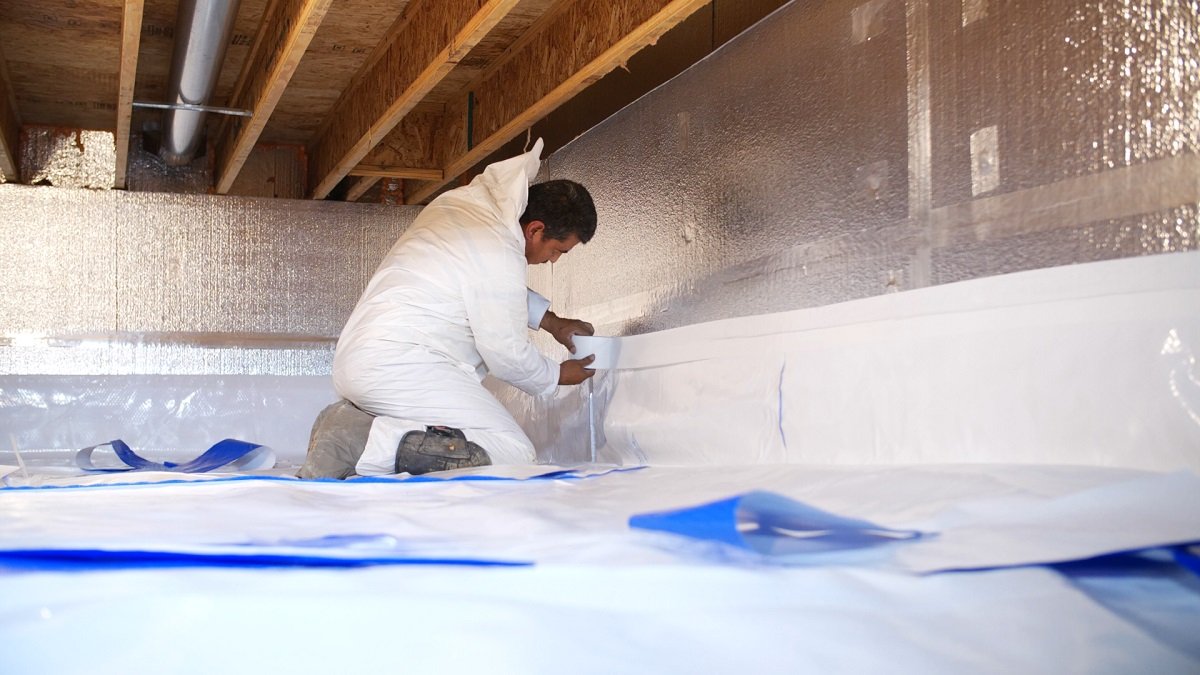
Crawl space encapsulation is the process of completely sealing this area with heavy-duty barriers, insulation, and in many cases, a dehumidifier to create a clean, dry, and controlled environment beneath your home. It involves lining the crawl space floor, walls, and foundation piers with a thick, puncture-resistant polyethylene vapor barrier, sealing all vents, doors, and openings to prevent outside air and moisture from entering, and installing insulation and climate control systems to maintain consistent temperature and humidity levels.
Unlike a basic vapor barrier installation — which simply lays a sheet of plastic on the dirt floor — true encapsulation creates a fully sealed, moisture-controlled environment that protects your home from the ground up.
Why Crawl Space Encapsulation Matters
Your crawl space plays a far bigger role in your home’s health and comfort than most people realize. According to building science experts, your crawl space is the source of a significant portion of the air circulating through your living spaces. Without proper sealing and waterproofing, moisture builds up and causes water damage, mold growth, and attracts pests — all of which can quietly compromise your home’s structural integrity and your family’s health.
Here are the key benefits of crawl space encapsulation:
Improved Indoor Air Quality: Poor air quality due to mold and mildew growth in your crawl space can lead to health issues such as allergies and respiratory problems. Encapsulation stops allergens, pollutants, and musty odors from seeping into your living areas, acting as your home’s first line of defense against airborne contaminants.
Lower Energy Bills: A well-encapsulated crawl space acts as a thermal barrier, preventing heat loss during winter and minimizing heat gain in summer. By regulating temperature and reducing strain on your HVAC system, homeowners can expect energy savings in the range of 10–20% on heating and cooling costs.
Pest Deterrence: Without proper barrier protection in place, critters like rodents, termites, snakes, and ants can easily find their way into an open crawl space. Encapsulation creates an inhospitable environment for pests, helping you avoid expensive extermination services down the road.
Structural Protection: Moisture infiltration leads to wood rot, mold growth, and deteriorating floor joists over time. Encapsulation prevents this damage, protecting the structural integrity of your home’s foundation and subfloor.
Increased Home Value: Prospective buyers are increasingly aware of the importance of a dry, healthy crawl space. An encapsulated crawl space boosts your home’s marketability and can increase its resale value.
7 Signs You Need Crawl Space Encapsulation Near You
Not sure if your home needs encapsulation? Watch for these warning signs:
- Musty or damp odors — A persistent musty smell in your home, especially on the lower levels, is often the first sign that moisture is accumulating in your crawl space.
- High indoor humidity — If your home consistently feels humid or sticky, even when the weather outside is dry, crawl space moisture is a likely cause.
- Cold or uneven floors — Constantly cold floors, even in warmer months, can indicate poor insulation and air leakage in your crawl space.
- Visible mold or mildew — Any signs of mold on floor joists, insulation, or HVAC equipment in the crawl space require immediate attention.
- Pest activity — If you’ve noticed insects, rodents, or other pests in or around your home, an open or poorly sealed crawl space may be the entry point.
- Standing water or visible moisture — Water pooling under your home is a serious sign that your crawl space needs professional attention before significant structural damage occurs.
- Soft, sagging, or bouncy floors — This can indicate that moisture has already begun to rot the wood subfloor or floor joists beneath your feet.
If you notice any of these signs, it’s time to search for crawl space encapsulation near you and schedule a professional inspection.
How Much Does Crawl Space Encapsulation Cost?
Cost is one of the most common questions homeowners have when considering this project. Crawl space encapsulation costs $5,500 on average, with most homeowners spending between $5,000 and $15,000 depending on the size and condition of the space. Basic encapsulation projects cost between $3 and $7 per square foot, with prices reaching up to $10 per square foot for crawl spaces with extensive moisture problems.
Here’s a breakdown of the key cost factors:
- Size of the crawl space: Larger spaces require more materials and labor, making size the single biggest driver of total cost.
- Condition of the space: Pre-existing issues such as mold, rot, pest damage, or standing water must be addressed before encapsulation. Mold remediation alone can cost $15 to $30 per square foot, and foundation repairs can range from $2,000 to $7,000 depending on the severity.
- Labor: Labor typically accounts for 50% to 70% of the total encapsulation cost. Professional installation ensures the job is done correctly, providing long-term benefits and reducing the need for frequent repairs.
- Materials: Vapor barriers, insulation, dehumidifiers, and drainage systems make up the remaining 30–50% of project expenses. Higher-quality materials cost more upfront but deliver better performance and durability over time.
- Add-ons: Optional upgrades like sump pumps, drainage systems, Wi-Fi-enabled dehumidifier monitoring, water alarms, and sump pump battery backups can add to the total but provide valuable peace of mind.
- Permits and inspections: Some municipalities require permits for encapsulation work, adding to the upfront investment.
While the initial cost may seem significant, the long-term benefits — including reduced energy bills, avoided structural repairs, improved air quality, and increased home value — typically far outweigh the upfront expense.
The Crawl Space Encapsulation Process: What to Expect
A professional crawl space encapsulation project typically follows these steps:
Step 1 — Inspection: A thorough inspection of the crawl space is performed to assess its condition, identify moisture sources, check for mold or pest damage, and determine what prep work is needed before encapsulation can begin.
Step 2 — Cleaning and Preparation: The crawl space is cleared of debris, old insulation, and any contaminants. Mold remediation and pest treatment are performed if needed. The area may also need to be leveled if there are uneven surfaces.
Step 3 — Sealing and Barrier Installation: A heavy-duty, puncture-resistant polyethylene vapor barrier (typically 10–20 mil thickness) is installed across the floor, walls, and foundation piers. All seams are carefully taped and sealed to prevent moisture intrusion.
Step 4 — Vent and Opening Sealing: All foundation vents, crawl space doors, and other openings are sealed to prevent outside air and moisture from entering the space.
Step 5 — Insulation: Rigid foam board insulation is installed on the walls and rim joists to maintain consistent temperatures and reduce energy loss.
Step 6 — Dehumidifier Installation: In humid climates, a dedicated crawl space dehumidifier is installed to maintain optimal humidity levels (below 60%) year-round, preventing condensation, mold growth, and wood rot.
Step 7 — Final Walkthrough: A reputable contractor will walk you through the completed work, explain how the system functions, and provide guidance on ongoing maintenance.
How to Choose a Crawl Space Encapsulation Contractor Near You
Choosing the right contractor is just as important as the encapsulation itself. Poor installation can trap existing moisture rather than prevent it — leading to mold growth and additional structural damage that costs even more to repair.
Here’s what to look for when searching for crawl space encapsulation near you:
Specialization: Look for contractors who specialize in crawl space encapsulation rather than companies that offer it as one of many services. Specialists bring deeper knowledge of moisture control, vapor barriers, and drainage systems specific to crawl spaces.
Licensing and Insurance: Make sure the contractor you choose is properly licensed and insured. Working in a crawl space is physically demanding and potentially hazardous, requiring more than basic handyman insurance — look for contractors with specific insulation or mold-related coverage.
Detailed Written Estimates: A reputable contractor will visit your home, inspect the crawl space in person, and provide a detailed written estimate that itemizes materials, labor, project timeline, and warranty terms. Be wary of any company that quotes a price without seeing the space.
Warranty and Service Agreements: The best crawl space encapsulation companies stand behind their work with a satisfaction guarantee and offer ongoing service agreements to maintain dehumidifiers, inspect vapor barriers, and address any issues that arise after installation.
Customer Reviews and References: Check Google, Yelp, Angi, and the Better Business Bureau for reviews. Ask the contractor for references from past clients in your area, and don’t hesitate to follow up with them.
Red Flags to Avoid: Be cautious of contractors who pressure you into same-day decisions, offer prices considerably lower than competitors, provide vague or incomplete estimates, or are unwilling to provide proof of licensing and insurance. Quality encapsulation work costs what it costs — unusually low bids are a warning sign, not a bargain.
Tips for Saving Money on Crawl Space Encapsulation
- Get multiple quotes: Reach out to at least three local contractors to compare pricing, materials, and warranties.
- Time your project wisely: Planning your project in early spring or late fall, when contractor demand is lower, can sometimes result in more competitive pricing.
- Do the prep work yourself: Clearing debris and removing stored items from the crawl space before the contractor arrives can reduce labor time and costs.
- Invest in quality materials: Spending more on a thicker vapor barrier and a commercial-grade dehumidifier upfront will save you money on repairs and replacements over time.
- Regular maintenance: Scheduling annual inspections and minor maintenance after encapsulation extends the life of the system and prevents costly repairs.
Final Thoughts
Crawl space encapsulation is one of the most impactful home improvement investments you can make. It protects your home’s structural integrity, improves the air your family breathes, reduces energy costs, and deters pests — all while increasing your property’s value. If you’ve noticed any of the warning signs described in this guide, don’t wait for the problem to worsen.
Search for “crawl space encapsulation near me,” request inspections from multiple qualified contractors, compare their estimates carefully, and choose a licensed professional who specializes in the work. The right encapsulation system, properly installed and maintained, will protect your home from the ground up for decades to come.