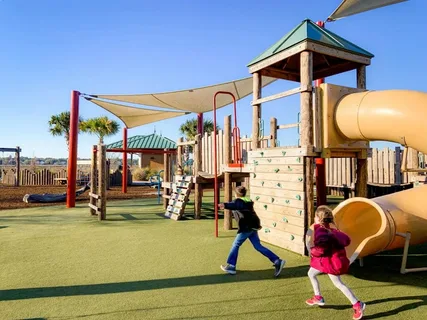
If you’ve ever searched for “playgrounds near me,” you already understand the instinct behind it — a desire to get the kids outside, burn off some energy, and enjoy the simple joy of fresh air and open space. But today’s playgrounds are far more than just a slide and a set of swings. They have evolved into dynamic, inclusive, and community-centered spaces that offer real benefits for children’s physical health, mental well-being, and social development. Whether you’re a parent, grandparent, or caregiver, this guide will help you understand why playgrounds matter, what to look for in a great one, and how to make the most of your next visit.
Why Playgrounds Matter More Than Ever
In an age where screen time is at an all-time high, playgrounds serve as a vital counterbalance. On average, kids in the U.S. spend 7.5 hours a day in front of screens, and research shows that too much screen time can lead to a lack of physical activity, weight concerns, and low self-esteem. Finding quality playgrounds near you isn’t just a fun outing — it’s an investment in your child’s overall health and development.
The science backs this up strongly. A growing body of global research confirms that active outdoor play is one of the most effective ways to support children’s physical fitness, mental well-being, and overall development. The 2025 Position Statement on Active Outdoor Play, informed by 18 rigorous literature reviews, states that active outdoor play promotes holistic health and well-being for people of all ages. Yet despite all these benefits, a nationally representative poll from the University of Michigan Health C.S. Mott Children’s Hospital found that one in 10 parents of toddlers and preschoolers said their child plays outside only once a week or less — a striking gap that local playgrounds can help close.
The Key Benefits of Outdoor Play at Playgrounds
1. Physical Health and Motor Development
Outdoor play inherently encourages physical activity, which is vital for developing strength, coordination, and overall health. Activities such as running, climbing, and jumping not only enhance motor skills but also contribute to cardiovascular fitness and muscle development. Research has also found that increased time spent outdoors is linked to lower obesity rates and a reduced risk of nearsightedness in children. Exposure to sunlight during outdoor play also facilitates the production of vitamin D, essential for bone health and immune function.
2. Mental Health and Emotional Well-Being
The mental health benefits of outdoor play are especially significant as rates of childhood anxiety continue to rise. According to the 2025 Position Statement on Active Outdoor Play, outdoor play was positively associated with executive functioning, emotional regulation, and stress relief in children. The Kids Mental Health Foundation also notes that outdoor time helps reduce symptoms of anxiety and depression in children, improves focus, and builds emotional resilience.
3. Cognitive Development and Creativity
The unstructured nature of outdoor play stimulates creativity and problem-solving abilities. Children invent games, navigate obstacles, and interact with diverse elements in their environment, fostering flexible thinking and adaptability. Research indicates that such play experiences can lead to improved attention spans and cognitive functioning. Research from North Carolina State University’s Center for Family and Community Engagement found that children who engage in outdoor activities show improved performance in subjects like science and mathematics.
4. Social Skills and Community Connection
Outdoor settings offer rich opportunities for cooperative play, teamwork, and the development of essential social skills such as sharing and communication. Playgrounds serve as natural gathering places where children of different backgrounds and abilities come together — building friendships, learning empathy, and developing a sense of community belonging.
5. The Value of Risky Play
One finding that may surprise some parents is the importance of risky play. The 2025 Position Statement found that activities like climbing, rough-and-tumble play, and exploring unfamiliar terrain help children develop confidence, risk perception, and problem-solving skills. Researchers also noted that overly safe and heavily supervised play environments may actually contribute to increased anxiety in young people — a compelling reason to seek out playgrounds that offer genuine challenge and adventure.
Types of Playgrounds to Look for Near You
Not all playgrounds are the same. When searching for playgrounds near you, knowing the different types can help you find the best match for your child’s age, interests, and needs.
Traditional Playgrounds
The classic setup — swings, slides, climbing structures, and monkey bars — remains a staple in parks and schools nationwide. These playgrounds are great for younger children and offer familiar, straightforward fun. Many have been upgraded in recent years with safer surfacing and more durable materials.
Inclusive and Accessible Playgrounds
Inclusive playgrounds have become increasingly popular, and a poll conducted by the National Recreation and Park Association found that nearly 9 in 10 Americans say communities should offer all-inclusive play options. These forward-thinking spaces go beyond basic ADA compliance and feature wheelchair-accessible ramps and structures, adaptive swings and spinners, sensory panels and quiet zones, and wide decks with double handrails. The goal is to ensure that children of all abilities can play side by side — a powerful and growing movement in playground design.
Nature-Inspired Playgrounds
With more children spending time indoors and online, nature-inspired play environments offer a much-needed connection to the outdoors. These playgrounds mimic natural settings with elements like wood, stone, plants, and water features. A University of Tennessee study found that children who play on nature-inspired playscapes tend to be more physically active than those using traditional equipment, and the benefits extend to enhanced cognitive development and creativity.
Water Play and Splash Pads
One of the most popular playground additions in 2025 is the inclusion of water features and splash pads. These accessible, inclusive spaces encourage multi-generational physical play and the building of social connections across all ages — and they’re a favorite on hot summer days. Many parks now combine traditional play structures with splash zones to create a comprehensive outdoor experience.
Adventure and Vertical Play Spaces
From skywalks and bridges to spiral slides that wind down multiple stories, vertical play is on the rise. These towering structures are a big hit, especially with older kids who may feel like they’ve outgrown traditional playgrounds. They add a sense of adventure and accomplishment that keeps tweens and preteens engaged, all within a safe and supervised environment.
Smart and Tech-Integrated Playgrounds
Technology and playgrounds are finding exciting common ground. From motion-activated games to augmented reality scavenger hunts, today’s playgrounds are merging the physical and digital worlds. STEAM-inspired equipment — climbing walls with math puzzles, panels that introduce coding through lights and patterns, or musical stations — turns play into hands-on discovery without ever feeling like school.
What to Look for When Choosing a Playground Near You
With so many options available, here’s a practical checklist to help you evaluate any playground you’re considering:
Safety First Look for well-maintained equipment with no sharp edges, broken parts, or loose hardware. Check that the surface beneath equipment — whether engineered wood fiber, rubber mulch, or poured rubber — provides adequate fall protection. Safe, well-maintained playgrounds attract more users, support longer visits, and reduce injury risks.
Age-Appropriate Equipment The best playgrounds offer distinct zones for different age groups — typically toddlers (ages 2–5) and older children (ages 5–12). Separate areas ensure younger children aren’t overwhelmed by equipment designed for bigger kids, and older children have enough challenge to stay engaged.
Shade and Seating A great playground includes features that allow parents, guardians, and caregivers to enjoy the space comfortably while keeping a safe eye on children. Look for shaded seating areas, picnic tables, and accessible pathways that make the visit enjoyable for the whole family.
Accessibility Choose playgrounds that welcome children of all abilities. Look for ramps, accessible swings, ground-level play panels, and smooth pathways that allow wheelchair users and children with mobility challenges to participate fully.
Cleanliness and Upkeep A well-kept playground reflects a community that values its outdoor spaces. Clean restrooms nearby, regular maintenance, and litter-free environments make for a more pleasant and safer experience.
How to Find the Best Playgrounds Near You
Finding great playgrounds in your area has never been easier. Here are some practical tips:
- Use Google Maps — Search “playgrounds near me” and filter by reviews and ratings to find community favorites.
- Check your local parks and recreation department website — Most cities maintain updated lists of public parks and playground facilities, including accessibility features and amenities.
- Join local parenting groups on social media — Facebook groups and neighborhood apps like Nextdoor are goldmines for playground recommendations from parents who’ve already done the exploring.
- Ask at your child’s school — Teachers and school staff often know the best nearby parks and play spaces for different age groups.
- Look for “inclusive playground” directories — Several national organizations maintain searchable databases of certified inclusive and accessible playgrounds.
Final Thoughts
Searching for “playgrounds near me” is one of the best things you can do for your child’s health, happiness, and development. Today’s playgrounds are vibrant community anchors, wellness hubs, and expressions of inclusion and creativity — offering far more than the metal slides and wobbly seesaws of decades past. By prioritizing time outside at quality play spaces, you support your children’s physical health, cognitive growth, social skills, and emotional well-being, laying the foundation for a balanced and fulfilling life. So grab your sunscreen, lace up your sneakers, and go find your next favorite playground.