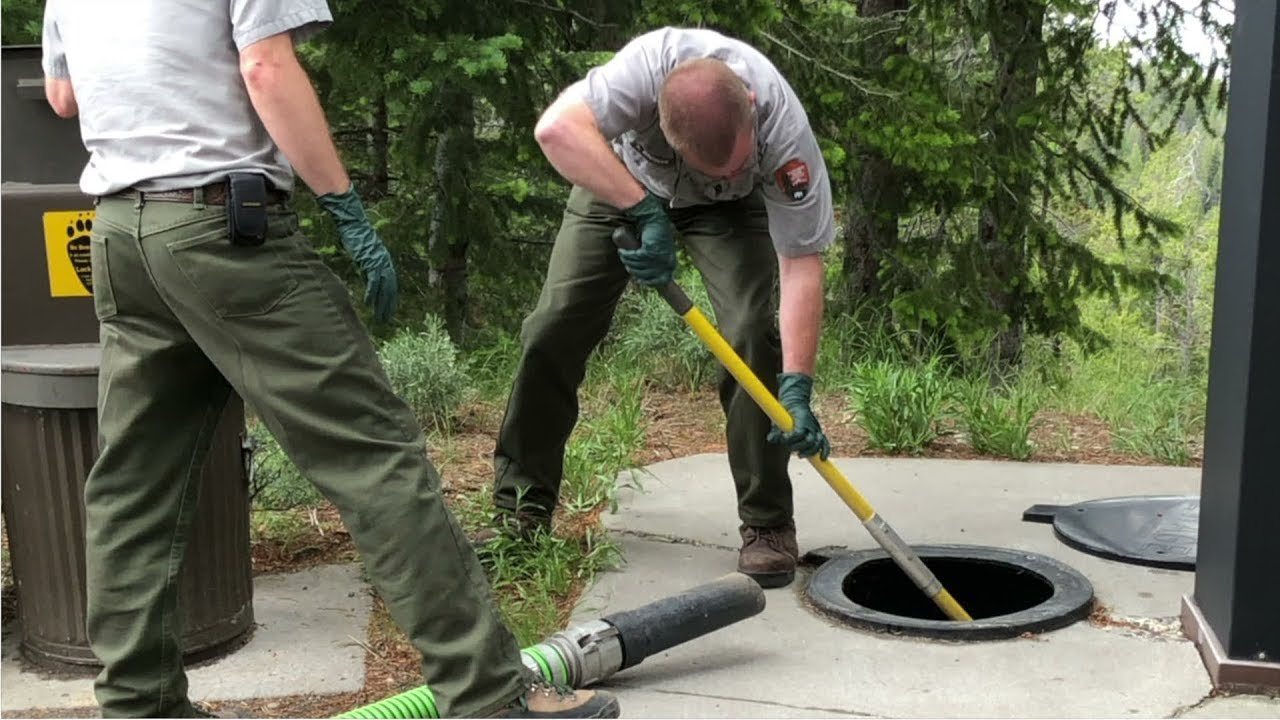
If you’ve found yourself searching for “septic repair near me,” chances are something has gone wrong — and it probably can’t wait. A failing septic system is one of the most urgent home repair situations a property owner can face. Left unaddressed, it can lead to sewage backups, contaminated groundwater, costly property damage, and serious health risks for your family. This guide covers everything you need to know: the warning signs of a failing system, the types of repairs available, what they cost, and how to find a reliable septic repair professional near you.
How a Septic System Works
Before understanding what can go wrong, it helps to know how a septic system functions. A septic system is an onsite wastewater treatment facility that processes household waste when a property isn’t connected to a municipal sewer line. Wastewater from your home flows into a buried tank, where solid waste settles to the bottom and liquid effluent rises to the top. That liquid then drains out through a network of pipes into a leach field (also called a drain field), where it’s naturally filtered by the soil.
When any part of this system fails — the tank, the pipes, the distribution box, or the drain field — the entire process breaks down, and the consequences can be immediate and severe.
Warning Signs You Need Septic Repair Near You
Knowing when to call a septic professional can save you thousands of dollars. Catching problems early is the difference between a minor repair and a full system replacement. Here are the most common warning signs that your septic system needs attention:
1. Slow Drains and Backups One of the first signs of a failing septic system is slow drains or backups in your sinks, toilets, or showers. If multiple fixtures are draining slowly at the same time, the problem is likely in the septic system rather than a single clogged pipe.
2. Sewage Odors Strong sewage smells inside your home or around your yard are a clear indicator that something is wrong. These odors signal that waste is not being properly contained or processed.
3. Pooling Water or Soggy Ground Noticeable pooling water or damp patches near the leach field — especially in dry weather — suggests the drain field is failing. Unusually bright green or spongy grass over the drain field area is another telltale sign that effluent is surfacing rather than filtering into the soil.
4. Gurgling Toilets Gurgling sounds coming from your toilets or drains can indicate a blockage or pressure issue within the septic system.
5. Yard Depressions Visible depressions or sinkholes near your septic tank can signal structural damage or even tank collapse — a serious situation that requires immediate professional attention.
If you notice any of these signs, stop using excess water in your home and call a licensed septic repair company near you as soon as possible.
Common Types of Septic Repairs
Not every septic issue requires a full system replacement. Many problems can be resolved with targeted repairs. Here are the most common types of septic repairs and what they involve:
Septic Pump Repair or Replacement The septic pump moves wastewater from the tank to the drain field. Common issues include electrical problems, physical damage, or wear from lack of maintenance. Repairing a septic pump typically costs $250 to $400, while a full replacement runs $500 to $1,300.
Baffle Repair A septic tank has two baffles — one at the inlet and one at the outlet — that prevent solid waste from clogging the system or moving into the drain field. Repairing a baffle costs $250 to $900, depending on accessibility and material.
Septic Line Repair The sewer line from your house to the tank, or the pipe from the tank to the drain field, can crack, separate, or be crushed by tree roots or soil movement. Septic line repair costs $150 to $3,800, depending on the length of damaged pipe, depth, and accessibility. A camera inspection costing $125 to $500 is usually needed first to locate and assess the damage.
Distribution Box Replacement The distribution box (D-box) redistributes wastewater from the septic tank into lines leading to the leach field. Replacing it costs $500 to $1,500, depending on size and material.
Root Removal Tree roots are a common cause of septic system damage. A septic service professional uses an auger, drain cable machine, or hydro-jet to cut through the roots and clear the system. Root removal typically costs $600 to $1,600.
Drain Field Rejuvenation or Replacement Drain field failure is one of the most serious — and expensive — septic problems. Rejuvenation treatments that target biomat buildup can sometimes restore function, but full drain field replacement can cost $5,000 to $15,000 or more, depending on soil conditions, system size, and local permitting requirements.
How Much Does Septic Repair Cost in 2026?
Septic tank repair costs range from $628 to $3,040 for most standard repairs, with an average of around $1,828 for inspection and repairs combined. However, major septic repairs can run $6,500 or more, and complete system replacement can cost between $10,000 and $25,000 in severe cases.
Here’s a general cost breakdown:
- Minor repairs (lid replacement, filter cleaning, baffle repair): $150–$900
- Pump repair or replacement: $250–$1,300
- Septic line repair: $150–$3,800
- Distribution box replacement: $500–$1,500
- Root removal: $600–$1,600
- System backup clearing: $1,500–$5,000
- Drain field repair or replacement: $5,000–$15,000
- Full system replacement: $10,000–$25,000+
A useful rule of thumb: if the cost of repair exceeds 50% of the cost of full replacement, replacement is usually the more cost-effective long-term choice. Keep in mind that emergency service calls will increase the price, and permit fees for full septic replacements can add $460 to $2,770 to the total.
For budgeting purposes, it’s smart to keep a separate emergency fund of at least $2,000 to $3,000 for unexpected septic issues.
Repair vs. Replacement: How to Decide
Not every failing septic system needs to be replaced. However, certain situations make replacement the wiser investment:
- The drain field shows signs of permanent failure (standing water in dry weather, sewage surfacing)
- Repairs have become frequent — more than once per year
- The system is over 25 to 30 years old and components are consistently degrading
- The system doesn’t meet current local codes and you’re preparing to sell the home
- Repair costs exceed half the cost of a full replacement
A licensed septic professional can assess your system and give you an honest evaluation of whether repair or replacement makes more financial and practical sense for your situation.
How to Find the Best Septic Repair Near You
Searching “septic repair near me” will return plenty of results, but choosing the right company is critical. Improper repairs can lead to total system failure, groundwater contamination, or property damage. Here’s how to make a smart choice:
1. Verify licensing, bonding, and insurance. Always confirm the company is licensed in your state, bonded, and fully insured. This protects you if something goes wrong during the repair process.
2. Look for septic-specific experience. Choose a company with dedicated septic repair experience, not just general plumbing. Look for membership in the National Onsite Wastewater Recycling Association (NOWRA), which indicates a commitment to professional standards.
3. Get at least three estimates. Repair pricing varies significantly between contractors. Collecting multiple quotes helps you identify fair pricing and avoid overpaying. A reputable company will provide a detailed written estimate before any work begins.
4. Ask about the diagnostic process. A trustworthy provider will conduct a thorough assessment before recommending repairs. Ask whether they use camera inspections to accurately diagnose pipe issues — this prevents costly misdiagnoses and ensures you’re only paying for repairs that are actually needed.
5. Check reviews and references. Look at verified reviews on Google, HomeGuide, Angi, and Yelp. Pay attention to feedback about communication, transparency, timeliness, and whether the repair held up over time.
6. Confirm they handle permits. Many septic repairs — especially drain field work or full replacements — require local permits. A professional company will handle the permitting process on your behalf and ensure all work meets local code requirements.
Preventing Costly Septic Repairs: Maintenance Tips
The most expensive septic repairs are almost always the result of skipped maintenance. A well-maintained septic system can last 20 to 40 years, while a neglected one may fail in as little as 10 to 15 years. Here’s how to protect your investment:
- Schedule annual inspections. Regular professional inspections allow technicians to spot potential issues before they develop into major problems.
- Pump your tank every 3 to 5 years. Standard septic tank pumping costs $250 to $375 and prevents solid buildup that can overwhelm the system. Families of four or more may need service every 3 years.
- Avoid flushing harmful materials. Never flush wipes, feminine hygiene products, grease, medications, or harsh chemicals into your septic system. These items disrupt the bacterial balance and can cause serious blockages.
- Space out high-water-use activities. Running multiple large laundry loads back-to-back can overwhelm the leach field. Spread water-heavy tasks throughout the week.
- Protect the drain field. Never park vehicles or place heavy equipment over your septic system. Avoid planting trees or large shrubs near the drain field, as roots are a leading cause of pipe damage.
Routine inspection and pumping every 3 to 5 years, costing $250 to $500, can prevent major repairs that would otherwise cost $5,000 to $15,000 or more.
Final Thoughts
A septic system problem is never something to put off. The moment you notice warning signs — slow drains, foul odors, soggy ground, or sewage backups — the clock is ticking. Acting quickly limits the damage, reduces repair costs, and protects your family’s health and your property’s value.
When searching for septic repair near you, prioritize licensed, experienced professionals who offer transparent pricing, thorough diagnostics, and a clear written contract. The right company will not only fix the immediate problem but also help you build a maintenance plan that keeps your system running reliably for decades to come.