Traveling through the rolling farmlands and charming villages of southeastern Pennsylvania, it is common to see the word “Wilkum” painted on wooden signs, etched into doorways, or woven into decorative plaques. Instantly recognizable, “wilkum” is more than just a greeting—it is a symbol of welcome, warmth, and tradition deeply rooted in the Pennsylvania Dutch and Amish cultures. This article explores the meaning, history, and enduring significance of “wilkum,” and how it continues to shape the spirit of hospitality in America’s heartland and beyond.
The Meaning and Origins of “Wilkum”
“Wilkum” is a variation of the German word “willkommen,” meaning “welcome.” The word arrived in America with waves of German-speaking immigrants during the 17th and 18th centuries, particularly those who settled in Pennsylvania. Over time, their dialect—known as Pennsylvania Dutch (from “Deutsch,” meaning German)—developed distinct pronunciations and spellings, of which “wilkum” is a prime example.
The Pennsylvania Dutch are not Dutch from the Netherlands, but rather descendants of German-speaking peoples from regions like the Palatinate, Switzerland, and Alsace. Their dialect, culture, and customs have become an integral thread in the American tapestry, especially in Pennsylvania, Ohio, and Indiana.
Wilkum and the Art of Hospitality
At its heart, “wilkum” embodies the tradition of hospitality—a virtue held in high esteem among the Pennsylvania Dutch and Amish. In these communities, opening one’s home to guests, friends, and even strangers is a time-honored practice.
Wilkum Signs: A Universal Greeting
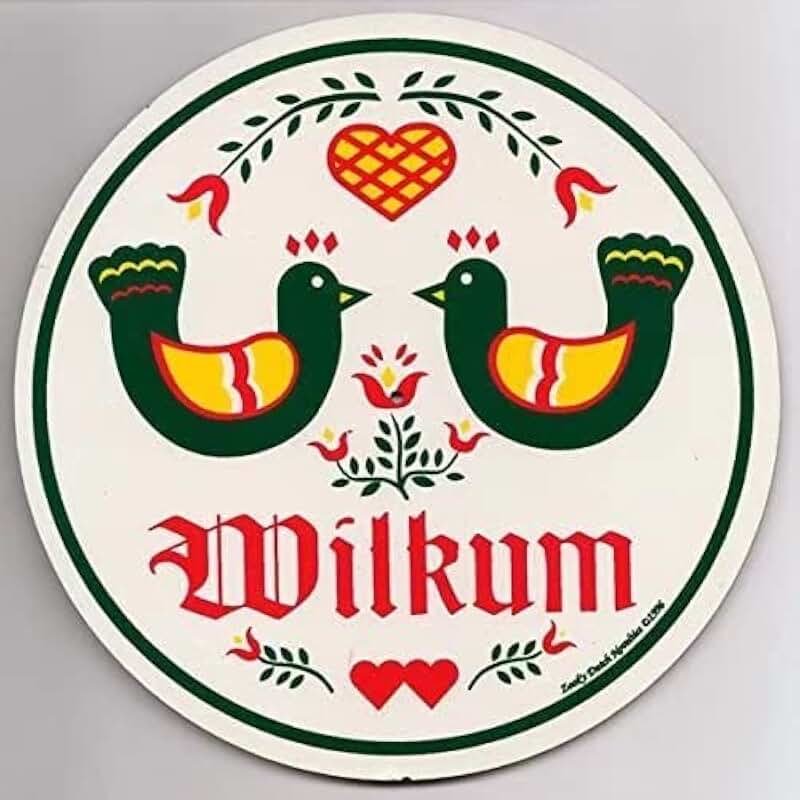
Hand-painted “wilkum” signs are a common sight on the porches and entryways of Pennsylvania Dutch homes. These signs are often adorned with folk art motifs such as tulips, hearts, birds, and distelfinks (a stylized goldfinch believed to bring good luck). The welcoming message is not just for friends and family, but for all who pass by—a testament to the community’s open spirit.
The Wilkum Plate
Another beloved tradition is the “wilkum plate,” a decorative plate featuring welcoming designs and the word “wilkum” in bold script. These plates are displayed prominently in homes, symbolizing the household’s readiness to receive guests with generosity and kindness.
The Role of Wilkum in Amish and Mennonite Life
Among the Amish and Mennonites—groups who share Pennsylvania Dutch roots—wilkum is more than a word; it is a way of life. Hospitality, mutual aid, and community support are core values.
Barn Raisings and Church Gatherings
Events such as barn raisings, church services, and communal meals illustrate the principle of wilkum in action. When a family needs help, the entire community responds—sharing food, labor, and companionship. Visitors, whether neighbors or outsiders, are greeted warmly and offered food and fellowship, reflecting the spirit of wilkum.
Bed and Breakfasts
In the 20th and 21st centuries, Amish and Mennonite families began opening their homes as bed and breakfasts, inviting travelers to experience their way of life. Here, guests are treated not as customers, but as honored visitors—served home-cooked meals, given tours of the farm, and welcomed into daily routines. The wilkum sign is often the first thing they see, signaling genuine hospitality.
Wilkum in Pennsylvania Dutch Folk Art
The Pennsylvania Dutch are renowned for their colorful folk art, and wilkum is a frequent subject. Hex signs—circular paintings found on barns—sometimes include the word alongside auspicious symbols. Fraktur, an ornate calligraphic style, is used to create decorative documents, birth and marriage certificates, and wilkum plaques.
These artistic expressions not only beautify homes and farms but also reinforce communal values. The presence of “wilkum” in folk art serves as both a greeting and a gentle reminder of the importance of openness and kindness.
Modern Interpretations and Broader Usage
While “wilkum” retains its strongest associations with the Pennsylvania Dutch and Amish, its meaning resonates with anyone who values hospitality and connection.
Tourism and Cultural Heritage
Regions like Lancaster County, Pennsylvania, have embraced “wilkum” as a symbol of local identity and pride. Visitors are greeted by wilkum signs in shops, restaurants, and inns. The word appears on souvenirs, postcards, and promotional materials, inviting travelers to experience the warmth and friendliness of the region.
Wilkum in Everyday Life
For many, displaying a wilkum sign or plate is a way to express their own commitment to hospitality, regardless of heritage. The message transcends linguistic boundaries, reminding us all of the power of a warm welcome.
The Deeper Significance of Wilkum
The enduring appeal of “wilkum” lies in its simplicity and sincerity. In an age when technology often mediates our interactions, the idea of personally welcoming others into our space remains profoundly meaningful.
Building Community
At its best, wilkum is about more than pleasantries—it is about forging real connections, building community, and fostering understanding. Whether it’s sharing a meal, lending a hand, or simply offering a smile and a greeting, the practice of wilkum strengthens social bonds.
Inclusion and Openness
Wilkum also carries a message of inclusion. In Pennsylvania Dutch culture, hospitality is extended not only to familiar faces but also to newcomers and strangers. This ethic of openness can serve as a model for broader society, especially in times when division and suspicion can threaten community cohesion.
Wilkum in Literature and Popular Culture
The concept of wilkum has found its way into literature, television, and popular culture, often as shorthand for the welcoming spirit of rural America. Novels set in Amish country, travel documentaries, and even culinary shows highlight the role of wilkum in shaping local life and customs.
How to Practice Wilkum Today
You don’t have to be Pennsylvania Dutch or Amish to embrace wilkum in your own life. Here are some simple ways to bring the spirit of wilkum to your home and community:
- Display a Wilkum Sign: A handmade or purchased sign can greet guests and passersby.
- Host a Meal: Invite friends, neighbors, or even someone new to share food and conversation.
- Offer Help: Volunteer, lend a hand, or simply check in on those around you.
- Be Present: Take the time to listen and engage with visitors, free from distractions.
- Share Your Traditions: Teach others about wilkum and its meaning, spreading the message of welcome.
Conclusion: The Enduring Spirit of Wilkum
In a world that sometimes feels rushed and impersonal, the tradition of wilkum stands as a beacon of warmth and belonging. Rooted in the fields and villages of Pennsylvania Dutch country, yet universally relevant, wilkum reminds us of the simple joy of welcoming others. Whether you encounter the word on a sign, a plate, or a smile, remember that wilkum is more than a greeting—it’s an invitation to connect, to share, and to make the world a more hospitable place for all.