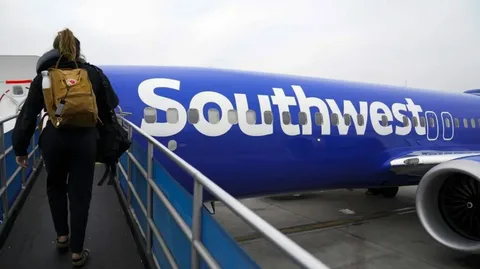
In early 2026, Southwest Airlines announced a significant reduction in its flight operations at St. Louis Lambert International Airport (STL), sending ripples through the local travel community and the broader aviation industry. As one of the largest low-cost carriers in the United States, Southwest’s decisions often influence the dynamics of air travel markets nationwide. This article examines the reasons behind the cuts, the immediate and long-term impacts on passengers and the region, and what this move signals for the future of airline operations in the Midwest.
The Announcement: Southwest Airlines Scales Back at Lambert
Southwest Airlines has long been a dominant presence at Lambert, serving as one of the airport’s primary carriers for both business and leisure travelers. In March 2026, the airline revealed plans to cut a substantial number of flights from its STL schedule, including:
- Reduced frequency on major routes to cities such as Denver, Dallas, and Phoenix
- Suspension of select seasonal or underperforming routes
- Streamlining of operations to focus on higher-demand destinations
The changes, set to take effect in the upcoming summer schedule, represent one of the most significant network adjustments for Southwest at Lambert in over a decade.
The Causes: Why is Southwest Cutting Flights?
1. Shifting Demand Patterns
Passenger demand has been evolving rapidly post-pandemic. While travel has rebounded in many regions, some markets have not returned to pre-2020 levels. Data indicate that business travel through Lambert remains sluggish, and certain leisure routes are underperforming compared to other hubs in Southwest’s network.
2. Operational Efficiency and Network Optimization
Southwest Airlines, like other major carriers, continuously reviews route profitability and operational efficiency. By reassigning aircraft and crew to higher-performing routes, the airline can maximize revenue and improve on-time performance. Lambert’s flight reductions are part of a broader network optimization strategy affecting several secondary airports nationwide.
3. Cost Pressures and Resource Constraints
Rising fuel prices, labor costs, and ongoing aircraft delivery delays have forced airlines to make tough choices about where to deploy limited resources. With a finite number of aircraft and crew available, Southwest is prioritizing markets that promise higher returns.
4. Increased Competition
Competition at Lambert has intensified, with ultra-low-cost carriers (ULCCs) and legacy airlines expanding their presence. This has eroded some of Southwest’s market share and pressured fares on overlapping routes.
The Impact: What Does This Mean for St. Louis and Travelers?
1. Fewer Nonstop Options
One of the immediate effects for St. Louis passengers is a reduction in nonstop flight options to key destinations. Travelers may need to connect through other Southwest hubs or consider alternative airlines, often resulting in longer travel times and less convenience.
2. Potential Fare Increases
A decrease in competition on certain routes could lead to higher fares, especially if other airlines do not step in to fill the void. Conversely, ULCCs may seize the opportunity to expand, offering lower-cost alternatives but often with fewer amenities.
3. Economic Ripple Effects
Lambert International Airport is a vital economic engine for the St. Louis region, supporting thousands of jobs and facilitating business and tourism. A reduction in flights can impact:
- Airport revenue from landing fees and concessions
- Local hospitality and service industries
- Regional business connectivity and growth
4. Southwest’s Local Workforce
While Southwest has stated there are no immediate plans for layoffs, flight reductions may eventually affect staffing levels for ground crews, ticket agents, and support staff at the airport. The airline has pledged to work with employees to minimize disruptions.
Airport and Community Response
Local officials and airport management have expressed disappointment but also a commitment to mitigating the impact. Lambert is actively engaging with other airlines to attract new or expanded service and is exploring incentives to encourage carriers to fill the gaps left by Southwest’s cuts.
The St. Louis business community, meanwhile, is advocating for continued investment in air connectivity, recognizing its importance for economic competitiveness.
Broader Industry Implications
1. The Rise of Network Flexibility
Southwest’s decision reflects a broader trend in the industry: airlines are increasingly willing to make rapid adjustments to their route networks in response to demand, costs, and competition. The era of static, hub-and-spoke route maps has given way to a more dynamic and data-driven approach.
2. The Challenge for Mid-Size Airports
Mid-size airports like Lambert face unique challenges as airlines concentrate resources on major hubs and high-demand leisure destinations. Maintaining a robust menu of nonstop options is an ongoing struggle, and these airports must compete aggressively for airline attention.
3. The Role of ULCCs and New Entrants
The presence of carriers such as Frontier, Spirit, and Breeze Airways at Lambert softens the blow of Southwest’s cuts but also changes the competitive landscape. While ULCCs offer affordability, they may not provide the frequency or network breadth that Southwest has historically delivered.
4. Labor and Fleet Constraints
Industry-wide pilot shortages, aircraft delivery delays, and rising operational costs are forcing all airlines to make tough choices. Strategic cuts like those at Lambert are likely to become more common as carriers seek to balance growth ambitions with operational realities.
The Passenger Perspective: How to Adapt
For travelers, the changes at Lambert mean adapting to a new reality:
- Booking Earlier: With fewer flights, prime seats and preferred times may sell out faster.
- Exploring Alternatives: Travelers may need to consider different airlines or connecting itineraries to reach their destinations.
- Monitoring Fare Trends: The competitive shakeup could lead to significant fare fluctuations on affected routes.
The Future of Southwest at Lambert
While the current cuts are significant, Southwest maintains that St. Louis remains an important part of its network. The airline has not ruled out future expansions should market conditions improve. For now, the focus is on stabilizing operations and ensuring that remaining routes perform strongly.
Airport officials are optimistic that ongoing investments in airport infrastructure and customer experience will help attract new carriers and restore lost capacity over time.
Conclusion: Navigating Change in the Air Travel Landscape
Southwest Airlines’ decision to cut flights at St. Louis Lambert International Airport marks a major shift for the region’s travelers and the airport itself. The move is driven by shifting demand, cost pressures, and the need for operational efficiency, all of which are reshaping the airline industry nationwide.
For St. Louis, the challenge will be to maintain strong air connectivity in the face of these changes. For passengers, flexibility and adaptability will be key to navigating the new travel landscape. As the industry continues to evolve, so too will the strategies of airlines, airports, and travelers alike—each seeking to make the most of a dynamic and competitive marketplace.