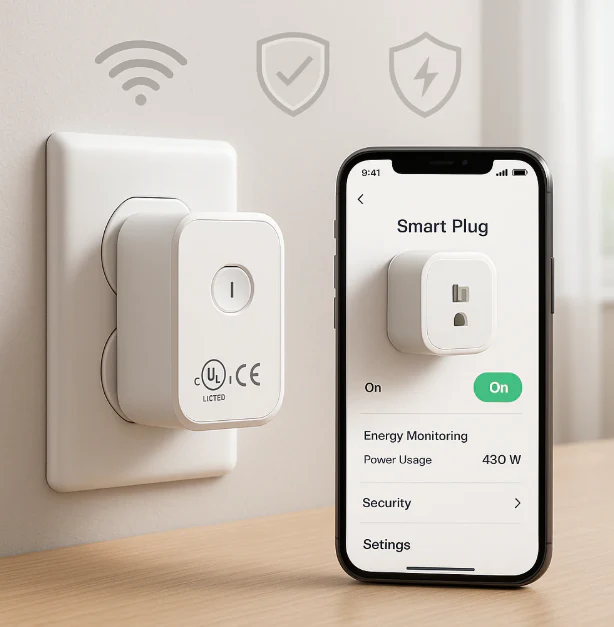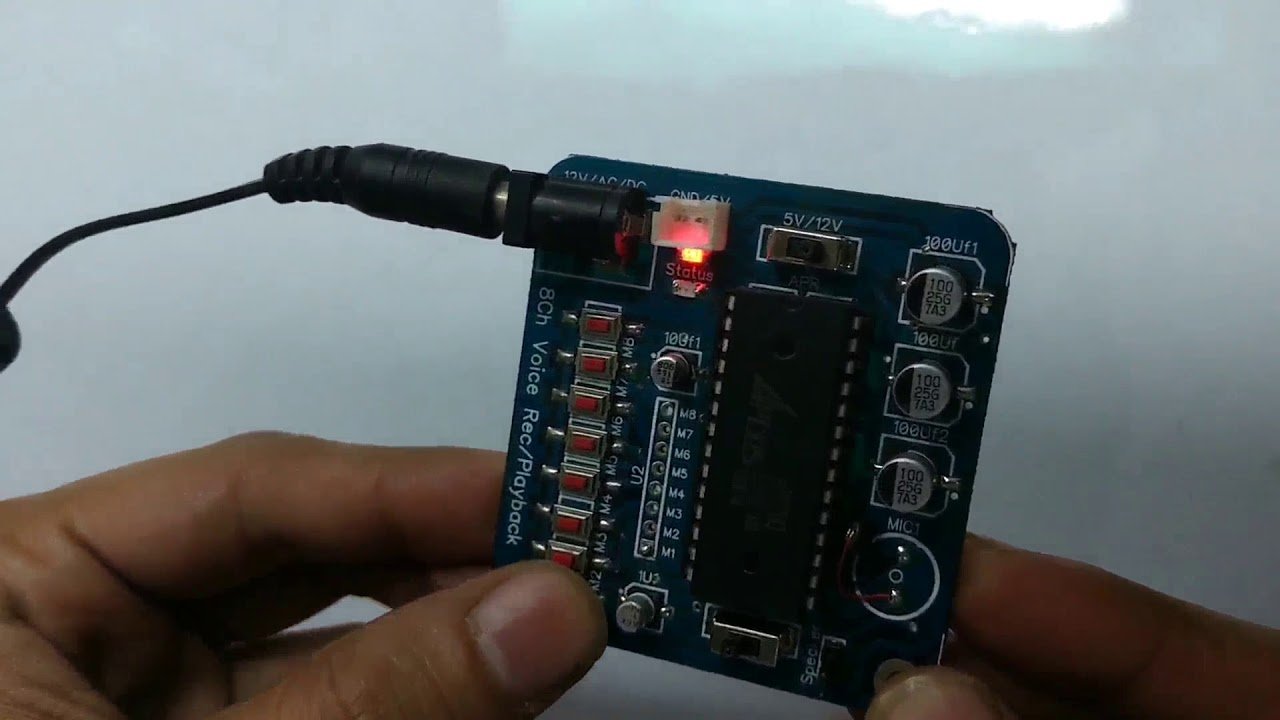
The term “recording chip” might sound technical, but it refers to a vital component at the heart of countless modern devices—from smartphones and voice recorders to surveillance systems and smart home gadgets. As our world grows increasingly digital, the demand for high-quality, compact, and energy-efficient recording chips continues to rise. In this article, we’ll explore what a recording chip is, how it works, its applications, and the latest innovations driving this technology forward.
What is a Recording Chip?
A recording chip is a microelectronic device designed to capture and store audio, video, or other forms of data. At its core, it integrates analog-to-digital converters (ADCs), memory units, signal processors, and sometimes wireless transmitters, all on a single semiconductor substrate. These chips are the brains behind any device that needs to record sound, images, or sensor data in a compact and efficient manner.
The Evolution of Recording Chips
The first recording chips were basic integrated circuits that could handle simple audio capture. Over the decades, advances in semiconductor manufacturing and digital signal processing (DSP) have transformed these chips into powerful, miniature data hubs. Modern recording chip offer high-fidelity audio and video capture, real-time processing, and advanced features such as noise cancellation, encryption, and wireless connectivity.
How Does a Recording Chip Work?
To understand the function of a recording chip, let’s break down its fundamental components:
1. Microphone or Sensor Interface
Most recording chips receive input from a microphone, camera sensor, or other transducer. This analog signal is the raw data the chip will process.
2. Analog-to-Digital Converter (ADC)
The ADC transforms the analog input into digital signals for processing and storage. The accuracy of this conversion determines the quality of the recording.
3. Digital Signal Processor (DSP)
Once digitized, the data passes through the DSP. Here, the chip can apply effects, filter out noise, compress data, or even recognize speech or patterns.
4. Memory Storage
The processed data is stored in onboard or external memory—either temporarily (buffering) or permanently (for playback or transfer).
5. Output and Connectivity
Finally, the recording chip may output data via wired connections (like USB) or wirelessly (Bluetooth, Wi-Fi) for playback, analysis, or uploading to the cloud.
Types of Recording Chips
Recording chips can be categorized based on their intended application:
- Audio Recording Chips: Found in voice recorders, smart speakers, hearing aids, and mobile devices. These chips prioritize sound fidelity, noise reduction, and low power consumption.
- Video Recording Chips: Used in cameras, camcorders, and smartphones. They handle both audio and high-resolution video data.
- Data Logger Chips: Designed for scientific instruments, medical devices, and environmental sensors. These chips record a variety of data types, often with specialized storage and security features.
Key Applications of Recording Chips
1. Consumer Electronics
Smartphones, tablets, and laptops all rely on advanced recording chips for voice memos, video calls, and multimedia recording. The miniaturization of these chips has enabled thinner, lighter devices with ever-improving audio and video quality.
2. Surveillance and Security
Security cameras and listening devices use specialized recording chips to capture high-quality evidence while remaining discreet and energy-efficient. Many chips in this category include real-time encryption to protect sensitive recordings.
3. Automotive Industry
Modern vehicles feature dashcams and advanced driver-assistance systems (ADAS) powered by robust recording chips. These record incidents, assist with parking, and improve overall safety.
4. Healthcare
Medical devices such as heart monitors, hearing aids, and sleep trackers employ recording chips to document vital data for diagnosis and analysis. These chips often need to meet stringent reliability and safety standards.
5. Industrial Monitoring
Factories and remote installations use data logger chips to record temperature, pressure, vibration, and other parameters. Such recordings help in predictive maintenance and quality assurance.
Recent Innovations in Recording Chip Technology
1. AI-Powered Chips
Artificial intelligence is revolutionizing recording chips. AI-enabled chips can recognize voices, filter background noise, and even transcribe speech in real time. These features are now common in smart speakers and virtual assistants.
2. Energy Efficiency
Modern recording chips are designed to consume minimal power, crucial for battery-operated devices. Techniques such as duty cycling and low-power sleep modes help extend device runtimes.
3. Miniaturization
Advances in semiconductor fabrication allow for smaller chips with more capabilities. This trend has led to ultra-compact devices like wearables, spy gadgets, and medical implants.
4. Enhanced Security
With the proliferation of cloud-based storage and data sharing, secure recording chips are in high demand. Features like on-chip encryption and secure boot processes protect recordings from unauthorized access.
5. Multi-Channel Recording
High-end recording chips can now handle multiple audio or video streams simultaneously, making them ideal for conference devices, surveillance systems, and professional audio equipment.
Choosing the Right Recording Chip
When selecting a recording chip for a project or product, consider the following factors:
- Audio/Video Quality: Look for high-resolution ADCs and effective noise cancellation.
- Power Consumption: Critical for mobile and wearable applications.
- Storage Capacity: Sufficient onboard or expandable memory for your recording length and quality.
- Security Features: Encryption and tamper detection may be necessary for sensitive data.
- Connectivity: Wired or wireless options depending on usage scenario.
- Form Factor: Size must fit within the target device without compromising functionality.
Challenges and Future Directions
Despite rapid progress, recording chip technology faces several challenges. Managing heat in high-performance chips, maintaining data security, and balancing quality with power efficiency are ongoing concerns. As the Internet of Things (IoT) expands, billions of new devices will rely on advanced recording chips, further pushing the need for scalable, affordable, and secure solutions.
Looking forward, expect to see even more intelligent chips with built-in AI for real-time processing, biometric voice authentication, and seamless integration with cloud platforms. Quantum and neuromorphic chips—though still in early stages—may one day redefine how we capture and interpret data.
Conclusion
Recording chips have become indispensable in our digital world, enabling a vast array of devices to capture, store, and process audio, video, and sensor data with unprecedented efficiency. Whether you’re a gadget enthusiast, engineer, or simply a curious observer, understanding how recording chips work and where they’re headed highlights just how central they are to our connected lives. As technology evolves, these tiny chips will continue to play an outsized role in shaping the future of audio and data recording.