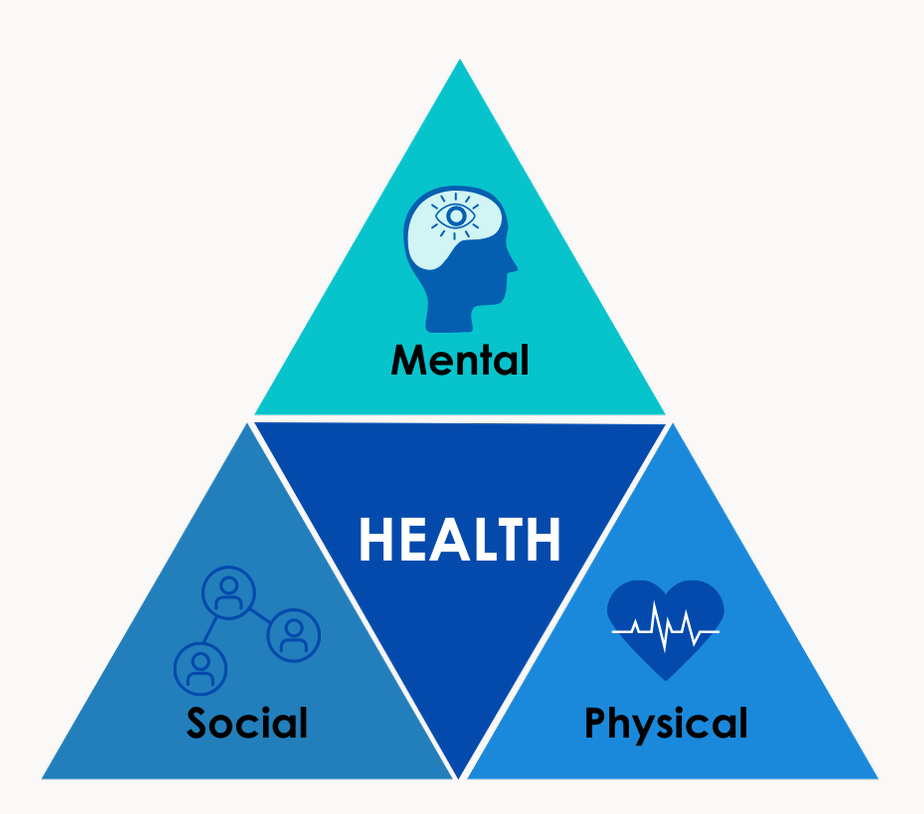
The concept of health goes far beyond the absence of disease. True well-being is the harmonious interplay of multiple dimensions of our lives. The health triangle—a simple yet powerful model—illustrates this holistic approach by dividing health into three interconnected sides: physical, mental/emotional, and social health. In this article, we explore the health triangle in detail, why balance matters, the impact of imbalances, and actionable strategies for lifelong wellness.
What is the Health Triangle?
The health triangle is a visual representation of total health. Each side represents a key aspect:
- Physical health: How well your body functions, including fitness, nutrition, sleep, and medical care.
- Mental/emotional health: Your ability to manage thoughts, feelings, and stress, as well as your overall psychological resilience.
- Social health: The quality of your relationships, communication skills, and support network.
The idea is that just like a triangle, if one side is weak or neglected, the whole structure becomes unstable. Maintaining a balance among these three sides is fundamental for true well-being.
The Sides of the Health Triangle
1. Physical Health
Physical health forms the foundation of the triangle. It refers to the state and functioning of your body, influenced by:
- Regular exercise
- Nutritious, balanced diet
- Sufficient sleep
- Preventive medical care (check-ups, screenings)
- Avoidance of harmful substances (tobacco, excessive alcohol)
When physical health is prioritized, you have more energy, lower risk of disease, and greater ability to participate in life’s activities. Neglecting this side can lead to fatigue, illness, and reduced quality of life.
2. Mental/Emotional Health
Mental/emotional health encompasses your thoughts, feelings, and ability to cope with stress. Key components include:
- Self-esteem and self-acceptance
- Stress management
- Recognizing and expressing emotions in healthy ways
- Resilience in the face of challenges
- Seeking help when needed (therapy, counseling)
A strong mental/emotional side means you can handle life’s ups and downs without being overwhelmed. Weakness in this area may result in anxiety, depression, or difficulty managing relationships and responsibilities.
3. Social Health
Social health is about your connections with others. It involves:
- Building and maintaining healthy relationships
- Effective communication
- Conflict resolution skills
- Giving and receiving support
- Engaging in community and social activities
A robust social health side provides a sense of belonging, reduces loneliness, and helps buffer the effects of stress. Poor social health can lead to isolation and hinder emotional and even physical well-being.
Why Balance Matters
All three sides of the health triangle are interdependent. For example:
- Chronic stress (mental/emotional) can weaken the immune system (physical).
- Poor physical health can make it hard to participate in social events, leading to isolation (social).
- Lack of social support can increase risk for mental health issues (mental/emotional).
When one side is neglected, the others often suffer as a result. That’s why striving for balance is crucial for overall wellness.
Signs of Imbalance in the Health Triangle
How can you tell if your health triangle is out of balance? Common signs include:
- Frequent illness or fatigue (physical)
- Persistent sadness, anxiety, or irritability (mental/emotional)
- Difficulty making or keeping friends, or feeling lonely (social)
Recognizing which side needs attention is the first step toward restoring equilibrium.
Strategies for Strengthening Each Side
Physical Health Tips
- Move your body daily—aim for at least 30 minutes of moderate exercise.
- Eat a variety of fruits, vegetables, lean proteins, and whole grains.
- Get 7–9 hours of quality sleep per night.
- Visit your healthcare provider for regular check-ups.
- Limit screen time and stay hydrated.
Mental/Emotional Health Tips
- Practice mindfulness or meditation to manage stress.
- Set realistic goals and celebrate progress.
- Journal or talk about your feelings with someone you trust.
- Seek professional help if you’re struggling with emotional challenges.
- Engage in hobbies and activities that bring you joy.
Social Health Tips
- Nurture existing relationships with friends and family.
- Join clubs, teams, or community groups to meet new people.
- Volunteer or help others to foster connection.
- Communicate openly and practice active listening.
- Set healthy boundaries in relationships.
The Health Triangle in Everyday Life
Let’s look at practical examples:
- A student who exercises regularly (physical), manages exam stress with breathing techniques (mental/emotional), and has a circle of supportive friends (social) is more likely to thrive than one who focuses on only one area.
- An adult feeling burned out at work may benefit from improving sleep and nutrition (physical), talking to a counselor (mental/emotional), and reconnecting with loved ones (social).
The Health Triangle for Different Ages
The balance of the health triangle can shift based on life stage:
- Children and Teens: Developing healthy habits, learning emotional regulation, and building friendships set the foundation for lifelong wellness.
- Adults: Balancing work, family, and self-care can be challenging, making attention to all three sides especially important.
- Seniors: Staying active, managing chronic conditions, maintaining social ties, and keeping a positive outlook are key to healthy aging.
Measuring Your Health Triangle
Assessing your own health triangle can help identify strengths and areas for growth. Try rating each side on a scale from 1–10, then reflect on what’s going well and what could improve. Setting small, attainable goals for the weaker side(s) is a practical way to move toward balance.
The Role of Schools and Workplaces
Schools and organizations play a significant role in supporting the health triangle. Comprehensive health education, mental health resources, social clubs, and wellness programs all contribute to well-rounded well-being. Creating environments that value all three sides helps individuals flourish.
Technology and the Health Triangle
Digital tools—from fitness trackers to mental health apps to online communities—can support each side of the health triangle. However, over-reliance on screens may disrupt sleep, reduce in-person interactions, or increase anxiety. Mindful use of technology is essential for sustaining balance.
Barriers to Balance (and How to Overcome Them)
Common obstacles include:
- Lack of time or motivation
- Stigma around mental or emotional health
- Social isolation or strained relationships
Addressing these barriers might involve setting a schedule, seeking support, or challenging negative beliefs about wellness. Remember, improving even one side of the triangle can create positive ripple effects across the others.
Conclusion: Embracing the Health Triangle
The health triangle is a powerful tool for understanding and achieving holistic well-being. By nurturing physical, mental/emotional, and social health in harmony, you can build a strong foundation for happiness and resilience throughout life. Check in with your own health triangle regularly, seek support when needed, and remember: balance is the key to lasting health.