Fuel lines are a critical component in every vehicle, responsible for transporting fuel from the tank to the engine. Over time, these lines may need to be removed for maintenance, replacement, or upgrades. However, removing fuel lines can be a daunting task without the right tools, and improper removal can result in damage to the fuel system or even cause dangerous fuel leaks. In this article, we’ll explore the various tools used to remove fuel lines, why they’re necessary, how to use them safely, and provide practical advice for both novice and experienced automotive enthusiasts.
Why Special Tools Are Needed for Fuel Line Removal
Modern vehicles use a variety of fuel line designs, including quick-connect fittings, spring-lock couplings, and hose clamps. These connections are engineered for safety and durability, but they can be difficult to disconnect without damaging the fittings or the fuel line itself. Using improper tools, such as pliers or screwdrivers, can distort or break connectors, leading to costly repairs and safety hazards. That’s why specialized fuel line removal tools exist—to detach these fittings efficiently, safely, and without causing damage.
Types of Fuel Line Removal Tools
1. Quick Disconnect Tools
One of the most common types of fuel line connectors is the quick disconnect fitting, which is often found in modern vehicles. Quick disconnect tools are specifically designed to release these fittings by compressing the retaining tabs or internal locking mechanisms.
- Plastic Disconnect Tools: These are usually U-shaped plastic tools that slip over the fuel line and release the locking mechanism inside the fitting. They come in various sizes to match different fuel line diameters.
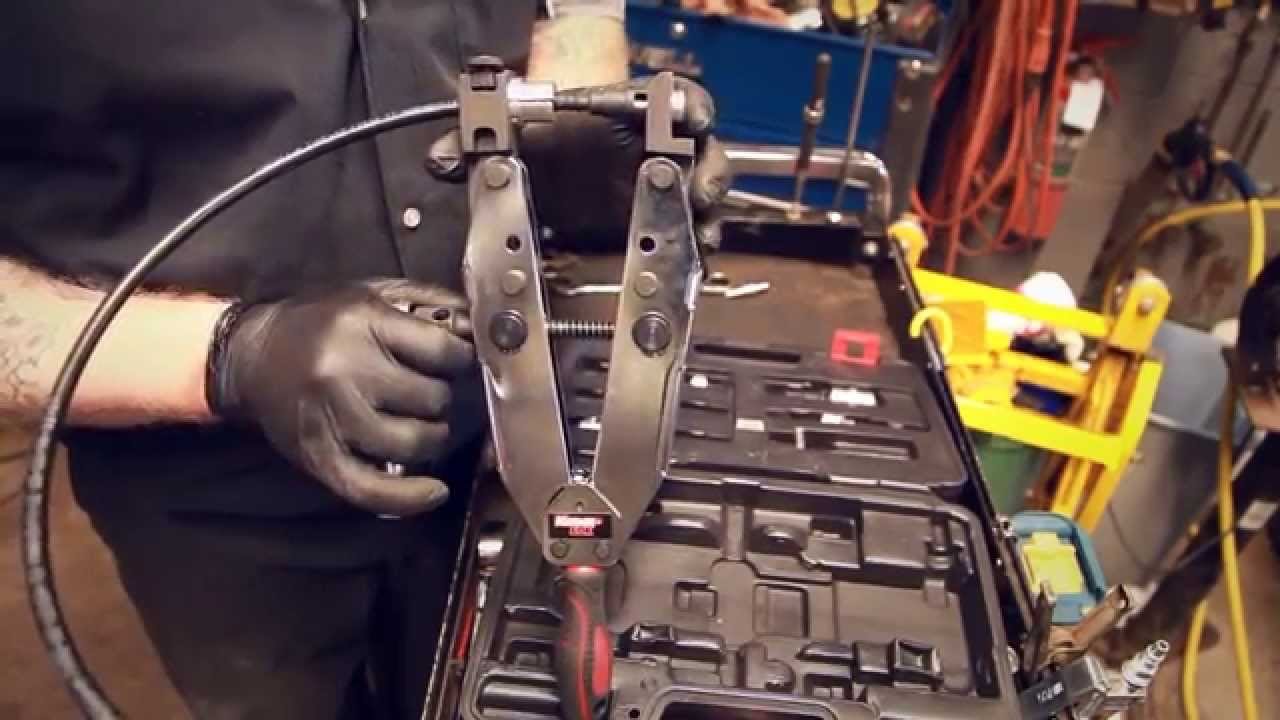
- Scissor-Style Disconnect Tools: These tools resemble a pair of scissors and are often made from metal for durability. They provide better leverage and are ideal for tight spaces.
- Multi-Size Disconnect Tool Sets: Professional mechanics often use sets that cover a range of sizes, ensuring compatibility with different makes and models.
2. Spring Lock Coupling Tools
Spring lock couplings are commonly used in Ford, GM, and Chrysler vehicles. A spring lock coupling tool is designed to expand the spring inside the fitting, allowing the fuel line to be separated.
- Circular Spring Lock Tools: These are ring-shaped tools that slide into the fitting and expand the internal spring, releasing the line.
- Dual-End Spring Lock Tools: Some tools feature two different sizes on each end for versatility.
3. Line Release Tool Kits
Many tool manufacturers offer comprehensive kits that include a variety of disconnect and release tools for fuel, air conditioning, and transmission lines. These kits are valuable for professionals who work on multiple types of vehicles.
4. Hose Clamp Pliers
Older vehicles may use traditional hose clamps to secure rubber fuel lines. Hose clamp pliers are designed with angled jaws and locking mechanisms to compress and hold the clamp open, making removal and installation much easier.
5. Pick and Hook Sets
While not always necessary, pick and hook tools can help gently pry connectors or release stuck tabs without damaging the plastic fittings.
Step-by-Step Guide: How to Use Fuel Line Removal Tools
Step 1: Ensure Safety First
- Always work in a well-ventilated area away from open flames or sparks.
- Wear safety goggles and gloves to protect yourself from fuel spray.
- Relieve the fuel system pressure by removing the fuel pump fuse or relay and running the engine until it stalls.
Step 2: Identify the Connector Type
- Inspect the fuel line and determine if it uses a quick disconnect, spring lock, or hose clamp.
Step 3: Select the Appropriate Tool
- Choose the correct size and type of removal tool for the connector.
Step 4: Insert the Removal Tool
- For quick disconnects: Slide the tool into the connector until it releases the retaining mechanism.
- For spring locks: Fit the circular tool around the line and push it into the fitting to expand the spring.
- For hose clamps: Use clamp pliers to compress and hold the clamp open.
Step 5: Gently Pull the Fuel Line Apart
- Once the connector is released, carefully separate the fuel line from the fitting. Be prepared for a small amount of fuel to drip out.
Step 6: Inspect and Reinstall
- Check both the line and the fitting for any signs of damage or wear. Replace O-rings or seals as needed before reinstallation.
Tips for Successful Fuel Line Removal
- Use the Right Size: Always match the removal tool to the fuel line diameter for effective and safe disconnection.
- Keep Tools Clean: Fuel and dirt can accumulate on tools, leading to poor performance or contamination.
- Replace Worn Parts: If any part of the connector or line is damaged during removal, replace it to prevent leaks.
- Label and Organize: If you’re removing multiple lines, label them to ensure correct reinstallation.
Top Brands and Recommended Tools
- Lisle: Known for durable and affordable quick disconnect tools and comprehensive kits.
- OEMTOOLS: Offers a variety of fuel line and A/C disconnect sets.
- Astro Pneumatic Tool: Provides quality spring lock and quick disconnect tool sets.
- GearWrench: Manufactures professional-grade hose clamp pliers and release tools.
When purchasing tools, consider the vehicles you’ll be working on and choose a set that covers the necessary sizes and connector types.
Safety Considerations When Working with Fuel Lines
- Fire Hazard: Fuel is highly flammable. Always disconnect the battery and keep fire extinguishers nearby.
- Fuel Pressure: Even after relieving pressure, residual fuel can spray out. Always wear eye protection.
- Ventilation: Fuel vapors can be harmful. Work in open or well-ventilated spaces.
- Proper Disposal: Dispose of any spilled fuel or old components according to local regulations.
When to Seek Professional Help
While many DIY enthusiasts can remove and replace fuel lines with the right tools and precautions, some situations require professional expertise:
- If the fuel system is under high pressure and you’re unsure how to safely relieve it.
- If you notice extensive corrosion, damage, or leaks.
- If special dealership-only tools are required for certain quick-connect fittings.
Conclusion
Removing fuel lines safely and efficiently requires the right tools for the job. Quick disconnect tools, spring lock coupling tools, hose clamp pliers, and comprehensive release kits are essential for anyone working on automotive fuel systems. By understanding the various connector types, selecting the correct tool, and following proper safety procedures, both professionals and DIYers can tackle fuel line removal with confidence. Investing in quality tools not only makes the job easier but also protects your vehicle’s critical fuel system components from unnecessary damage. Whether you’re performing routine maintenance or a major repair, having the proper tools to remove fuel lines is an indispensable part of modern automotive work.