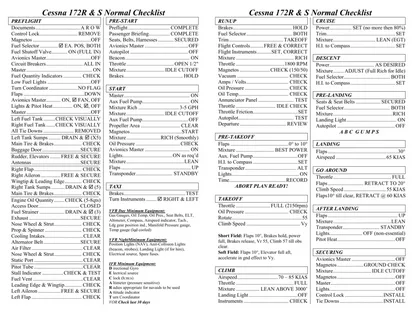
The Cessna 172 is one of the most popular single-engine aircraft in the world, praised for its reliability, ease of use, and forgiving flight characteristics. While it is renowned for its safety record, emergencies can still occur, making a thorough understanding of the Cessna 172 emergency checklist essential for every pilot. In this comprehensive guide, we’ll cover the critical elements of the Cessna 172 emergency checklist, provide context for each procedure, and offer best practices to ensure safety and preparedness in the cockpit. This article is designed for student pilots, instructors, and experienced aviators alike.
Why an Emergency Checklist is Critical
Emergencies can escalate quickly in aviation, and stress can make even experienced pilots forget crucial steps. The Cessna 172 emergency checklist provides a structured, logical sequence of actions to handle various scenarios—engine failure, fire, electrical issues, and more. Using and practicing the checklist improves your odds of a safe outcome.
Structure of the Cessna 172 Emergency Checklist
The official Cessna 172 emergency checklist, found in the Pilot’s Operating Handbook (POH), is divided into sections such as:
- Engine Failure (during takeoff, in flight, or after takeoff)
- Fires (engine, electrical, cabin)
- Electrical Failures
- Landing Emergencies (forced landing, ditching)
- Other (spin recovery, door open in flight, etc.) Each section follows a logical order: immediate actions (memory items), followed by more detailed steps as time allows.
1. Engine Failure Procedures
A. Engine Failure During Takeoff Roll
- Throttle – IDLE
- Brakes – APPLY
- Wing Flaps – RETRACT
- Mixture – IDLE CUT-OFF
- Ignition Switch – OFF
- Master Switch – OFF
Context: If the engine fails before liftoff, stop on the runway. Prioritize stopping the aircraft safely.
B. Engine Failure Immediately After Takeoff
- Airspeed – 65 KIAS (flaps up), 60 KIAS (flaps down)
- Mixture – IDLE CUT-OFF
- Fuel Shutoff Valve – OFF
- Ignition Switch – OFF
- Wing Flaps – AS REQUIRED
- Master Switch – OFF
Context: Land straight ahead; only turn if sufficient altitude and airspeed exist. Maintain best glide speed.
C. Engine Failure In Flight
- Airspeed – 65 KIAS
- Fuel Shutoff Valve – ON
- Fuel Selector Valve – BOTH
- Mixture – RICH
- Throttle – FULL
- Carburetor Heat – ON
- Ignition Switch – BOTH (or START if prop stopped)
- Primer – IN and LOCKED
Context: If the engine doesn’t restart, prepare for a forced landing. Communicate your emergency and location.
2. Fire Procedures
A. Engine Fire During Start
- Cranking – CONTINUE (to draw flames into engine) If engine starts:
- Power – 1700 RPM for a few minutes
- Engine – SHUTDOWN and inspect If engine does not start:
- Throttle – FULL OPEN
- Mixture – IDLE CUT-OFF
- Cranking – CONTINUE
- Fuel Shutoff Valve – OFF
- Fuel Pump – OFF
- Master Switch – OFF
- Ignition Switch – OFF
- Parking Brake – RELEASE
- Evacuate and extinguish fire
B. Engine Fire In Flight
- Mixture – IDLE CUT-OFF
- Fuel Shutoff Valve – OFF
- Master Switch – OFF
- Cabin Heat & Air – OFF
- Airspeed – 100 KIAS (increase as needed to extinguish fire)
- Forced landing – EXECUTE
C. Electrical Fire In Flight
- Master Switch – OFF
- All Other Switches (except ignition) – OFF
- Vents/Cabin Air/Heat – CLOSED
- Fire Extinguisher – ACTIVATE After fire is out:
- Vents – OPEN
- If power is needed: Master – ON one at a time to find faulty circuit
3. Electrical Failures
A. Alternator Failure (Low Voltage Light ON)
- Avionics – OFF
- Alternator Circuit Breaker – CHECK IN
- Master Switch – OFF (both sides), then ON
- Low Voltage Light – CHECK OFF
- Avionics – ON If light stays ON:
- Terminate flight, land as soon as practical
B. Complete Electrical Failure
- Use standby instruments and backup handheld radio if equipped
- Communicate emergency (squawk 7600 for lost comms)
- Prepare for landing without flaps or lights
4. Landing Emergencies
A. Forced Landing Without Engine Power
- Airspeed – 65 KIAS
- Landing Site – SELECT
- Mixture – IDLE CUT-OFF
- Fuel Shutoff Valve – OFF
- Ignition Switch – OFF
- Flaps – AS REQUIRED (usually FULL)
- Master Switch – OFF (just before landing)
- Doors – UNLATCH
- Touchdown – SLIGHTLY TAIL LOW
- Brakes – APPLY HEAVILY
B. Precautionary Landing with Power
- Airspeed – 60 KIAS
- Flaps – 20° on approach
- Select suitable field, fly over, note terrain/obstacles
- Radio – TRANSMIT position and intentions
- Avionics/Master Switch – OFF after landing
C. Ditching (Landing in Water)
- Radio – TRANSMIT mayday
- Heavy objects – SECURE or REMOVE
- Approach – 65 KIAS, flaps 20-30°
- Doors – UNLATCH before touchdown
- Touchdown – Level attitude
- Evacuate as quickly as possible
5. Other Emergencies
A. Spin Recovery
- Throttle – IDLE
- Ailerons – NEUTRAL
- Rudder – FULL OPPOSITE TO SPIN
- Elevator – FORWARD BRISKLY
- Once rotation stops: Rudder neutral, recover from dive
B. Door Open In Flight
- Airspeed – REDUCE to 85 KIAS
- Cabin Vents – CLOSE
- Windows – OPEN
- Land as soon as practical
Best Practices for Using the Emergency Checklist
- Know Your Memory Items: Practice and memorize immediate actions for the most critical emergencies.
- Keep the Checklist Accessible: The physical checklist should be within easy reach during every flight.
- Use a Flow, Then Verify: Perform memory steps first, then use the checklist to verify and complete all actions.
- Communicate Early: Declare emergencies with ATC promptly and provide your location and intentions.
- Practice Regularly: Simulate emergencies during recurrent training with a CFI.
Conclusion
A mastery of the Cessna 172 emergency checklist is vital for every pilot’s safety. Whether you’re a student or seasoned aviator, developing a habit of checklist discipline, regular practice, and a calm, systematic approach will prepare you to face the unexpected with confidence. Always review the specific checklist for your aircraft model and supplement your knowledge with real-world training and scenario-based practice.