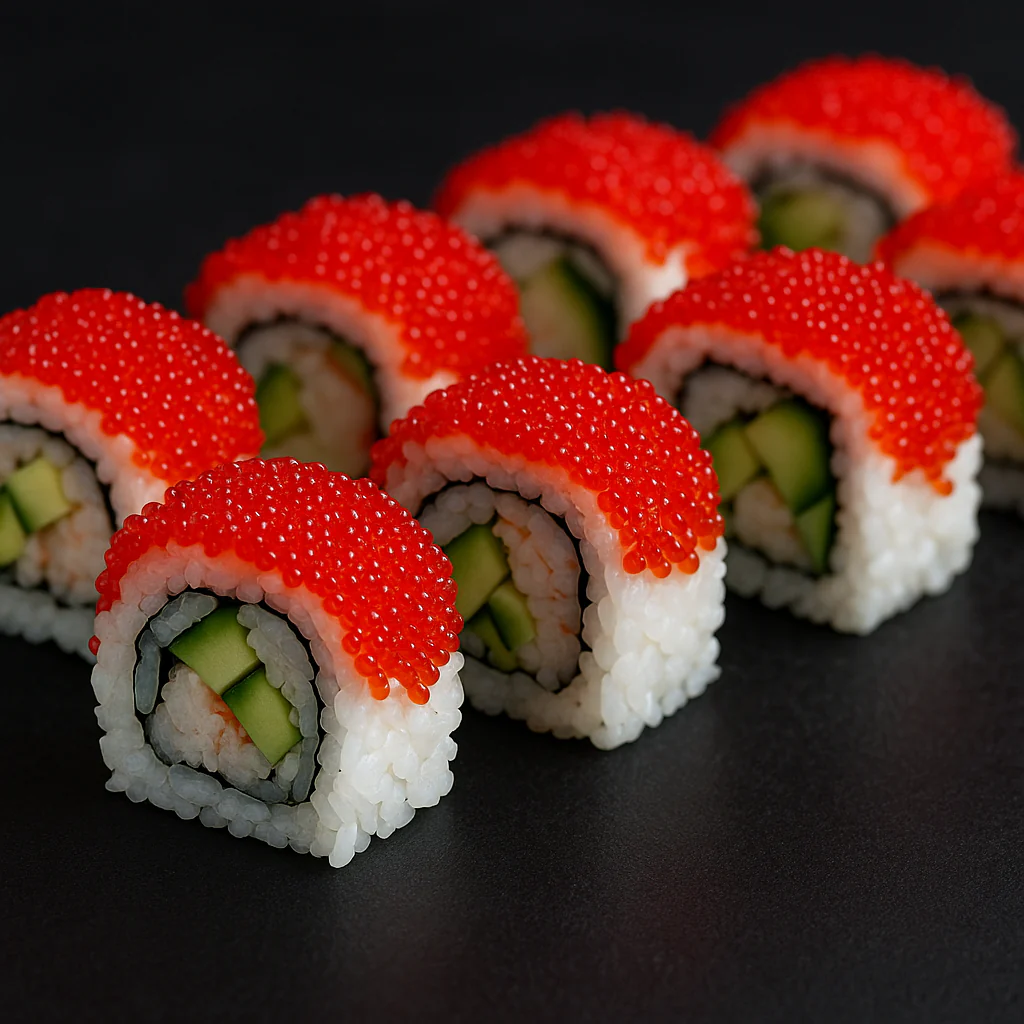
When it comes to premium rice varieties, few can match the reputation and allure of Thai Hom Mali Jasmine rice. Coveted by chefs and home cooks alike, this fragrant long-grain rice is a culinary treasure from Thailand, celebrated for its delicate aroma, soft texture, and subtle floral flavor. In this comprehensive article, we’ll explore the origins, unique qualities, cultural significance, health benefits, and tips for cooking with Thai Hom Mali Jasmine rice, as well as advice on selecting and storing this prized grain.
Origins and History of Thai Hom Mali Jasmine Rice
Thai Hom Mali Jasmine rice, often simply called “Jasmine rice,” is native to Thailand’s northeastern region, particularly the provinces of Surin, Buriram, and Sisaket. The name “Hom Mali” means “jasmine flower fragrance” in Thai, referring to the rice’s characteristic aroma reminiscent of blossoming jasmine. While rice has been cultivated in Thailand for thousands of years, the Hom Mali variety was officially recognized in the 1950s and quickly gained worldwide acclaim.
The unique climate and fertile soils of Thailand’s central and northeastern plains provide the perfect environment for growing this aromatic rice. Annual monsoon rains and traditional farming methods have been crucial to its success, and to this day, most Thai Hom Mali Jasmine rice is grown by smallholder farmers using sustainable practices.
What Makes Thai Hom Mali Jasmine Rice Unique?
Thai Hom Mali Jasmine rice stands out for several reasons:
- Aroma: The rice’s signature fragrance comes from a natural compound called 2-acetyl-1-pyrroline (2AP), which is also found in pandan leaves and jasmine flowers.
- Texture: When cooked, Jasmine rice is tender, moist, and slightly sticky, but each grain remains distinct.
- Flavor: The taste is subtle and slightly sweet, with floral undertones that pair beautifully with Thai and other Asian cuisines.
- Appearance: The grains are long, slender, and translucent, turning soft and slightly glossy when cooked.
Cultural Significance in Thailand and Beyond
In Thai culture, rice is more than just food—it’s an integral part of daily life and national identity. Hom Mali Jasmine rice is often served at celebrations, religious ceremonies, and family gatherings. It’s the rice of choice for many classic Thai dishes, including green curry, pad kra pao, and mango sticky rice.
Thailand is the world’s leading exporter of Jasmine rice, and the Hom Mali variety has received international recognition, including a Geographical Indication (GI) tag that protects its authenticity. When you buy genuine Thai Hom Mali Jasmine rice, you’re supporting a tradition that honors the land, the farmers, and the country’s rich culinary heritage.
Health Benefits of Thai Hom Mali Jasmine Rice
While Jasmine rice is not a whole grain, it offers several nutritional benefits:
- Gluten-Free: Suitable for people with celiac disease or gluten intolerance.
- Low in Fat and Sodium: Makes it a heart-friendly choice for balanced diets.
- Source of Energy: Rich in carbohydrates, providing fuel for daily activities.
- Contains Trace Minerals: Such as manganese and selenium, important for metabolic health.
Brown Jasmine rice, which retains the bran layer, offers additional fiber and nutrients, while still maintaining a fragrant aroma.
How to Identify Genuine Thai Hom Mali Jasmine Rice
Due to its popularity, imitations abound. To ensure you’re buying authentic Thai Hom Mali Jasmine rice:
- Look for the official seal from the Thai Ministry of Commerce or the “Thai Hom Mali Rice” logo on the packaging.
- Check the country of origin (it should say “Product of Thailand”).
- Examine the grains: they should be long, slender, and slightly translucent.
- Avoid rice that is overly white or chalky, which may indicate excessive polishing or lower quality.
Cooking with Thai Hom Mali Jasmine Rice
Jasmine rice is prized for its ease of preparation and versatility. To cook perfect Thai Hom Mali Jasmine rice:
- Rinse the Rice: Rinse 1-2 times in cold water to remove surface starch and prevent clumping.
- Water Ratio: Use about 1 1/4 to 1 1/2 cups water for every cup of rice.
- Cooking Methods: You can use a rice cooker, stovetop, or even a microwave. Bring water to a boil, reduce heat, cover, and simmer for about 15 minutes.
- Resting: Let the cooked rice rest for 5-10 minutes before fluffing with a fork.
Jasmine rice pairs perfectly with curries, stir-fries, grilled meats, and even desserts. Its subtle flavor won’t overpower main dishes, making it a staple in Asian and fusion cuisines.
Thai Hom Mali Jasmine Rice vs. Other Rice Varieties
- Basmati Rice: Native to India and Pakistan, Basmati is also aromatic but has a drier, fluffier texture and longer grains.
- Long-Grain White Rice: Less aromatic and with a firmer texture than Jasmine.
- Sticky (Glutinous) Rice: Used in Thai desserts; very sticky and chewy, different from Jasmine’s soft stickiness.
Jasmine rice’s unique combination of aroma, texture, and versatility sets it apart from other rice types.
Storing and Preserving Thai Hom Mali Jasmine Rice
To keep your rice fresh:
- Store in an airtight container in a cool, dry place.
- Use within 6-12 months for best flavor and aroma.
- Avoid storing near strong-smelling foods, as rice can absorb odors.
Buying Tips and Sustainability
Seek out reputable brands and stores, whether shopping in Asian markets, specialty food shops, or major supermarkets. Opt for rice with a recent harvest date if possible. Many Thai brands support fair trade and sustainable farming practices—look for certifications or information on the packaging.
Culinary Inspiration: Recipes Featuring Thai Hom Mali Jasmine Rice
Try these ideas at home:
- Thai green curry with Jasmine rice
- Pineapple fried rice
- Jasmine rice pilaf with herbs
- Mango sticky rice dessert
- Jasmine rice bowls with grilled vegetables and tofu
Conclusion: The Heart of Thai Cuisine
Thai Hom Mali Jasmine rice is more than just a side dish—it’s a symbol of Thai hospitality and culinary excellence. Whether you’re recreating authentic Thai recipes or exploring global flavors, choosing real Thai Hom Mali Jasmine rice will elevate your cooking and connect you to a tradition cherished around the world. Savor its aroma, enjoy its delicate bite, and celebrate the culture it represents every time you bring it to your table.