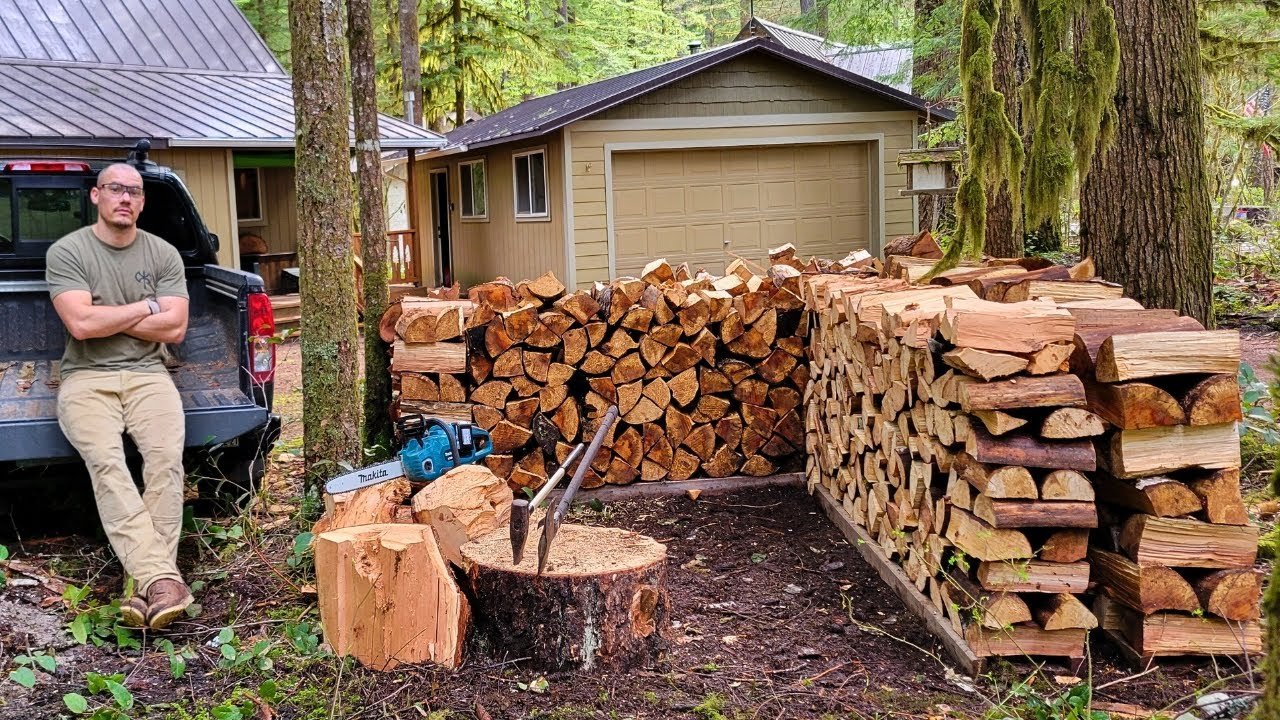
When temperatures drop and the craving for a cozy fire sets in, the search for “firewood near me” spikes in popularity. Whether you’re preparing for winter, planning a camping trip, or just want to enjoy a backyard bonfire, knowing where and how to buy quality firewood locally is essential. In this article, we’ll cover everything you need to know about finding firewood near you, what types to look for, how to ensure quality, and tips for safe, efficient burning.
Why Buy Local Firewood?
Buying firewood locally isn’t just a matter of convenience—it’s a smart choice for several reasons:
- Cost-Effective: Avoid high delivery fees and support local businesses.
- Environmental Impact: Prevent the spread of invasive pests and diseases by not transporting wood long distances.
- Freshness: Locally sourced wood is often better seasoned and suited for your region’s climate.
Where to Find Firewood Near You
1. Local Firewood Dealers
Many communities have independent firewood sellers who advertise online, in local newspapers, or through word of mouth. These businesses may offer pick-up or delivery options.
2. Garden Centers and Nurseries
Some garden centers and nurseries sell firewood, especially during the colder months. Their wood is often well-seasoned and ready to burn.
3. Hardware and Home Improvement Stores
Big-box stores like Home Depot, Lowe’s, and Ace Hardware typically carry bundles of firewood. While convenient, these bundles are usually more expensive per unit than bulk purchases from local suppliers.
4. Online Marketplaces
Websites like Craigslist, Facebook Marketplace, and Nextdoor are excellent resources for finding individuals or businesses selling firewood nearby. Always verify seller credibility and wood quality before purchasing.
5. Tree Services and Arborists
Companies that remove trees often have surplus wood available for sale. Some may even offer free firewood if you’re willing to haul it away and split it yourself.
6. Farms and Roadside Stands
In rural areas, you’ll frequently find firewood for sale at roadside stands or local farms, often at competitive prices.
What to Look for in Quality Firewood
When searching for “firewood near me,” it’s crucial to understand what makes good firewood. Not all wood is created equal; some burns hotter, longer, and cleaner than others.
Hardwoods vs. Softwoods
- Hardwoods (oak, maple, hickory, ash): Burn longer and hotter, produce less smoke, and are ideal for home heating.
- Softwoods (pine, spruce, fir): Ignite easily and burn quickly, making them suitable for kindling or outdoor fires.
Seasoned vs. Green Wood
- Seasoned Wood: Has been dried for at least 6-12 months and contains less than 20% moisture. It lights easily, burns efficiently, and produces less creosote.
- Green Wood: Freshly cut and high in moisture. It’s hard to ignite, smokes heavily, and can cause dangerous creosote buildup in chimneys.
Signs of Well-Seasoned Firewood
- Cracked ends
- Grayish color
- Lightweight for its size
- Makes a clear “clunk” when two pieces are knocked together
How Much Firewood Do You Need?
Firewood is typically sold by the cord (128 cubic feet), face cord, or by individual bundles. The amount you need depends on your intended use:
- Occasional backyard fires: A few bundles or a quarter face cord may suffice.
- Wood stove or fireplace heating: A full cord can last a month or more, depending on your usage and efficiency.
Questions to Ask Your Firewood Seller
Before purchasing, ask these key questions:
- Is the wood seasoned or green?
- What species of wood are you selling?
- How is the wood measured and priced (cord, face cord, bundle)?
- Do you offer delivery, and is it included in the price?
- Can I inspect the wood before buying?
Firewood Storage Tips
Proper storage is essential to keep your firewood dry, pest-free, and ready to burn.
- Stack wood off the ground using pallets or a rack.
- Cover the top of the stack with a tarp, but leave the sides open for airflow.
- Store firewood at least 30 feet away from your home to prevent pest problems.
- Bring in only as much wood as you’ll use in a short time to avoid bringing insects inside.
Firewood Safety and Burning Tips
- Never burn painted, treated, or manufactured wood (like plywood).
- Only burn properly seasoned wood to minimize smoke and creosote buildup.
- Clean your chimney annually if you use a wood-burning fireplace or stove.
- Use a fireplace screen or glass doors to contain sparks.
The Environmental Impact of Firewood
Burning wood for heat is considered carbon-neutral when harvested sustainably, as trees absorb carbon dioxide while growing. However, transporting firewood long distances can spread invasive species such as the emerald ash borer. Always buy firewood near you and avoid moving it across state or county lines.
The Benefits of Kiln-Dried Firewood
Some suppliers offer kiln-dried firewood, which is dried in a controlled environment to a lower moisture content. Benefits include:
- Lights easily and burns hot
- Minimal smoke and creosote
- Fewer pests and mold
Kiln-dried firewood is often more expensive but is a premium choice for indoor fireplaces and wood stoves.
Alternatives to Traditional Firewood
If you live in an area where firewood is scarce or want a cleaner burn, consider these alternatives:
- Compressed wood logs or bricks: Made from recycled wood waste; burn hot and clean.
- Pellets: Used in pellet stoves; efficient and low in emissions.
- Eco-logs: Made from renewable materials like sawdust, coffee grounds, or nutshells.
Finding Firewood Near Me: A Step-by-Step Guide
- Search Online: Use terms like “firewood near me,” “seasoned firewood for sale,” or “[your city] firewood.”
- Check Reviews: Look for sellers with positive feedback on Google, Facebook, or local directories.
- Compare Prices: Call a few suppliers to get quotes and ask about delivery fees.
- Visit in Person: If possible, inspect the firewood for quality before purchasing.
- Arrange Delivery or Pickup: Make sure you have a plan for transporting and storing your wood.
Conclusion
Finding quality firewood near you doesn’t have to be a challenge. By understanding your options, knowing what to look for, and supporting local businesses, you’ll be well-prepared for cozy nights by the fire. Remember to prioritize seasoned, local wood for the best experience—and always burn safely and responsibly.