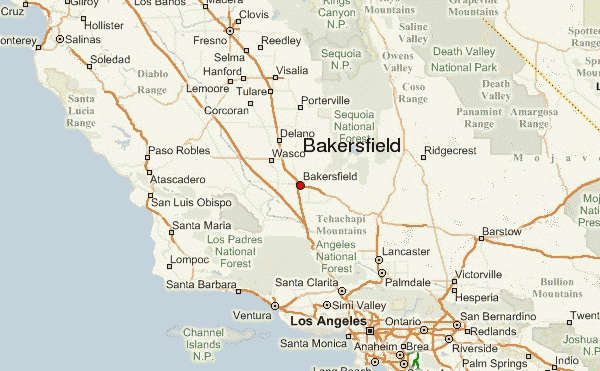
Bakersfield, California, sits at the southern end of the San Joaquin Valley, bordered by the Sierra Nevada to the east and the Coastal Ranges to the west. With its unique topography and location, Bakersfield weather is distinct and plays a significant role in the city’s lifestyle, agriculture, and economy. Whether you’re a local, a visitor, or simply researching the area, understanding Bakersfield’s weather patterns can help you plan your activities and appreciate the city’s climate. In this comprehensive guide, we’ll explore the seasonal trends, historical weather events, climate challenges, and tips for thriving in Bakersfield’s unique environment.
Year-Round Overview: What to Expect from Bakersfield Weather
Bakersfield enjoys a semi-arid climate, characterized by hot, dry summers and mild to cool winters. Sunshine is abundant, with the city averaging over 270 sunny days per year. Rainfall is scarce, and the area is known for its long stretches of dry weather, punctuated by brief, sometimes intense, winter storms.
Spring (March – May)
Spring in Bakersfield is a time of transition. Temperatures rise steadily, with March highs in the upper 60s to low 70s (°F) and May often reaching the mid-80s. Rain is possible, but typically light and infrequent. Wildflowers bloom in the nearby foothills, and air quality tends to improve after winter rains. Spring is considered one of the best times to visit or explore outdoor activities before the intense summer heat arrives.
Summer (June – August)
Summers in Bakersfield are famously hot and dry. Daytime highs regularly soar above 95°F (35°C), with July and August often experiencing triple-digit temperatures. Nighttime lows can remain in the 70s, offering limited relief. Rain is extremely rare, and humidity is generally low. Residents and visitors rely on air conditioning and seek shade during peak hours. Summer heatwaves are common, and the city occasionally issues heat advisories to ensure public safety.
Fall (September – November)
Autumn brings gradual cooling, but September can still feel summer-like, with highs in the 90s. By November, daytime temperatures drop into the 60s and 70s, and evenings become crisp. Rainfall slowly increases, but most days remain dry and sunny. Fall is an ideal season for outdoor festivals, hiking, and exploring Kern County’s agricultural offerings.
Winter (December – February)
Winters in Bakersfield are mild compared to most of the United States. Highs typically range from the upper 50s to mid-60s, and nighttime lows can dip into the 30s or 40s. Rainfall is concentrated in these months, though totals are modest—averaging 6 inches annually. Snow is extremely rare in the city itself but can be seen in the nearby mountains. Foggy mornings, known locally as “Tule fog,” are common and can impact driving conditions.
Notable Weather Patterns and Phenomena
Tule Fog
One of the defining features of Bakersfield weather in winter is Tule fog. This dense, ground-level fog forms in the valley after rain and cool nights. It dramatically reduces visibility, sometimes leading to hazardous driving conditions. Local authorities frequently issue fog advisories and urge caution when traveling early in the morning.
Drought and Water Conservation
Bakersfield, like much of California, faces challenges related to drought. Extended periods of below-average rainfall can stress water resources, impacting agriculture and daily life. The city has implemented water conservation measures, and residents are encouraged to use water wisely, especially during dry years.
Air Quality Concerns
The geography of Bakersfield contributes to air quality issues, particularly in summer and fall. The surrounding mountains can trap pollutants, and agricultural activity generates dust. During periods of high temperatures and low wind, ozone levels can rise, prompting air quality alerts. Sensitive groups, such as children or those with respiratory conditions, are advised to limit outdoor activity on poor air quality days.
Historical Weather Events in Bakersfield
While Bakersfield’s weather is generally predictable, occasional extremes do occur. The record high temperature is 118°F, set in July 1908, while the record low is 18°F, recorded in January 1913. The city has also seen rare but notable rain events, such as the heavy storms of 1997 and 2011, which caused localized flooding. Snowfall is a true rarity, but a dusting was recorded as recently as 1999.
How Bakersfield Weather Shapes Local Life
Agriculture
The San Joaquin Valley is one of the most productive agricultural regions in the world, and Bakersfield’s weather is central to its success. Long, hot summers and a lengthy growing season allow for multiple crops and abundant harvests. However, drought and extreme heat can threaten yields, making weather monitoring essential for local farmers.
Outdoor Recreation
Residents and visitors take advantage of Bakersfield’s many sunny days to enjoy hiking, cycling, and nearby lakes. Spring and fall are peak seasons for outdoor events, while summer activities often shift to early morning or evening to avoid the heat.
Energy Consumption
The intense summer heat drives high energy usage, as air conditioning becomes a necessity. The city and utility providers run public awareness campaigns to promote energy conservation and prevent outages during peak demand.
Tips for Thriving in Bakersfield’s Weather
- Stay Hydrated: Especially during summer, drink plenty of water and avoid strenuous activity during the hottest parts of the day.
- Dress Appropriately: Light, breathable clothing and sun protection are musts in the summer, while layers are helpful in winter.
- Monitor Air Quality: Check local air quality indexes, especially if you have respiratory concerns.
- Plan for Fog: Allow extra travel time during winter mornings, and use fog lights and caution when driving.
- Conserve Water and Energy: Follow local guidelines for water use and energy conservation, particularly during drought or heatwaves.
The Best Times to Visit Bakersfield
If you’re planning a trip, spring (March to May) and fall (September to November) offer the most comfortable weather for exploring. These seasons feature mild temperatures, minimal rain, and clear skies—perfect for attending local festivals, visiting parks, or enjoying the city’s thriving arts and music scene.
Climate Change and the Future of Bakersfield Weather
Like many places, Bakersfield faces uncertainties related to climate change. Scientists project that the region will see more extreme heat days, longer droughts, and potentially more intense winter storms. Local government and community organizations are taking steps to adapt, including investing in sustainable water management and increasing green spaces to combat urban heat.
Conclusion
Bakersfield weather is a defining aspect of life in this vibrant California city. Understanding its patterns—from the searing summer heat to the cool, foggy winters—can help residents and visitors alike make the most of what Bakersfield has to offer. Whether you’re enjoying agricultural bounty, outdoor adventures, or simply soaking up the sun, being weather-wise ensures that you experience the best of Bakersfield, no matter the season.