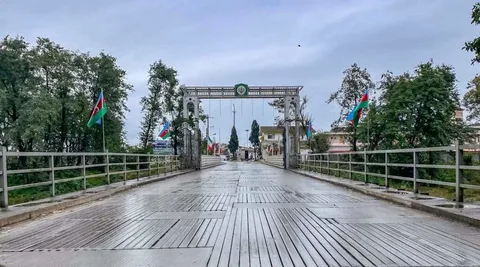
The Astara border crossing, straddling the border between Iran and Azerbaijan along the Caspian Sea, is one of the most important land checkpoints in the South Caucasus. Serving as a critical conduit for trade, travel, and diplomacy, Astara has played a pivotal role historically and continues to shape the economic and cultural landscape of this region. In this comprehensive article, we explore the history, logistics, economic significance, challenges, and traveler experience at the Astara border crossing, offering a thorough understanding for tourists, traders, and policymakers alike.
1. Geographic and Strategic Significance
Located at the southern tip of Azerbaijan and the northern edge of Iran, Astara is split into two towns—Astara, Azerbaijan, and Astara, Iran—separated by a river and the official border. The crossing is situated along the Caspian Sea coast, about 300 kilometers from Baku and approximately 500 kilometers from Tehran. Its unique position makes it a crucial transit point for goods and people moving between the Caucasus, Central Asia, and the Middle East.
The border area is not only a passage but also a cultural melting pot, where Persian and Azerbaijani influences meet and blend.
2. Historical Background
Astara’s border has been a gateway for centuries. As part of the ancient Silk Road, it facilitated trade between Persia, the Caucasus, and beyond. Over time, shifting empires and changing borders have seen Astara under Russian, Persian, and Azerbaijani control, each leaving their mark on the architecture, demographics, and culture.
The modern border was formalized in the 19th and 20th centuries through treaties between Russia, Persia (Iran), and later, the Soviet Union. After Azerbaijan’s independence in 1991, Astara became a principal international checkpoint, cementing its role in regional affairs.
3. Economic Importance
Trade and Transport
Astara is a vital hub for trade between Iran and Azerbaijan, as well as a key node on international transit corridors linking Russia, Turkey, the Caucasus, and the Persian Gulf. The crossing is part of the International North-South Transport Corridor (INSTC), a multi-modal route designed to facilitate freight movement between India, Iran, Russia, and Europe.
Major exports from Iran through Astara include agricultural products, chemicals, textiles, and manufactured goods, while Azerbaijan exports oil, machinery, and agricultural commodities. The daily flow of trucks, trains, and private vehicles makes Astara one of the busiest border crossings in the region.
Free Trade Zone
The city of Astara, Iran, includes a free trade and industrial zone, attracting investment and encouraging cross-border commerce. Shoppers from both sides flock to markets, taking advantage of duty-free goods and diverse products.
4. The Border Crossing Process: What to Expect
Travelers crossing at Astara experience a relatively straightforward process, though procedures can fluctuate based on regional politics or health concerns (such as during the COVID-19 pandemic).
Documentation
- Valid passport and, for most travelers, a visa for the destination country
- Customs declarations for goods
- Vehicle documents if crossing by car
Customs and Security
- Inspection of luggage and vehicles
- Health checks (when required)
- Interviews or questioning, especially for first-time visitors or commercial drivers
Crossing on Foot, By Car, or Train
- Pedestrian travelers typically pass through separate gates.
- The border is equipped for car and bus traffic, with waiting times varying by season or time of day.
- Astara is also an important rail crossing point, connecting Iran’s rail network with the South Caucasus.
5. Recent Developments and Upgrades
In response to growing trade volumes, both Azerbaijan and Iran have invested in infrastructure upgrades at Astara. Recent years have seen the expansion of customs facilities, modernization of the rail connection, and improvements in road access. The opening of the Astara-Astara railway link in 2018 was a milestone, enhancing freight capacity and efficiency.
Efforts to digitize customs procedures and reduce bureaucracy have also improved the experience for traders and travelers alike.
6. Challenges and Geopolitical Complexities
While Astara is a symbol of cooperation, it is not immune to regional tensions. Disputes over tariffs, customs, or political relations can lead to temporary closures or stricter controls. The border has occasionally closed due to military or diplomatic incidents, and travelers are advised to check the latest news before planning a crossing.
Additionally, smuggling and illegal trade remain issues, prompting both sides to maintain robust security and surveillance.
7. Local Culture and Traveler Tips
Astara is known for its hospitality, with both Iranian and Azerbaijani towns offering a blend of Persian and Turkic cuisines, traditional markets, and scenic views of the Caspian coast and lush mountains. Language barriers are minimal, as many locals speak both Azerbaijani and Persian, with some Russian and English in tourist areas.
Tips for Travelers:
- Carry all necessary documents and check visa requirements in advance.
- Be patient, as border wait times can vary.
- Respect local customs and dress codes, especially on the Iranian side.
- Enjoy the local cuisine and markets—Astara is famous for its fresh fish, produce, and sweets.
8. The Future of Astara Border Crossing
Plans are underway to further develop Astara’s role in Eurasian trade, with investment in logistics centers, expanded rail links, and streamlined customs procedures. The crossing is expected to play a growing role as a link between the Middle East, the Caucasus, and Europe, especially as regional infrastructure projects mature.
Conclusion
The Astara border crossing is far more than a line on a map—it is a living, dynamic gateway that connects not only two countries but also diverse cultures, economies, and histories. As an essential route for trade and travel, Astara continues to evolve, balancing cooperation and complexity in a region where borders have always been both bridges and barriers. For travelers and traders alike, understanding Astara’s importance is the key to unlocking the opportunities and experiences that lie beyond the checkpoint.