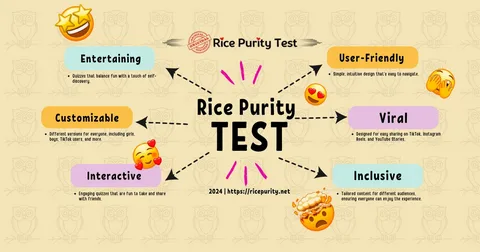
The internet is a breeding ground for trends, quizzes, and viral challenges, but few have achieved the iconic cult status of the Rice Purity Test. Whether you’re a college freshman bonding with new friends or someone simply curious about your own life experiences, the Rice Purity Test has become a rite of passage for many. But what exactly is this test, how did it originate, and why has it become so popular? In this comprehensive article, we’ll explore the history, purpose, structure, and cultural impact of the Rice Purity Test, as well as the controversies and discussions it has sparked over the years.
What is the Rice Purity Test?
The Rice Purity Test is a self-graded survey that asks participants to check off a list of life experiences, most of which are associated with youthful mischief, romantic encounters, and adult behaviors. The score generated is meant to reflect one’s level of “purity,” or innocence, with a higher score indicating fewer “worldly” experiences. It’s not a scientific assessment but rather a conversation starter and a tool for self-reflection and social bonding.
The Origins: Rice University and Its Traditions
The test originated at Rice University in Houston, Texas, during the 1980s. It was first used as part of student orientation, aiming to help incoming freshmen break the ice and foster camaraderie. Over the years, the test evolved and spread beyond the university, eventually making its way to the internet. Today, it exists in numerous forms, but the most widely recognized version is a 100-question checklist.
Structure and Content of the Test
The Rice Purity Test comprises 100 yes-or-no questions, each relating to various behaviors or experiences. These range from the innocent (“Held hands romantically”) to the risqué (“Engaged in sexual activity in public”) and even the illegal (“Used hard drugs”). Participants tick off the experiences they have had, and the resulting score is calculated by subtracting the number of checked items from 100. Thus, a score of 100 means total innocence, while 0 indicates complete “worldliness.”
Common Categories in the Test
- Romantic and Sexual Experiences: Many questions revolve around dating, kissing, relationships, and sexual activity.
- Substance Use: Items about alcohol, tobacco, and other drugs are prevalent.
- Law and Rule Breaking: Questions may reference acts that break laws or school rules, from minor pranks to more serious offenses.
- Social Activities: Some questions address parties, clubs, or social gatherings.
Why Has the Rice Purity Test Become So Popular?
- Nostalgia and Tradition: For college students and alumni, taking the Rice Purity Test is a nostalgic nod to their formative years.
- Social Bonding: It serves as a fun, light-hearted way to learn about friends and break down social barriers.
- Viral Appeal: The simplicity of the test and the curiosity it sparks have helped it spread rapidly on social media platforms like TikTok, Twitter, and Reddit.
- Anonymity and Honesty: Since the test is usually self-administered and anonymous, participants may feel more comfortable being honest.
The Cultural Impact
The Rice Purity Test has transcended its roots at Rice University. It is now referenced in pop culture, with memes, videos, and even adaptations for different groups (such as high school versions or themed quizzes). The test has also sparked discussions about generational differences, changing social norms, and the way young people relate to taboo topics.
A Rite of Passage
For many, especially in the United States, taking the Rice Purity Test is seen as a rite of passage. College dorms and friend groups often use it as an icebreaker or a way to foster group cohesion. It’s not uncommon for people to compare scores, joke about their answers, and use the results as a springboard for stories.
Online Communities and Sharing
The test’s popularity online has led to the creation of dedicated websites, discussion forums, and social media challenges. People share their scores on platforms like TikTok and Twitter, sometimes using their results to reflect on personal growth or to bond with others who have similar experiences.
Criticisms and Controversies
Despite its popularity, the Rice Purity Test is not without its critics. Some of the main concerns include:
- Reinforcing Stereotypes: Some argue that the test promotes unhealthy attitudes toward sex, substance use, and other behaviors, pressuring individuals to conform to certain standards.
- Privacy Issues: Though intended to be anonymous, peer pressure in group settings can make participants uncomfortable sharing sensitive information.
- Lack of Inclusivity: The test reflects a particular set of cultural norms, and some questions may not apply to people from different backgrounds or identities.
- Trivializing Serious Topics: Critics say that placing serious or potentially traumatic experiences alongside trivial ones can minimize their significance.
How to Use the Rice Purity Test Responsibly
If you decide to take the Rice Purity Test, it’s important to remember its original purpose: fostering connection, not judgment. Here are a few tips:
- Keep it Light: Use the test as a fun way to get to know others, not as a serious assessment of character.
- Respect Privacy: No one should feel obligated to share their score or specific answers.
- Be Sensitive: Recognize that some questions may touch on sensitive experiences for others.
- Understand Limitations: The test is not comprehensive or scientific; it’s just a conversation starter.
Modern Variations and Spin-Offs
As with many internet trends, the Rice Purity Test has inspired numerous imitations and spin-offs. There are now versions tailored to high school students, as well as quizzes focusing on specific topics like gaming, fandoms, or particular subcultures. These adaptations continue to keep the spirit of the original alive while making the test more relevant for different groups.
The Rice Purity Test in the Age of Social Media
Social media has played a significant role in the test’s resurgence. Viral challenges encourage users to post their scores, create reaction videos, or compare results with friends. This mass participation has helped the test remain relevant, especially among younger generations.
Conclusion: More Than Just a Score
The Rice Purity Test is more than a quirky internet quiz; it’s a cultural touchstone that reflects changing attitudes toward youth, freedom, and self-expression. While it’s not a scientific tool and should not be taken too seriously, it continues to spark conversations, foster connections, and provide a window into how young people see themselves and each other. As long as it’s approached with sensitivity and humor, the Rice Purity Test will likely remain a beloved—and debated—part of internet culture for years to come.