Wildfires have long been a defining feature of the Southern California landscape, and Los Angeles is no stranger to their devastating effects. From the chaparral-covered hills of Malibu to the sprawling neighborhoods that hug the mountains, LA fires have shaped the region’s history, ecology, and communities. As climate change intensifies and population growth continues, understanding the causes, history, and consequences of LA fires is more important than ever. This article examines the origins of wildfires in Los Angeles, significant fire events, contributing factors, and the ongoing efforts to prevent and manage these blazes.
The Natural History of Fires in Los Angeles
Long before Los Angeles became a global metropolis, wildfires were a natural part of the region’s ecosystem. Southern California’s Mediterranean climate—characterized by hot, dry summers and mild, wet winters—creates ideal conditions for periodic fires. Native plants like chaparral, sagebrush, and oak trees have adapted to fire, with some species even relying on it for regeneration. Indigenous peoples, such as the Tongva, used controlled burns to manage land and encourage plant growth.
However, the frequency and intensity of wildfires have dramatically increased since the arrival of European settlers and the rapid urbanization of the area. Today, wildfires in LA are more destructive, more frequent, and often fueled by human activity.
Notable Wildfires in Los Angeles History
Los Angeles has experienced several catastrophic fires that have left lasting marks on the city and its surrounding communities:
-
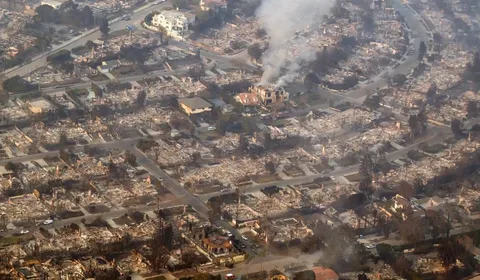
Bel Air Fire (1961): One of the most infamous fires in LA history, the Bel Air Fire destroyed nearly 500 homes and forced thousands to evacuate. It served as a wake-up call regarding the dangers of building in fire-prone areas.
-
Station Fire (2009): This massive blaze in the Angeles National Forest consumed over 160,000 acres, making it one of the largest fires in LA County’s history. It claimed the lives of two firefighters and destroyed dozens of homes.
-
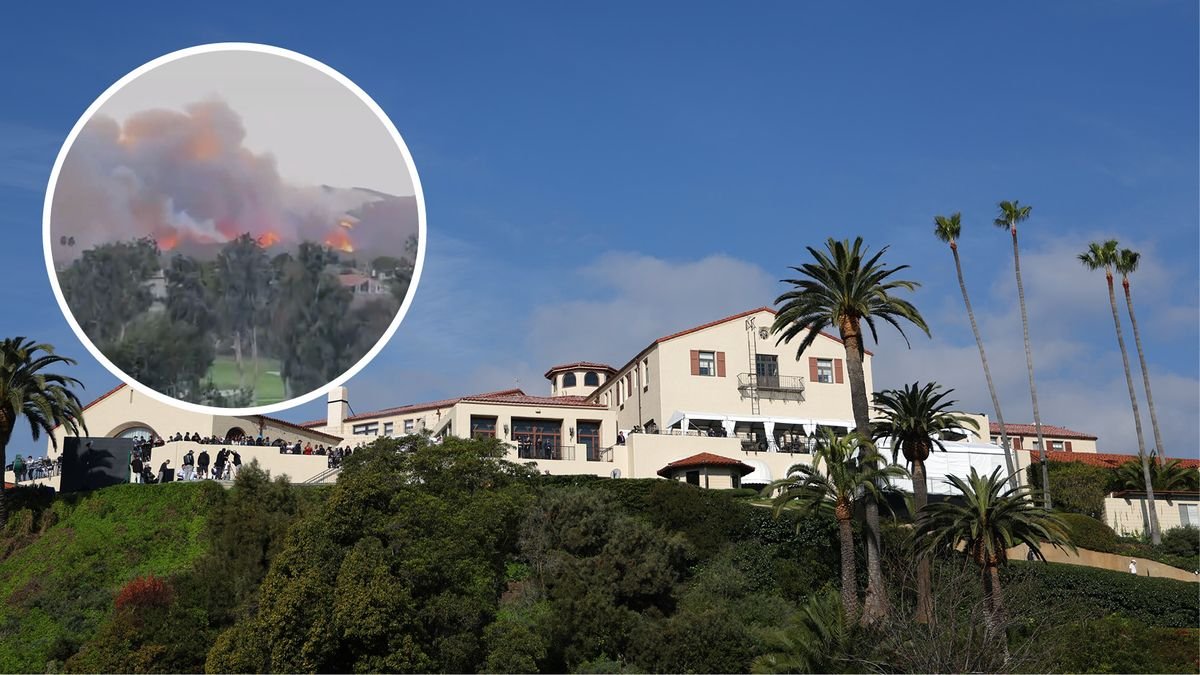
Woolsey Fire (2018): The Woolsey Fire burned nearly 97,000 acres across Los Angeles and Ventura counties, destroying over 1,600 structures and prompting the evacuation of hundreds of thousands of residents, including celebrities in Malibu.
-
Getty Fire (2019): Sparked by a broken tree branch striking a power line, the Getty Fire forced thousands from their homes and threatened iconic landmarks like the Getty Center.
These fires, among many others, underscore the ongoing threat that wildfires pose to the greater LA area.
Causes and Contributing Factors
Several factors contribute to the severity and frequency of LA fires:
-
Climate and Weather: LA’s hot, dry summers create a perfect environment for wildfires. The infamous Santa Ana winds—strong, dry gusts that blow from the desert—can rapidly spread flames and make fires difficult to control.
-
Vegetation: The dense chaparral and brush that cover the hills around Los Angeles are highly flammable. Drought, increasingly common due to climate change, dries out plants and makes them even more susceptible to burning.
-
Urban Development: As LA’s population grows, homes and businesses are built closer to fire-prone wildlands. This “wildland-urban interface” increases the risk to life and property and complicates firefighting efforts.
-
Human Activity: Many LA fires are caused by human actions—both accidental and intentional. Downed power lines, campfires, fireworks, and arson are frequent culprits.
-
Climate Change: Rising temperatures and prolonged droughts, both driven by global climate trends, are making wildfires more frequent and more severe. The fire season now lasts longer, and fires can ignite at almost any time of year.
The Impact of LA Fires
The consequences of wildfires in Los Angeles are far-reaching:
-
Loss of Life and Property: Fires can cause tragic fatalities and destroy thousands of homes, businesses, and cultural landmarks. Recovery can take years, and some communities never fully rebuild.
-
Air Quality and Health: Wildfires produce vast amounts of smoke and ash, leading to hazardous air quality. Residents may experience respiratory problems, and vulnerable populations—such as children, the elderly, and those with pre-existing conditions—face increased health risks.
-
Ecological Damage: Fires can devastate local ecosystems, killing wildlife and destroying habitats. While some plants and animals can recover or even thrive after fires, invasive species can move in, altering the landscape.
-
Economic Costs: The costs of fighting fires, evacuating residents, rebuilding infrastructure, and managing health impacts run into billions of dollars.
Firefighting and Prevention Efforts
Los Angeles has developed sophisticated systems to detect, fight, and prevent wildfires. The Los Angeles Fire Department (LAFD), along with state and federal agencies, uses ground crews, helicopters, and air tankers to battle blazes. Firefighters undergo rigorous training, and many are specially equipped to work in difficult terrain.
Prevention is a critical focus. Efforts include:
- Vegetation Management: Clearing brush, creating defensible space around homes, and conducting controlled burns help reduce fuel for fires.
- Building Codes: Stricter regulations require fire-resistant materials and design features for homes in vulnerable areas.
- Public Education: Outreach programs teach residents how to prepare for wildfires, create evacuation plans, and stay informed during emergencies.
Community Resilience and Preparedness
In recent years, the emphasis has shifted toward building community resilience. Neighborhood groups, local governments, and non-profit organizations work together to:
- Develop early warning systems and evacuation routes
- Organize community fire drills
- Support recovery and mental health services after disasters
Residents are encouraged to assemble emergency kits, sign up for alert systems, and participate in community preparedness programs.
The Future of LA Fires: Adapting to a Changing Climate
As climate change accelerates, LA’s fire risk is expected to grow. Policymakers, scientists, and community leaders are working to develop new strategies for adaptation and mitigation. These include:
- Investing in advanced fire detection technologies
- Expanding forest management and restoration projects
- Supporting research on climate resilience
- Advocating for policies that address greenhouse gas emissions
Conclusion
LA fires are a complex and persistent challenge, shaped by geography, climate, and human activity. Their impact touches every aspect of life in Southern California—from public health and safety to ecological balance and economic stability. By understanding the history, causes, and consequences of wildfires, and by investing in prevention, preparedness, and climate action, Los Angeles can work toward a safer and more resilient future. As the threat of wildfires continues, the spirit of community, innovation, and determination will be crucial in facing the fires ahead.