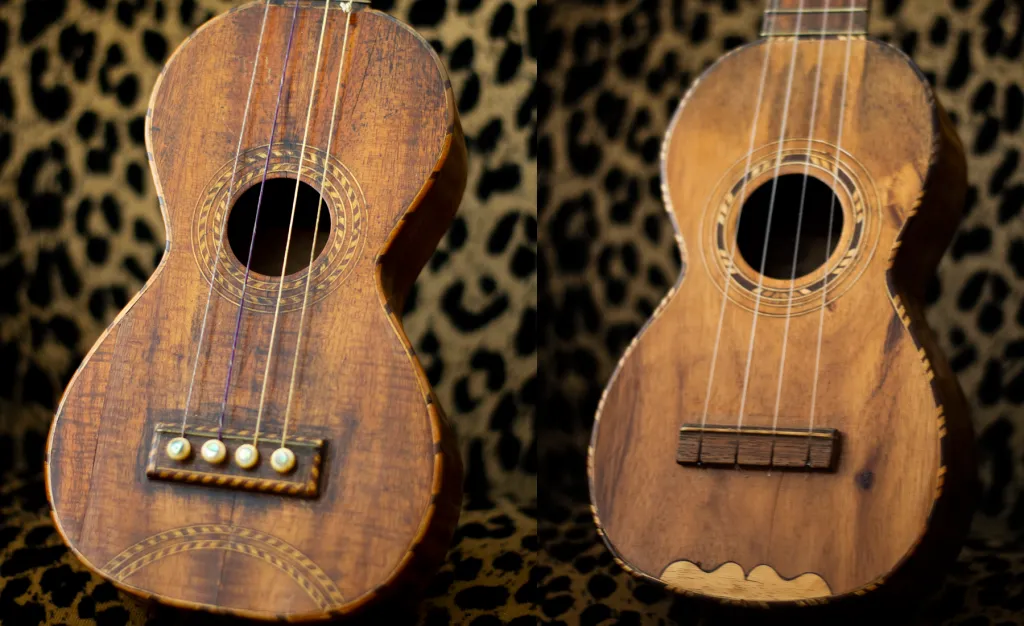
The ukulele is a small, four-stringed instrument with a charming sound and a rich, fascinating history. Though often associated with Hawaiian music and culture, the ukulele’s story is one of migration, adaptation, and global appeal. This 1200-word article explores the origins, evolution, and cultural impact of the ukulele, illuminating how it became a beloved musical instrument around the world.
Origins: Portuguese Beginnings
The ukulele’s journey begins far from the Hawaiian Islands, in the Madeira and Azores archipelagos of Portugal. In the 19th century, a small, guitar-like instrument called the machete (also known as the braguinha or cavaquinho) was popular in Portuguese folk music. The machete featured a compact body, four metal strings, and a bright, lively tone—qualities that would later define the ukulele.
In 1879, the Hawaiian sugar industry was booming, and labor was in high demand. That year, the British ship Ravenscrag arrived in Honolulu, carrying more than 400 Portuguese immigrants, many from Madeira, to work in the sugarcane fields. Among them were skilled musicians and craftsmen, including Manuel Nunes, José do Espírito Santo, and Augusto Dias. These men brought their machetes and their musical traditions to Hawaii.
The Birth of the Ukulele in Hawaii
The Portuguese immigrants’ music captivated the Hawaiian people. The machete’s cheerful sound and lively strumming quickly won fans. Local audiences were so enchanted by the instrument that, according to legend, they named it “ukulele,” which translates to “jumping flea” in Hawaiian—perhaps a reference to the rapid movement of the players’ fingers.
Manuel Nunes, José do Espírito Santo, and Augusto Dias began building and refining the instrument, blending elements of the machete with Hawaiian woods and craftsmanship. The new instrument retained the small size and four strings but featured a slightly different shape and construction. By the late 19th century, the ukulele had become a fixture in Hawaiian music, with local musicians adopting it for both traditional songs and new compositions.
Royal Endorsement and Hawaiian Identity
King David Kalākaua, known as the “Merrie Monarch,” was a passionate supporter of Hawaiian arts and culture. He embraced the ukulele, incorporating it into his royal court’s performances and encouraging its use in hula and other traditional ceremonies. Kalākaua’s patronage helped the ukulele gain legitimacy and popularity across the islands, transforming it from an immigrant oddity into a symbol of Hawaiian identity.
By the early 20th century, the ukulele was firmly embedded in Hawaiian culture, used in celebrations, storytelling, and everyday life. Hawaiian musicians experimented with tunings and playing styles, further developing the instrument’s unique sound.
The Ukulele Goes to the Mainland
The early 1900s saw a surge of interest in Hawaiian culture on the American mainland. This “Hawaiian Craze” was ignited by the 1915 Panama-Pacific International Exposition in San Francisco, where Hawaiian musicians performed for vast audiences. The ukulele, with its cheerful sound and accessible learning curve, fascinated Americans.
Soon, ukuleles were being manufactured and sold across the United States. Major companies like Martin and Gibson began producing high-quality ukuleles, and affordable versions appeared in department stores and mail-order catalogs. The instrument’s portability and affordability made it a favorite among amateur musicians, students, and performers alike.
Ukulele in Popular Music: The Jazz Age and Beyond
During the 1920s and 1930s, the ukulele became a staple of American popular music. Its bright tone and rhythmic strumming fit perfectly with jazz, vaudeville, and Tin Pan Alley tunes. Notable performers such as Cliff Edwards, better known as “Ukulele Ike,” helped popularize the instrument with hit recordings and radio appearances.
The ukulele also became a common sight in college dorms and family living rooms. Its simple construction and easy-to-learn chords made it an ideal entry point for budding musicians. Songbooks and instructional materials proliferated, cementing the ukulele’s place in American musical life.
World War II and Postwar Popularity
The ukulele’s popularity endured through World War II, with soldiers and civilians alike drawn to its cheerful sound and comforting familiarity. The instrument was easy to carry and didn’t require electricity, making it ideal for campfires and barracks.
After the war, the ukulele experienced another surge in popularity. Television variety shows featured ukulele performances, and entertainers like Arthur Godfrey brought the instrument into millions of American homes. Manufacturers like Harmony and Kamaka (a Honolulu-based company founded by Samuel Kamaka in 1916) produced thousands of instruments to meet demand.
The Ukulele in the 1960s and 1970s
The 1960s saw the ukulele maintain its popularity, especially among children and amateur musicians. However, the rise of rock and roll, along with changing musical tastes, pushed the ukulele to the margins of popular music. Still, the instrument remained a staple in Hawaiian music and culture, celebrated in hula performances and island festivities.
Notable ukulele players from this era include Eddie Kamae, a master musician who helped preserve and promote traditional Hawaiian music. Kamae’s virtuosic playing and innovative techniques inspired a new generation of musicians.
The Ukulele Revival: 1990s to Present
In the 1990s, a new ukulele renaissance began. Musicians and audiences rediscovered the instrument’s charm, versatility, and expressive potential. Hawaiian artists such as Israel Kamakawiwoʻole (Iz) brought the ukulele to global audiences with his iconic medley “Somewhere Over the Rainbow/What a Wonderful World.” Iz’s soulful playing and gentle vocals showcased the ukulele’s emotional range.
Simultaneously, artists from around the world embraced the ukulele. In Japan, the instrument became a cultural phenomenon, with festivals, clubs, and instructional materials fueling widespread enthusiasm. In the United Kingdom and Europe, bands and solo artists incorporated the ukulele into diverse musical genres.
The internet and social media played a crucial role in the ukulele’s resurgence. Online tutorials, forums, and performances made learning the instrument easier than ever. Modern virtuosos like Jake Shimabukuro dazzled audiences with innovative techniques and genre-spanning performances, proving that the ukulele could handle everything from classical music to rock and jazz.
Making the Ukulele: Craftsmanship and Innovation
Ukuleles are typically made from woods such as koa (native to Hawaii), mahogany, or spruce. Craftsmanship varies from hand-built, high-end instruments to affordable, mass-produced models. Innovations in design, construction, and materials have expanded the instrument’s range and accessibility.
Ukuleles come in several sizes: soprano (the traditional size), concert, tenor, and baritone. Each size offers a distinct tone and feel, appealing to different musical tastes and playing styles.
Cultural Impact and Today’s Ukulele Scene
Today, the ukulele is a truly global instrument, beloved by musicians and audiences of all ages. Its cheerful, inviting sound makes it a favorite for community gatherings, classrooms, and professional performances alike. The ukulele’s accessibility encourages creativity and collaboration, and its rich history connects players to a legacy that spans continents and centuries.
From its Portuguese roots to its Hawaiian transformation and worldwide popularity, the ukulele’s journey is a testament to the power of music to bridge cultures and inspire joy. Whether strummed on a sunny beach or played on stage in front of thousands, the ukulele continues to enchant, unite, and uplift people around the world.
Conclusion
The ukulele’s history is as vibrant and diverse as the music it creates. From a humble Portuguese folk instrument to a global cultural icon, the ukulele has conquered hearts with its unique sound and spirit. As new generations of musicians discover and reinvent the ukulele, its story—and its song—continue to grow.