The Rice Purity Test is a cultural phenomenon that has fascinated students, internet users, and social groups for decades. Originally created as a self-assessment tool for college students, it has evolved into a popular online quiz that measures innocence and experience in various life areas. This article explores the history, structure, significance, and contemporary relevance of the Rice Purity Test, offering insights into why it remains a fixture in youth culture.
What is the Rice Purity Test?
The Rice Purity Test is a self-reported survey consisting of 100 questions that range from innocent behaviors to more risqué activities. The questions cover a spectrum of experiences, including relationships, substance use, law-breaking, and other personal actions. Participants answer each question honestly, and their score is calculated based on the number of boxes checked. A higher score indicates greater innocence, while a lower score suggests more life experience or exposure to “impure” behaviors.
Origins and History
The Rice Purity Test originated at Rice University in Houston, Texas, during the 1920s or 1930s. Its initial purpose was to help incoming college students bond by breaking the ice and sharing personal experiences. The test was administered as a paper survey, allowing students to compare scores and foster a sense of community. Over time, the test migrated beyond Rice University, spreading to other campuses and eventually becoming an internet sensation.
Structure of the Rice Purity Test
The test consists of 100 questions, usually formatted as a checklist. These questions are designed to be answered with a simple “Yes” or “No.” Topics range from everyday experiences, such as holding hands or going on a date, to more taboo subjects like drug use or criminal activity. Here are some example categories covered in the test:
- Relationships and Romance: Questions about dating, kissing, and sexual experiences.
- Substance Use: Questions regarding alcohol, tobacco, or illegal drug use.
- Law and Rule-Breaking: Questions about shoplifting, trespassing, or encounters with law enforcement.
- Social Behaviors: Questions about attending parties, pulling pranks, or engaging in public displays.
- Personal Milestones: Questions related to personal growth and adventurous activities.
How the Scoring Works
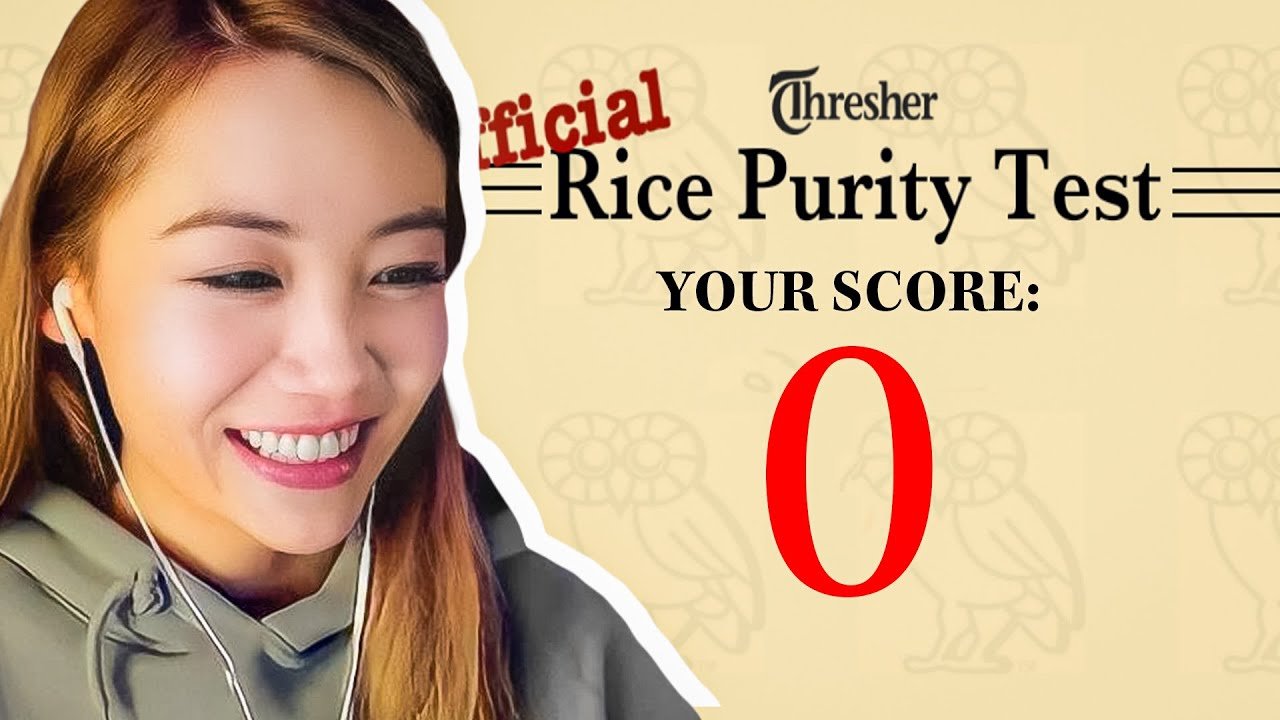
After completing the Rice Purity Test, participants receive a score out of 100. Each “Yes” answer typically reduces the overall score, signifying more exposure to the experiences described. A perfect score of 100 means the participant has engaged in none of the listed behaviors, while a score closer to zero indicates a broader range of experiences.
The Purpose of the Rice Purity Test
Although some view the Rice Purity Test as a measure of innocence or morality, its original intent was more lighthearted. It was designed to:
- Foster conversation and camaraderie among students.
- Encourage honesty and openness about personal experiences.
- Help break social barriers and reduce feelings of isolation.
In modern contexts, the Rice Purity Test is often used for entertainment, friendly competition, or as a rite of passage among young adults. It is not meant to judge character but rather to prompt reflection and dialogue.
The Rice Purity Test in the Digital Age
With the advent of the internet, the Rice Purity Test became widely accessible. Numerous websites now host digital versions of the test, allowing users from around the world to participate anonymously. Social media platforms like TikTok and Twitter have fueled the test’s popularity, with users sharing their scores and reactions online. This digital shift has amplified the test’s reach and made it a viral trend among teenagers and young adults.
The Role of Peer Culture and Social Dynamics
The Rice Purity Test highlights the influence of peer culture and social comparison. Sharing scores with friends can prompt discussions about personal boundaries, shared experiences, and societal norms. While some participants may feel proud of a high or low score, it’s important to remember that the test is intended as a fun and informal activity, not a definitive measure of one’s character or worth.
Potential Criticisms and Concerns
Despite its popularity, the Rice Purity Test is not without controversy. Some critics argue that it:
- Encourages risky behavior: Peer pressure to achieve a certain score may lead individuals to engage in activities they would otherwise avoid.
- Invades privacy: The nature of the questions can feel intrusive or uncomfortable for some participants.
- Reinforces stereotypes: The test may perpetuate stereotypes about innocence, purity, or life experience.
However, when approached in the right spirit, the Rice Purity Test can serve as a harmless way to reflect on one’s journey through adolescence and young adulthood.
Adaptations and Variations
Over time, the Rice Purity Test has inspired numerous adaptations. For example, some groups have created shorter versions or tests focused on specific topics, such as relationships or substance use. Others have developed humorous or satirical variants, further embedding the test in internet culture.
Educational Insights
Interestingly, educators and psychologists sometimes reference the Rice Purity Test when discussing adolescent development, peer influence, and the navigation of social pressures. The test’s enduring appeal underscores the universal desire among young people to compare experiences and make sense of their personal growth.
How to Take the Rice Purity Test
Taking the Rice Purity Test is simple:
- Find a reputable website that hosts the test.
- Answer each question honestly, checking boxes as appropriate.
- Submit your answers to receive your score.
- Reflect on your responses and, if comfortable, discuss your experiences with friends or peers.
Remember, the test is meant for fun and self-awareness, not for self-judgment or competition.
Conclusion
The Rice Purity Test has evolved from a college icebreaker to a worldwide phenomenon, reflecting the changing landscape of youth culture and online interaction. While it can spark laughter and conversation, it also offers a window into the social dynamics that shape adolescence and early adulthood. Whether you score high or low, the most important takeaway is to respect your own journey and the diverse experiences of others. The Rice Purity Test remains a fascinating example of how a simple set of questions can unite, challenge, and entertain generations.