In recent years, many individuals across the United States have reported receiving mysterious letters from “Cardholder Services” with a return address in Jacksonville, Florida 32255. These letters often arrive unexpectedly, leading recipients to question their legitimacy, purpose, and potential impact on their financial security. This in-depth article explores the origins, content, and implications of these cardholder services letters, offering guidance on how to respond and protect yourself from potential scams.
What is a Cardholder Services Letter?
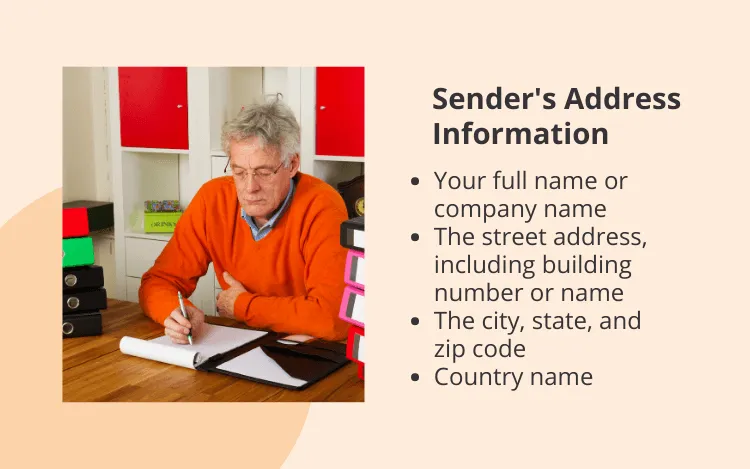
A cardholder services letter is a form of communication—usually received via postal mail—purporting to relate to your credit or debit card account. The letter may reference account updates, balance transfer offers, payment reminders, or requests for personal information. When the sender’s address is listed as Jacksonville, Florida 32255, it can raise further questions, as this address has become associated with a high volume of cardholder services correspondence.
Why Are You Receiving a Cardholder Services Letter?
There are several reasons you might receive correspondence from cardholder services. Not all such mail is necessarily fraudulent; however, it is important to exercise caution. Common reasons include:
-
Legitimate Account Updates: Some financial institutions outsource communication to third-party vendors based in Florida, who manage bulk mailings for account notifications, replacement cards, or promotional offers.
-
Balance Transfer or Loan Offers: Credit card companies often send unsolicited offers for balance transfers or new cards, sometimes from centralized mailing hubs.
-
Scam or Phishing Attempts: Fraudsters use official-sounding names and addresses to trick recipients into providing sensitive information or calling a toll-free number, where they may be pressured into sharing personal details.
-
Debt Collection Notices: If you have outstanding debts, collection agencies might use generic return addresses to communicate with you discreetly.
Jacksonville, Florida 32255: The Mail Hub
The specific reference to Jacksonville, Florida 32255, is not incidental. Jacksonville is home to several major mail processing centers, fulfillment companies, and financial service vendors who handle correspondence for banks, credit unions, and third-party card service providers. The 32255 ZIP code is a commonly used postal code for large-volume outgoing mail—think of it as a distribution hub rather than the headquarters of a specific company.
Why Do Companies Use Centralized Mail Centers?
- Efficiency: Centralized centers can process and distribute millions of pieces of mail cost-effectively.
- Security: Using a mail hub can protect the sender’s actual location or official address.
- Anonymity: Debt collectors or marketers may prefer to mask their identity for privacy or tactical reasons.
What Does a Cardholder Services Letter Look Like?
While the appearance and content of these letters can vary, they typically share certain characteristics:
- A return address in Jacksonville, FL 32255
- The use of official language and formatting
- References to “cardholder services,” “important account information,” or similar financial terminology
- Information about your credit card, account, or a special offer
- Instructions to call a toll-free number or visit a website
- Occasionally, requests for you to confirm or update personal information
Red Flags to Watch For
- Misspelled words or awkward language
- Requests for sensitive data (Social Security number, PIN, complete card number)
- High-pressure language or urgent calls to action
- Unfamiliar account numbers or institutions
Cardholder Services Scams: How They Work
Unfortunately, the phrase “cardholder services” has become synonymous with several types of financial scams. Here’s how a typical scam might unfold:
-
Initial Contact: You receive a letter (or sometimes a robocall) referencing your card account and offering lower interest rates, account upgrades, or urgent updates.
-
Call to Action: The letter urges you to call a number or visit a website to take advantage of the offer or “secure your account.”
-
Information Gathering: Once you respond, a representative (often posing as a bank employee) asks for personal details—account numbers, Social Security number, mother’s maiden name, or passwords.
-
Exploitation: With this information, scammers can commit identity theft, access your financial accounts, or make unauthorized charges.
How to Determine if a Cardholder Services Letter is Legitimate
-
Examine the Sender: Cross-reference the sender’s name and address with your own bank or credit card issuer. Genuine letters from your card provider will often reference your full or partial account number and use consistent branding.
-
Check for Personalization: Most banks address customers by name and include specific details Generic greetings are a red flag.
-
Look for Official Logos and Branding: While not impossible to fake, legitimate financial communications typically use consistent, high-quality branding.
-
Contact Your Card Issuer Directly: If you are unsure, call the customer service number on the back of your card—not the number provided in the letter.
-
Review Your Online Account: Log in to your official account to check for messages or alerts that correspond to the letter.
Steps to Take if You Receive a Suspicious Cardholder Services Letter
-
Do Not Call the Provided Number: Scammers often use toll-free numbers to collect sensitive information.
-
Do Not Provide Personal Details: Never give out account numbers, Social Security numbers, or passwords in response to unsolicited mail.
-
Report the Letter: Notify your bank or card issuer about the letter. You can also report suspected scams to the Federal Trade Commission (FTC) at ftc.gov/complaint.
-
Shred the Letter: If you determine it is a scam, shred the physical document to prevent identity theft.
What to Do If You’ve Shared Information by Mistake
If you have already responded to a suspicious letter or shared sensitive details:
- Contact your bank or credit card company immediately.
- Monitor your accounts for unauthorized transactions.
- Consider placing a fraud alert or credit freeze with the major credit bureaus (Experian, Equifax, TransUnion).
- Report the incident to the FTC and your local law enforcement.
The Rise of Cardholder Services Robocalls
In addition to letters, many consumers have been targeted by robocalls claiming to be from cardholder services. These calls often promise to lower your interest rate or prevent account suspension. Like the letters, they frequently use generic names and may reference Florida-based phone numbers or callback addresses. The advice for handling these calls is the same: do not provide information, and report the call to the appropriate authorities.
Protecting Yourself from Financial Scams
- Educate Yourself: Learn to recognize common scam tactics, including phishing emails, fake letters, and robocalls.
- Safeguard Your Information: Be wary of unsolicited requests for sensitive information, even if they appear official.
- Regularly Check Statements: Monitor your credit and debit card statements for suspicious activity.
- Use Strong Passwords: Protect your financial accounts with unique, complex passwords and enable two-factor authentication when available.
- Stay Informed: Subscribe to alerts from your financial institution regarding security threats or scams.
The Role of Regulatory Agencies
The Federal Trade Commission (FTC), Consumer Financial Protection Bureau (CFPB), and United States Postal Inspection Service all play vital roles in investigating and shutting down scams associated with cardholder services. When you report suspicious mail, these agencies can track patterns, warn the public, and prosecute offenders.
Frequently Asked Questions
1. Is every cardholder services letter from Jacksonville, FL a scam? No, not every letter is a scam. Many legitimate financial institutions use mail processing centers in Florida. However, due to the volume of scams, always verify independently.
2. Why does the letter have so little personal information? Scammers often use generic greetings to reach as many people as possible. Legitimate letters are more likely to include details unique to your account.
3. My letter offers a balance transfer with great rates. Is it safe? Even if the offer seems attractive, confirm it with your card provider directly rather than responding to the letter.
4. Can I stop receiving these letters? While you can opt out of many marketing mailings at optoutprescreen.com, you may still receive some correspondence. For persistent scams, report and shred them.
Conclusion: Stay Vigilant, Stay Safe
Receiving a cardholder services letter from Jacksonville, Florida 32255 can be unsettling. While some correspondence may be legitimate, scams are prevalent. By understanding the nature of these letters, knowing how to verify their authenticity, and taking steps to protect your information you can navigate these communications with confidence. When in doubt, always contact your financial institution through official channels, and never let pressure or urgency override your caution. As scams continue to evolve, staying informed and vigilant is your best defense against financial fraud.