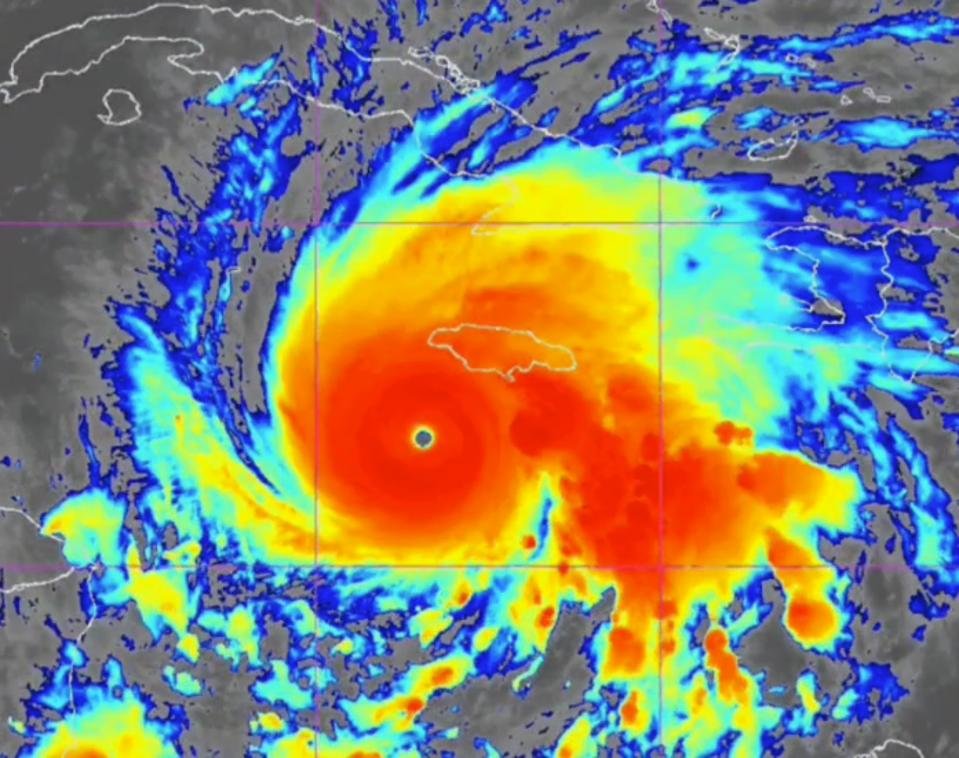
Hurricanes are among nature’s most powerful and awe-inspiring phenomena. Each year, the Atlantic hurricane season brings with it storms that are tracked by scientists, meteorologists, and the public alike. While not every system reaches land or causes widespread damage, each storm has its own story and scientific significance. Hurricane Melissa is one such storm—though not the most destructive, it offers valuable insights into hurricane formation, forecasting, and preparedness.
The Formation of Hurricane Melissa
Hurricane Melissa formed during the Atlantic hurricane season, a time when warm ocean waters and atmospheric conditions combine to produce tropical cyclones. The process begins with a tropical wave or disturbance—a cluster of thunderstorms moving off the coast of Africa or forming in the tropical Atlantic. When conditions are favorable, these systems can organize into tropical depressions, then tropical storms, and eventually hurricanes.
Melissa’s origins trace back to a tropical wave that encountered warm sea surface temperatures and low wind shear, allowing it to strengthen. As the system organized, meteorologists began monitoring it using satellite imagery, weather buoys, and reconnaissance flights. Once sustained winds reached 39 mph, the system was named Tropical Storm Melissa. Continued strengthening pushed winds above 74 mph, at which point the system was classified as a hurricane.
Meteorological Characteristics
Hurricane Melissa was notable for its relatively small size and short lifespan. It did not make landfall as a major hurricane, instead remaining primarily over open waters. However, it exhibited many features characteristic of tropical cyclones:
- Eye Formation: As Melissa intensified, a well-defined eye developed at its center—a hallmark of mature hurricanes.
- Wind Speeds: Maximum sustained winds reached hurricane strength, with gusts occasionally exceeding official estimates in some quadrants.
- Rain Bands: Spiraling bands of intense rainfall surrounded the eye, contributing to localized heavy precipitation and gusty winds.
- Storm Surge: While Melissa remained offshore, its winds generated moderate swells and minor coastal flooding in nearby regions.
Track and Duration
Melissa’s path was typical of mid-Atlantic hurricanes, curving north and northeast due to steering currents in the atmosphere. It remained far from major landmasses, sparing populated areas from direct impact. The storm lasted several days, eventually weakening as it encountered cooler waters and increased wind shear, both of which inhibit hurricane strength.
Impacts on Land and Sea
While Hurricane Melissa did not make a direct landfall, its effects were felt in several ways:
- High Surf and Rip Currents: Coastal areas near the storm’s path experienced higher-than-normal surf, dangerous rip currents, and minor beach erosion. Authorities issued advisories for swimmers and boaters.
- Rainfall: Some regions received heavy rainfall, though flooding was minimal compared to more powerful hurricanes.
- Shipping and Maritime Activity: Vessels in the Atlantic adjusted their routes to avoid the storm, and ports in the vicinity kept a watchful eye on conditions.
- Ecological Impact: The churning of ocean waters by hurricanes like Melissa can affect marine life, redistributing nutrients and temporarily altering habitats.
Scientific Significance
Every hurricane, regardless of its impact on land, provides scientists with valuable data. Hurricane Melissa was no exception. Meteorologists used satellite observations, aircraft reconnaissance, and ocean buoys to study the storm’s structure, intensity, and movement. This information is critical for improving hurricane models and forecasting accuracy in the future.
Melissa also highlighted the importance of monitoring “fish storms”—hurricanes that primarily stay at sea. While these storms may seem less important to the general public, they are essential for scientific understanding of hurricane behavior, rapid intensification, and the influence of environmental factors like wind shear and sea surface temperature.
Hurricane Forecasting and Preparedness
The story of Hurricane Melissa underscores the importance of hurricane forecasting and public preparedness. Even storms that do not make landfall can cause hazardous conditions along coastlines. Meteorologists rely on advanced technology—such as satellites, Doppler radar, and computer models—to predict storm tracks and potential impacts.
For the public, Melissa serves as a reminder to stay informed during hurricane season. Coastal residents should heed advisories, understand evacuation routes, and have emergency supplies on hand—even if a hurricane seems unlikely to make landfall.
Lessons Learned from Hurricane Melissa
-
Not All Hurricanes Are Catastrophic: Melissa’s relatively mild impacts demonstrate that not every hurricane leads to disaster. However, even minor storms require monitoring and respect for nature’s power.
-
The Importance of Communication: Timely warnings about high surf and rip currents helped prevent accidents along affected coastlines. Clear communication between meteorologists, authorities, and the public is essential.
-
Value of Ongoing Research: Storms like Melissa contribute to the larger body of knowledge on tropical cyclones, helping scientists refine prediction models and improve future preparedness.
-
Respect for the Ocean: Even without making landfall, hurricanes can dramatically alter ocean conditions. Swimmers, surfers, and boaters must remain vigilant during hurricane season.
The Broader Context: Hurricane Naming and Historical Records
The name “Melissa” is part of the rotating list of names used for Atlantic hurricanes. Storm names are retired only if a hurricane is particularly deadly or destructive. As Hurricane Melissa was not catastrophic, its name will likely appear again in the future.
Historical records of storms like Melissa are vital for tracking trends in hurricane frequency, intensity, and paths. This data informs everything from insurance rates to building codes in vulnerable areas.
Climate Change and Future Hurricanes
Scientists are studying the potential effects of climate change on hurricanes. While individual storms like Melissa cannot be directly attributed to global warming, trends suggest that warmer ocean temperatures may contribute to more intense hurricanes in the future. Continued research and preparedness are key to adapting to these changes.
How to Stay Safe During Hurricane Season
- Monitor Official Sources: Rely on trusted agencies like the National Hurricane Center (NHC) and local authorities for updates.
- Know Your Risks: Understand the specific threats hurricanes pose in your region—storm surge, flooding, wind damage, and more.
- Prepare an Emergency Kit: Stock up on non-perishable food, water, medications, flashlights, batteries, and important documents.
- Develop an Evacuation Plan: Know evacuation routes and shelters in your area.
- Practice Caution Near Water: Heed warnings about dangerous surf and currents, even if a storm is offshore.
Conclusion
Hurricane Melissa may not be remembered as one of the most destructive storms in history, but it offers important lessons in meteorology, preparedness, and respect for the natural world. By studying and understanding storms like Melissa, we become better equipped to forecast, respond to, and mitigate the impacts of hurricanes in the future. Stay informed, stay prepared, and appreciate the vital role that even lesser-known storms play in our collective safety and scientific advancement.