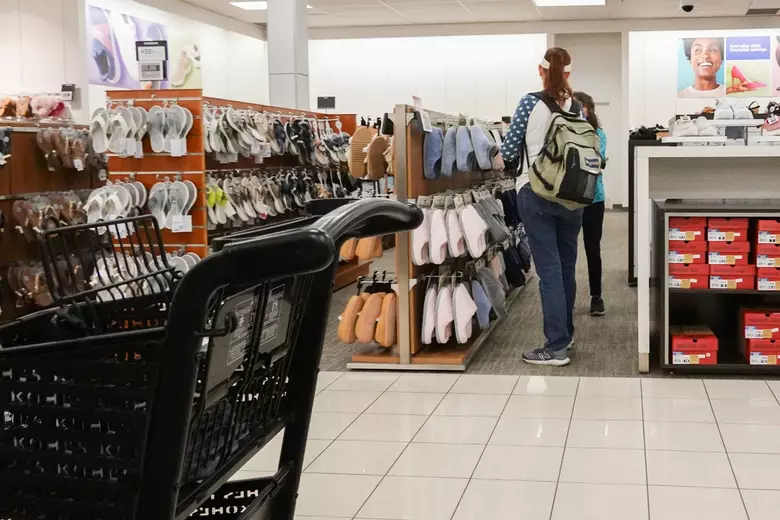
Kohl’s, a leading department store chain in the U.S., has long been a staple for value-seeking shoppers, offering everything from apparel and home goods to beauty products and kitchenware. However, in 2026, the retail giant announced the closure of 27 Kohl’s stores across the country, sending ripples through local communities, the retail industry, and the company’s loyal customer base. This article delves into the reasons behind the 27 Kohl’s stores closing, the impact on shoppers and employees, and what this event signals about broader trends in the retail landscape.
The Announcement: 27 Kohl’s Stores Closing in 2026
In January 2026, Kohl’s Corporation officially confirmed plans to close 27 underperforming stores in select markets nationwide. The move comes after a period of declining foot traffic, changing consumer habits, and increasing competition from online retailers and big-box chains. This isn’t the first time Kohl’s has shuttered stores, but the scale and timing of these closures have raised concerns and questions among shoppers and industry analysts alike.
Locations Affected: Where Are Kohl’s Stores Closing?
While Kohl’s has not publicly released a comprehensive list of all 27 locations, industry insiders and local news outlets have reported closures in both suburban and urban areas, spanning states from California and Texas to the Midwest and Northeast. The affected stores are primarily those with declining sales, high operational costs, or locations in oversaturated markets. Some locations had been open for decades, making their closures particularly emotional for longtime shoppers and employees.
Why Are These Kohl’s Stores Closing?
The decision to close 27 stores is rooted in several key factors:
1. Shifts in Consumer Behavior
The rise of e-commerce giants like Amazon, as well as the growth of curbside pickup and same-day delivery services, has fundamentally changed how Americans shop. More consumers are opting for online purchases, reducing the need for large brick-and-mortar locations, especially in less profitable markets.
2. Increased Competition
Kohl’s faces fierce competition from discount retailers (such as TJ Maxx and Marshalls), big-box stores (like Target and Walmart), and specialized online platforms. These competitors often offer similar products, sometimes at lower prices or with more convenient delivery options.
3. Financial Performance
Several of the stores targeted for closure have posted poor sales numbers for multiple quarters. High rent, labor, and maintenance costs have made these locations unsustainable in a challenging retail environment.
4. Corporate Strategy
Kohl’s executives have emphasized a renewed focus on digital growth, smaller-format stores, and strategic partnerships (such as those with Sephora and Amazon Returns). Closing underperforming stores allows the company to reinvest in these growth areas.
The Impact on Shoppers
Loss of Convenience
For many communities, especially in suburban and rural areas, the closure of a Kohl’s store means the loss of a convenient, one-stop shopping destination. Regular customers will need to travel further or shift to online shopping for their favorite Kohl’s brands and deals.
Changes to Returns and Rewards
Customers who rely on in-store returns, Kohl’s Cash, or loyalty rewards may need to adjust their routines. Kohl’s has assured shoppers that online services and other nearby locations will continue to honor returns and rewards, but the process may be less convenient for some.
Emotional Response
Many shoppers have shared their disappointment on social media, recalling memories of back-to-school shopping, Black Friday deals, and community events hosted at their local Kohl’s. The closures represent more than just a lost store—they mark the end of a local tradition for some families.
The Impact on Employees
Job Losses and Relocations
The most immediate impact is on the hundreds of employees at the affected stores. Kohl’s has stated it will attempt to relocate workers to nearby stores or support them with job placement services, but layoffs are inevitable. For many, these jobs provided not only a paycheck but also a sense of community and stability.
Severance and Support
Kohl’s has offered severance packages, career counseling, and access to retraining resources for those unable to transfer within the company. Still, the transition can be challenging, particularly for longtime employees.
Community and Economic Effects
Store closures can leave a void in local shopping centers, affecting neighboring businesses that rely on Kohl’s for foot traffic. Vacant retail spaces may take months or years to fill, potentially reducing tax revenue and community vibrancy in the short term.
Kohl’s Response and Future Plans
Kohl’s leadership has emphasized that these 27 store closures are part of a larger strategy to adapt to the realities of modern retail. Key elements of their plan include:
- Expansion of Online Shopping: Continued investment in Kohl’s robust e-commerce platform and mobile app.
- Smaller Store Formats: Testing smaller, more efficient store designs in urban and high-traffic suburban locations.
- Partnerships: Deepening relationships with brands like Sephora (in-store beauty shops) and offering Amazon return services.
- Sustainability Initiatives: Focusing on eco-friendly operations and supply chains to appeal to environmentally conscious shoppers.
Kohl’s executives have reassured investors and customers that the company remains committed to serving its customer base and evolving with retail trends. The closures, they argue, are necessary for long-term health and competitiveness.
Broader Retail Trends: Are More Closures Ahead?
Kohl’s is not alone in facing these challenges. The past decade has seen dozens of legacy retailers, from Sears and JCPenney to Bed Bath & Beyond, announce widespread closures in response to digital disruption and shifting consumer preferences. Analysts predict that the trend toward fewer, more strategically placed brick-and-mortar stores will continue, with retailers focusing on digital integration and experiential shopping to stand out.
What Can Shoppers Do?
- Stay Informed: Check Kohl’s official website and local news for updates on store closures and alternative shopping options.
- Redeem Rewards: Use Kohl’s Cash and loyalty rewards before your local store closes.
- Explore Online Options: Get familiar with Kohl’s online shopping and delivery services for continued access to deals and products.
- Support Local Workers: Many communities are organizing efforts to support displaced employees, such as job fairs and networking events.
Conclusion: A Retail Era in Transition
The closing of 27 Kohl’s stores in 2026 is a reflection of the rapidly changing retail landscape. For shoppers, employees, and entire communities, the impact is significant—marking the end of an era for some and the beginning of new retail strategies for others. As Kohl’s and other retailers adapt to digital disruption and evolving customer needs, staying informed and flexible will help everyone navigate this period of transformation. While it’s natural to feel nostalgic for the familiar, the future of retail promises new ways to connect, shop, and find value in an ever-changing marketplace.