
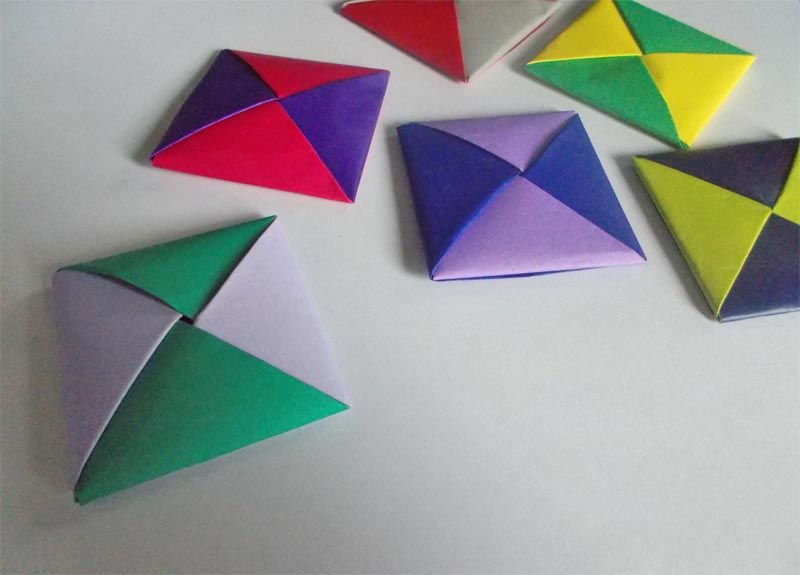
Ddakji (also spelled ttakji or dakji) is a traditional Korean game that has recently gained renewed global attention, especially after its memorable appearance in the hit Netflix series “Squid Game.” Beyond its pop culture fame, ddakji is a beloved childhood pastime in Korea that combines simple materials with skill, quick reflexes, and competitive spirit. In this comprehensive guide, we’ll explore what ddakji is, its cultural significance, and—most importantly how to make ddakji at home and master the art of playing it.
What Is Ddakji?
Ddakji is both the name of the game and the paper tile used to play it. The game is similar in some ways to the Japanese game Menko and involves flipping your opponent’s ddakji tile by striking it with your own. Traditionally, ddakji tiles are made from folded paper, making the game accessible and easy to set up anywhere. All you need are a few sheets of sturdy paper and a flat surface to play on.
The Cultural Significance of Ddakji
While ddakji is often associated with childhood fun, it also holds cultural and historical value in Korea. For decades, children have gathered in schoolyards and playgrounds to challenge each other in fast-paced ddakji battles. The game teaches hand-eye coordination, strategic thinking, and sportsmanship. In recent years, the appearance of ddakji in dramas and variety shows has sparked international curiosity, making it a symbol of both nostalgia and cultural pride.
Materials Needed to Make Ddakji
One of the best things about ddakji is its simplicity. To make ddakji tiles, you’ll need:
- 2 square sheets of sturdy paper (origami paper, construction paper, or card stock are ideal)
- A flat surface for folding and playing
If you want to get creative, you can decorate your ddakji with markers, stickers, or drawings, but the basic game requires nothing more than paper.
Step-by-Step Guide: How to Make Ddakji
Step 1: Cut Your Paper into Squares
Start by ensuring your paper sheets are perfectly square. A standard size is about 15×15 centimeters (6×6 inches), but you can experiment with different sizes to see what works best for you.
Step 2: Fold Each Sheet in Half
Take one square sheet and fold it in half to form a rectangle. Crease the fold sharply, then unfold. Repeat this in the opposite direction to create two perpendicular creases. This helps guide your later folds for precision.
Step 3: Fold Each Side to the Center
Fold the top and bottom edges of the paper to meet at the center crease, forming a long, narrow rectangle. Crease the edges well. Repeat for both sheets.
Step 4: Fold the Rectangle in Half
With both sheets now folded into rectangles, fold each one in half again, lengthwise. You’ll end up with two smaller, narrower rectangles.
Step 5: Interlock the Two Pieces
Lay one rectangle horizontally and place the second rectangle vertically on top, forming a cross or a plus sign. Fold the ends of each rectangle over the perpendicular strip, tucking them into the folds to lock both pieces together. This creates a firm, compact square that holds its shape.
Step 6: Secure the Folds
Make sure all ends are tucked in tightly so the ddakji doesn’t come apart during play. If needed, use a small piece of tape to secure the ends, but traditionalists rely solely on the precision of their folds.
Step 7: Decorate (Optional)
Now’s your chance to personalize your ddakji! Decorate with your favorite colors, patterns, or even your name. This step is especially fun if you’re making ddakji with kids or friends.
Tips for Making the Best Ddakji
- Use thicker paper for a heavier ddakji, which is easier to flip opponents’ tiles.
- Fold with precision; sharp, clean creases result in a sturdier ddakji.
- Experiment with size and weight to find your perfect playing style.
How to Play Ddakji: Rules and Strategies
Basic Rules
- Place your opponent’s ddakji tile flat on the ground.
- Using your own ddakji, strike the opponent’s tile from above, aiming to flip it completely over.
- Players take turns; if you flip the tile, you win that round and get another turn.
- The winner is the player who flips the most ddakjis, or you can play best-out-of-three or to a set number of points.
Strategies for Winning
- Master the Throw: Use a flicking motion or a downward slap with your hand to generate enough force to flip the tile.
- Angle Matters: Striking the edge or corner of the opponent’s ddakji increases your chances of flipping it.
- Practice Makes Perfect: The more you play, the better you’ll understand how your ddakji moves and reacts.
Advanced Ddakji Variations
Once you’ve mastered the basics, try these variations to spice up gameplay:
- Multi-Player Battles: Play in groups, with each player taking turns to attack the central ddakji.
- Stacked Tiles: Place several ddakji on top of each other and try to flip the whole stack.
- Timed Challenges: Set a timer and see who can flip the most tiles in a given period.
Ddakji in Pop Culture: The “Squid Game” Effect
Ddakji’s global resurgence is largely thanks to “Squid Game,” where the game’s high-stakes version left viewers on the edge of their seats. In the show, the game’s simple mechanics are juxtaposed with life-changing consequences, adding a layer of suspense. While real-life ddakji is all about fun and skill, its media appearances have introduced millions to this cherished part of Korean childhood.
Educational Benefits of Ddakji
Beyond entertainment, ddakji also helps develop:
- Hand-eye coordination
- Strategic thinking
- Patience and perseverance
- Social interaction and friendly competition
Teachers and parents in Korea often use ddakji as a classroom or playground activity to encourage these skills.
Frequently Asked Questions About Making Ddakji
Q: Can I use regular printer paper? A: You can, but thicker paper works better. If you only have printer paper, use two sheets together for extra weight.
Q: Does the size of the ddakji matter? A: Larger ddakji are easier for beginners, while smaller ones provide more challenge. Try different sizes to see what you prefer.
Q: How do I keep my ddakji from unfolding? A: Make sure your folds are sharp and tight. If needed, use a tiny bit of tape inside the folds, but avoid making it too slippery.
Hosting a Ddakji Tournament
If you want to take your ddakji skills to the next level, gather friends or classmates for a tournament! Set up a bracket, make colorful tiles, and offer fun prizes for the winners. It’s a great way to build community and share Korean culture.
Conclusion: Experience the Fun of Ddakji
Ddakji is more than just a game—it’s a window into Korean tradition, a test of skill, and a source of endless fun for people of all ages. With just a few sheets of paper and some enthusiasm, you can enjoy ddakji anywhere, anytime. So grab some paper, start folding, and experience the thrill of flipping your way to victory!


