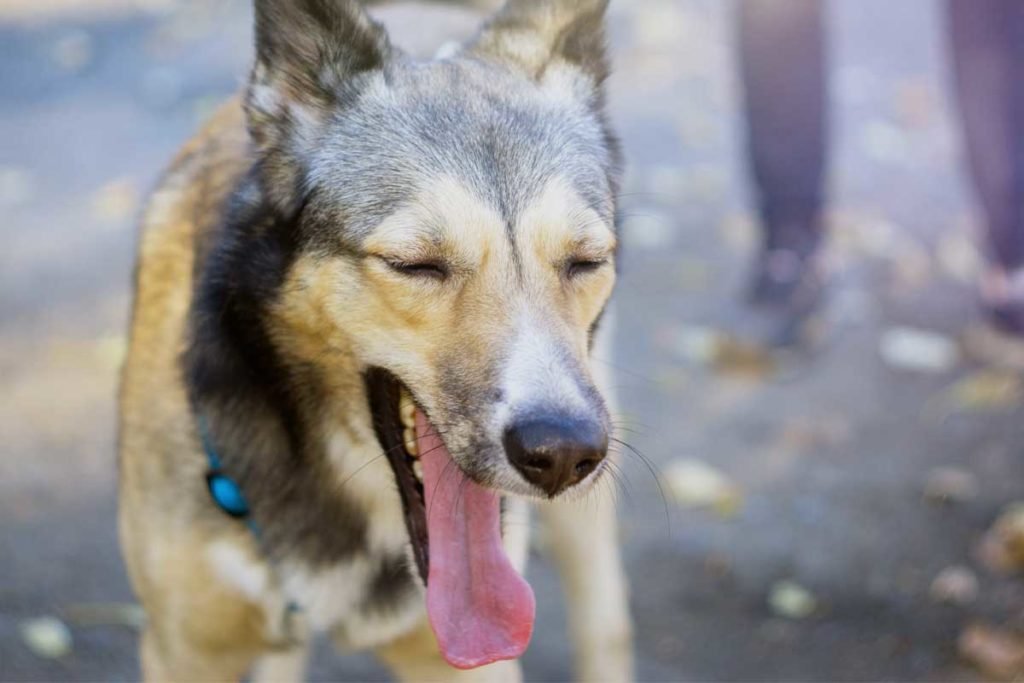
The Alabai, also known as the Central Asian Shepherd Dog, is one of the world’s most ancient and formidable breeds. Revered for centuries across Central Asia as a livestock guardian and protector, the Alabai combines strength, loyalty, and intelligence in a majestic, imposing frame. Today, the breed is gaining popularity outside its homeland for its working abilities and as a devoted family companion. This article explores the history, characteristics, temperament, care, and unique role of the Alabai dog in modern society.
Origins and History
The Alabai’s roots stretch back over 4,000 years to the vast steppes and mountain regions of Central Asia, including present-day Turkmenistan, Kazakhstan, Uzbekistan, and surrounding areas. Bred by nomadic herders to protect sheep, goats, and cattle from wolves, bears, and thieves, these dogs developed exceptional stamina, courage, and resilience.
Unlike many modern breeds, the Alabai’s development was shaped more by survival and necessity than by selective breeding for appearance. Only the strongest, smartest, and most loyal dogs survived to reproduce, leading to a robust and healthy breed. In Turkmenistan, the Alabai is a national treasure, celebrated with festivals, statues, and even postage stamps. The breed is often called the Central Asian Ovcharka (Russian for “shepherd dog”) and has been recognized by various kennel clubs around the world.
Physical Characteristics
The Alabai is a large, muscular, and athletic dog. Males typically stand 28–35 inches (70–90 cm) at the shoulder and can weigh from 110 to 170 pounds (50–80 kg), with females slightly smaller. Their dense, weather-resistant coat comes in a wide variety of colors, including white, black, fawn, brindle, and gray.
Key features include:
- A broad, powerful head with a strong jaw
- Deep chest and well-muscled body
- Thick neck and sturdy legs
- Tail usually carried high and curled
- Small, triangular ears (often cropped in their homeland)
The breed’s imposing appearance is matched by its physical abilities—strength, endurance, and agility are hallmarks of the Alabai.
Temperament and Personality
The Alabai’s primary role has always been that of a guardian, and its temperament reflects this heritage:
- Protective and Loyal: Fiercely devoted to its family, the Alabai is a courageous defender of home and flock. It forms strong bonds with those it trusts, especially children, but is naturally wary of strangers.
- Independent and Intelligent: Bred to make decisions on its own in the absence of humans, the Alabai is highly intelligent and independent-minded. Consistent, confident handling is required.
- Calm and Steady: While intimidating to outsiders, the breed is calm, gentle, and affectionate with those it knows. Aggression is reserved for real threats.
- Territorial: The Alabai is naturally territorial and will patrol its boundaries diligently.
Because of its protective nature, early and ongoing socialization is essential to prevent over-guarding or suspicion toward non-threatening visitors.
Training and Socialization
Training an Alabai requires patience, firmness, and respect. The breed responds best to experienced handlers who understand large, independent dogs. Key points include:
- Early socialization with people, animals, and environments
- Positive reinforcement techniques; harsh treatment is counterproductive
- Clear boundaries and consistent rules
- Mental stimulation to prevent boredom
Alabais are not ideal for first-time dog owners or those seeking a highly obedient, eager-to-please breed. However, in the right hands, they are remarkably loyal and reliable.
Exercise and Living Needs
Despite their size, Alabais are not hyperactive. They require moderate daily exercise, such as long walks, secure yard play, or patrols of their territory. They thrive in homes with large, securely fenced yards and are not suited to apartment living.
As working dogs, Alabais enjoy having a job—whether it’s guarding livestock, property, or simply keeping watch over the family. They are happiest when they have space to roam and responsibilities to fulfill.
Grooming and Health
The Alabai’s double coat is designed to withstand harsh climates. Shedding occurs year-round, with heavier seasonal shedding in spring and fall. Regular brushing helps control loose hair and keeps the coat healthy. Bathing is rarely needed unless the dog gets particularly dirty.
The breed is generally robust, with fewer inherited health problems than many modern breeds. However, potential issues include:
- Hip and elbow dysplasia
- Bloat (gastric torsion)
- Heart conditions
- Parasites (especially in working dogs)
A nutritious diet, regular exercise, and routine veterinary care are essential for maintaining the Alabai’s health and longevity.
The Alabai as a Family Dog
With proper socialization and training, the Alabai can be a devoted family pet. They are known for being especially protective of children and gentle with other animals in the household. However, their size, strength, and guarding instincts mean they require supervision around unfamiliar people and pets.
Alabais are not typically suited for novice owners, small living spaces, or households unable to provide strong leadership and sufficient exercise.
Cultural Significance and Modern Roles
In Central Asia, the Alabai remains a symbol of strength, honor, and cultural heritage. The breed is still widely used to guard livestock and property, and Alabai competitions are popular events. In recent years, the breed has found new roles as a family guardian, property protector, and even as a therapy dog in some cases.
Legal Considerations
Due to their size and guarding abilities, Alabais may be subject to breed-specific legislation or restrictions in some countries or municipalities. Prospective owners should research local laws and regulations before acquiring an Alabai.
Conclusion
The Alabai dog is a living testament to the power, resilience, and loyalty of ancient guardian breeds. For those who can meet its needs, the Alabai is a steadfast protector, affectionate companion, and a striking presence. With its deep roots in history and enduring appeal, the Alabai continues to be both a working legend and a cherished family member across the world.