In an age where climate patterns are shifting and weather events are becoming more unpredictable, access to timely and reliable meteorological information is critical. For millions in Estonia and neighboring regions, “ilmaradar”—the Estonian term for “weather radar”—has become a key resource for understanding real-time weather conditions and planning daily life. This article delves into the world of ilmaradar, exploring its history, technology, applications, societal impact, and future potential, while highlighting why weather radar is indispensable for individuals, businesses, and governments alike.
What is Ilmaradar?
Ilmaradar refers to weather radar systems and the digital platforms that provide radar-based weather data to the public. In Estonia and much of northern Europe, ilmaradar is synonymous with up-to-the-minute precipitation maps, storm tracking, and weather alerts. These tools empower everyone—from farmers and fishermen to city dwellers and travelers—to make informed decisions based on the latest meteorological data.
The Science and Technology Behind Ilmaradar
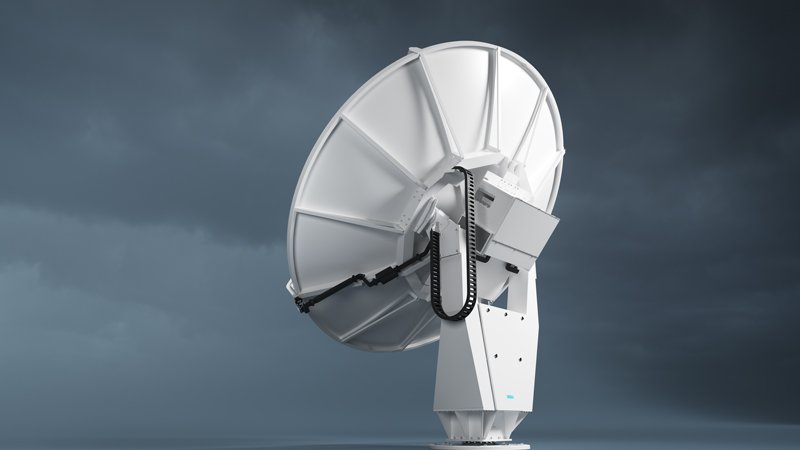
Weather radar works by sending out radio waves and measuring how they bounce off raindrops, snowflakes, or hailstones in the atmosphere. The returned signals are analyzed to determine the intensity, type, and movement of precipitation. This data is visualized on radar maps, often in color-coded layers that show rain, snow, sleet, or hail intensity.
Modern ilmaradar systems use Doppler radar technology, which can also detect wind speed and direction within a storm. This is crucial for tracking severe weather events like thunderstorms, tornadoes, or winter squalls. Advances in computing and telecommunications have made it possible to provide near real-time updates via websites, mobile apps, and even smart home devices.
Ilmaradar in Estonia: History and Development
Estonia’s first weather radar installations date back to the late 20th century, as part of a broader European effort to modernize meteorological infrastructure. The Estonian Environment Agency (Keskkonnaagentuur) operates the country’s main weather radar stations, located strategically to maximize coverage across the nation’s varied climate zones.
Investments in radar technology have allowed Estonian meteorologists to provide more accurate and localized forecasts. The ilmaradar.ee platform, launched in the early 2000s, became a go-to source for live weather radar imagery, storm warnings, and precipitation forecasts. Today, ilmaradar data is integrated into major news outlets, weather apps, and emergency notification systems.
Key Features and Benefits of Ilmaradar
-
Real-Time Precipitation Maps: Users can see where rain, snow, or storms are occurring in real time, helping to plan outdoor activities or respond to changing conditions.
-
Storm Tracking: Ilmaradar allows meteorologists to monitor the development and movement of severe weather, issuing timely alerts to protect lives and property.
-
Localized Forecasting: By combining radar data with satellite images and ground observations, forecasters can provide highly accurate, area-specific weather predictions.
-
User-Friendly Interfaces: Modern ilmaradar platforms offer interactive maps, zoom and pan features, and customizable alerts, making weather data accessible to everyone.
Applications of Ilmaradar
Ilmaradar technology has a wide range of uses:
- Agriculture: Farmers rely on radar data to schedule planting, irrigation, and harvesting, minimizing crop losses due to adverse weather.
- Transportation: Airports, shipping companies, and road authorities use ilmaradar for real-time updates on hazardous conditions, improving safety and efficiency.
- Emergency Services: Firefighters, rescue teams, and civil defense agencies use radar-based alerts to prepare for floods, severe storms, or fires.
- Everyday Life: Individuals check ilmaradar before commuting, hiking, or organizing events, ensuring they are prepared for changing weather.
The Societal Impact of Ilmaradar
Ilmaradar has transformed how people interact with the environment in Estonia and beyond. By democratizing access to advanced meteorological data, it has fostered a culture of preparedness and resilience. Early warnings and accurate forecasts save lives, reduce property damage, and support economic activity. Ilmaradar also plays a crucial role in education, helping students and the public understand weather patterns and climate science.
Innovation and the Future of Ilmaradar
Technological advancements continue to improve ilmaradar’s accuracy and accessibility. Key trends include:
-
Enhanced Radar Coverage: New installations and international data sharing are expanding radar networks across the Baltics and Europe.
-
Integration with AI: Artificial intelligence is being used to analyze radar data, improving prediction of storm development, rainfall intensity, and even flash floods.
-
Personalized Weather Services: Apps now offer location-based alerts, minute-by-minute forecasts, and user-tailored notifications based on radar data.
-
Climate Monitoring: Ilmaradar contributes to climate research by providing long-term data on precipitation trends and extreme weather events.
Challenges and Considerations
While ilmaradar is invaluable, there are challenges to address:
- Infrastructure Investment: Maintaining and upgrading radar stations requires significant funding.
- Data Accuracy: Radar signals can be affected by terrain, buildings, or atmospheric conditions, occasionally leading to false readings.
- Public Awareness: Continuous education is needed to ensure people understand how to use and interpret radar data.
How to Use Ilmaradar Effectively
- Choose Trusted Sources: Rely on official platforms like ilmaradar.ee or national meteorological agencies for accurate data.
- Learn to Read Radar Maps: Understand color codes and symbols to interpret precipitation intensity and storm movement.
- Enable Alerts: Use mobile apps to receive real-time weather warnings for your location.
- Combine With Other Data: For best results, check radar alongside satellite images, official forecasts, and local observations.
Conclusion
Ilmaradar has become an indispensable part of daily life in Estonia and northern Europe, shaping how people interact with the weather and the world around them. By providing accessible, real-time meteorological data, ilmaradar empowers individuals, businesses, and emergency services to make safer, smarter decisions. As technology advances and weather patterns evolve, the role of ilmaradar will only become more important—making it a vital tool for preparedness, resilience, and understanding our ever-changing environment.