Supermarkets are more than just places to buy food—they are cultural hubs, reflections of a society’s tastes, and pillars of convenience in everyday life. In Estonia, Selver stands out as a leading supermarket chain that has not only transformed grocery shopping but also contributed to the nation’s economic development and lifestyle. This article explores the history, business model, product range, digital innovation, community role, and future of Selver, highlighting its significance in Estonian retail.
The Origins of Selver
Selver’s story began in 1995 with the opening of its first supermarket in Tallinn. As Estonia regained independence and the market economy rapidly modernized, Selver emerged as a pioneer in bringing Western-style shopping experiences to Estonian consumers. Operated by the Estonian company AS Selver, part of the Tallinna Kaubamaja Group, the chain quickly expanded beyond the capital, opening stores in major cities and regional centers across the country.
Expansion and Growth
Today, Selver operates over 70 stores throughout Estonia, from large hypermarkets to smaller city-center supermarkets and express outlets. The chain employs thousands of people, making it not only a retail leader but also a major employer. Selver’s strategic locations, recognizable branding, and consistent service standards have helped it maintain a strong, loyal customer base in a competitive market.
Product Range: Local Meets Global
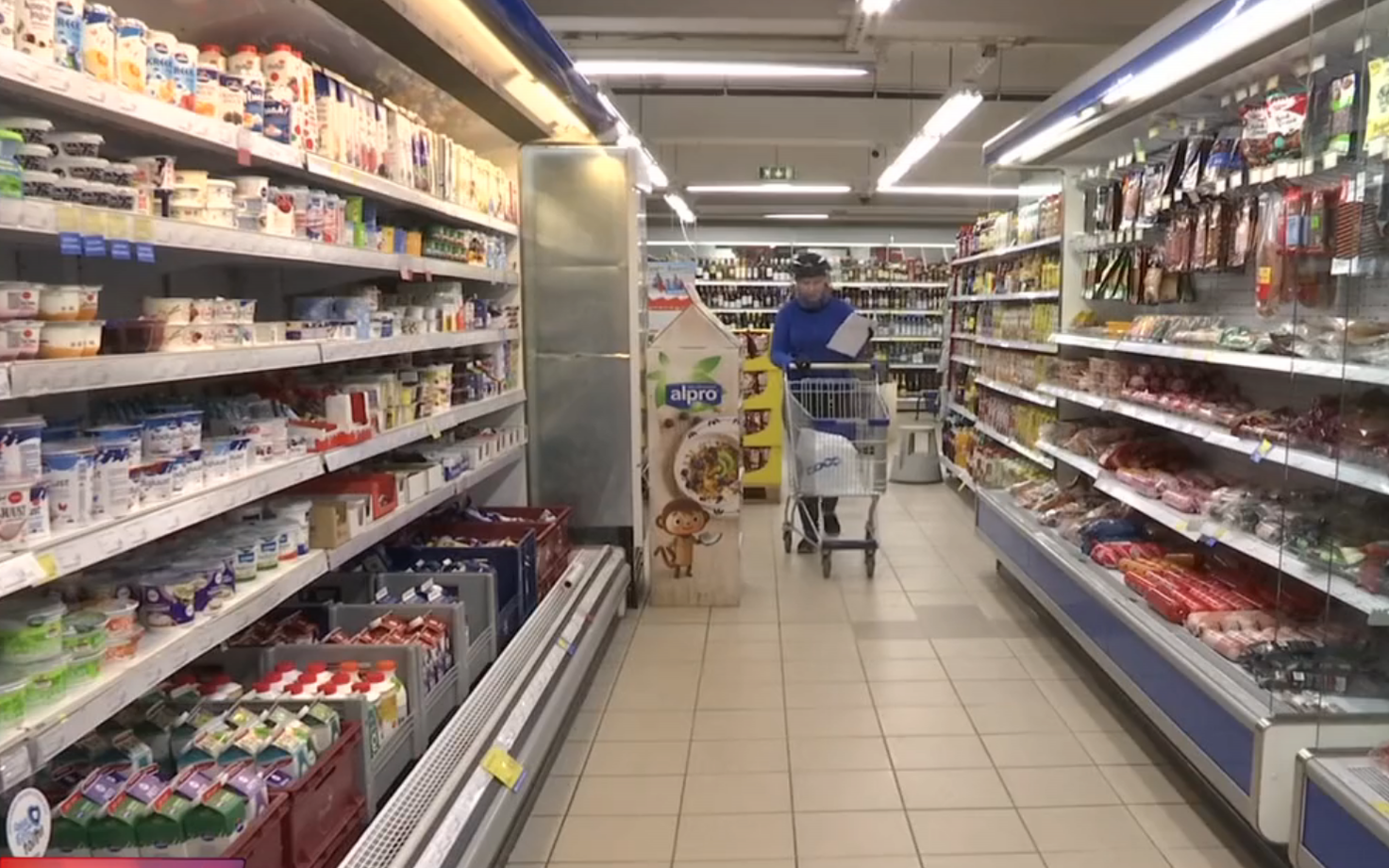
Selver offers a wide variety of products to meet the diverse needs of Estonian families. Its shelves are stocked with:
- Fresh produce, meat, and dairy from local farms
- Estonian-made bakery, deli, and ready-to-eat items
- International groceries introducing global flavors
- Health, beauty, and household essentials
- Seasonal goods, toys, and gifts
One of Selver’s hallmarks is its commitment to promoting local food producers. The chain’s own brands, such as Selveri Köök (Selver Kitchen), provide fresh meals, salads, and pastries prepared daily, emphasizing Estonian culinary tradition and quality.
Innovation: Digital Shopping and Loyalty
Selver has embraced digital transformation to enhance convenience and customer engagement. Its online store, e-Selver, enables shoppers to order groceries for home delivery or pick-up—services that grew rapidly in popularity during the COVID-19 pandemic. The user-friendly website and mobile app feature personalized deals, digital receipts, and easy product search and reorder options.
The Selver loyalty program, Partnerkaart, rewards frequent shoppers with discounts, exclusive offers, and cashback. Customers can also collect points at partner businesses within the Tallinna Kaubamaja Group, making the card an integral part of everyday shopping for many Estonians.
Customer Experience and Community Focus
Selver is known for its clean, well-organized stores, friendly service, and wide selection. Many locations offer additional amenities such as:
- In-store bakeries and cafes
- Fresh juice and salad bars
- Self-checkout and express lanes
- Parking and accessible facilities
Beyond sales, Selver is deeply involved in community initiatives. It supports local charities, food banks, and children’s organizations, and regularly runs campaigns for social causes. The popular “Koos on kergem” (Together is Easier) charity initiative has helped thousands of families in need.
Sustainability and Responsibility
Environmental responsibility is at the heart of Selver’s operations. The chain has implemented:
- Energy-efficient lighting and refrigeration
- Waste sorting and recycling programs
- Partnerships with local farmers to reduce food miles
- Initiatives to minimize plastic and promote reusable bags
- Donation of surplus food to charities
Selver is also committed to employee welfare, offering professional training, career growth opportunities, and a supportive work environment.
Adapting to Change: Challenges and Successes
Like all major retailers, Selver faces challenges such as rising costs, supply chain disruptions, and shifting consumer behaviors. The pandemic accelerated the adoption of e-commerce and contactless payment solutions. Selver’s flexible approach—investing in logistics, digital tools, and customer experience—has enabled it to thrive in a fast-changing environment.
The chain continually updates its offerings based on customer feedback, global trends, and local preferences. This adaptability ensures Selver remains relevant and competitive.
The Future of Selver
Looking ahead, Selver aims to further digitalize its operations, expand its online offerings, and enhance sustainability practices. Plans include smart inventory systems, eco-friendly packaging, and expanded partnerships with local producers. The company is also exploring innovations like automated fulfillment centers and data-driven personalized marketing.
As Estonian consumers become more health-conscious and environmentally aware, Selver is poised to lead in offering organic, healthy, and sustainable food choices. Its ongoing investments in technology and people ensure that Selver will continue to shape Estonia’s grocery landscape for years to come.
Conclusion
Selver is more than just a supermarket chain—it is an essential part of Estonia’s daily life, economy, and culture. Through its commitment to quality, innovation, community, and sustainability, Selver has earned its place as a trusted partner for Estonian families. As shopping habits evolve and new challenges arise, Selver’s adaptability and focus on customer needs will keep it at the forefront of Estonian retail, helping to nourish both bodies and communities across the country.