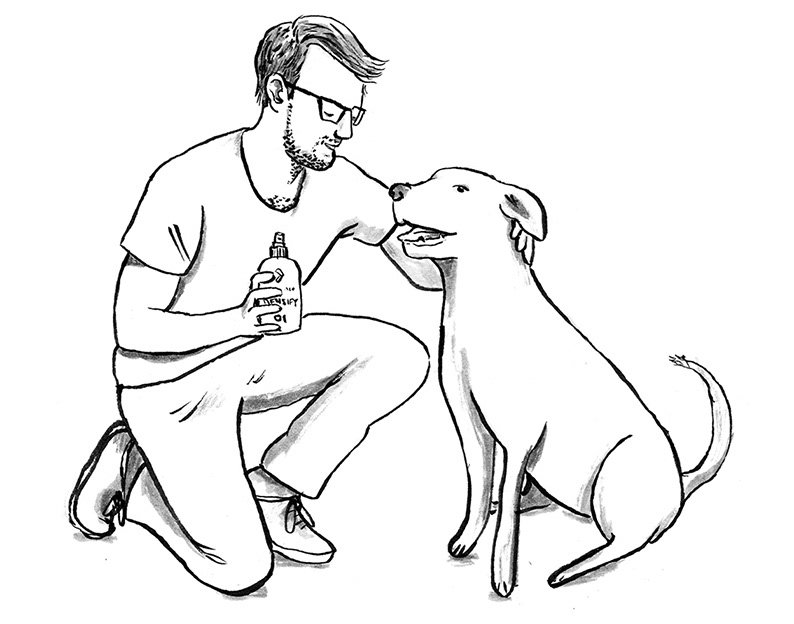
Dog drawing is a delightful and rewarding pursuit for artists of all skill levels. Whether you’re a seasoned illustrator or a beginner with a sketchpad, capturing the spirit and character of dogs through art can be both challenging and fulfilling. From their expressive eyes to their playful postures, dogs offer endless inspiration. This comprehensive guide will walk you through the essentials of dog drawing, including techniques, tools, step-by-step instructions, and creative ideas to help you bring your canine subjects to life on paper.
Why Draw Dogs?
Dogs are among the most popular subjects in art, celebrated for their loyalty, energy, and charm. Drawing dogs not only improves your observational skills and understanding of anatomy but also allows you to connect with their unique personalities. Whether you’re drawing a beloved pet or practicing for professional commissions, dog drawing helps refine your artistic technique and broadens your creative horizons.
Essential Tools for Dog Drawing
- Sketching Pencils: A range of pencils (HB, 2B, 4B, 6B) for different shading effects.
- Erasers: Kneaded and vinyl erasers for correcting and refining lines.
- Paper: Smooth drawing paper or sketchbooks are ideal for detailed work.
- Blending Tools: Tortillons, blending stumps, or tissues for soft shading.
- Fine Liners or Ink Pens: For adding definition and details.
- Colored Pencils or Watercolors (Optional): For bringing your dog drawing to life with color.
Understanding Dog Anatomy
Before you start drawing, it’s important to study the basic anatomy of dogs. Familiarize yourself with the skeletal structure, muscle groups, and proportions. Pay close attention to the head, muzzle, ears, body, and limbs. This knowledge will help you create more realistic and expressive dog drawings, regardless of breed or pose.
Step-by-Step Guide to Drawing a Dog
-
Start with Basic Shapes: Lightly sketch the fundamental shapes—ovals for the head and body, circles for joints, and lines for the spine and limbs. These guidelines help establish the dog’s pose and proportions.
-
Outline the Body Structure: Connect the basic shapes with flowing lines to define the dog’s body, neck, tail, and legs. Begin to shape the muzzle, ears, and paws.
-
Add Facial Features: Focus on the eyes, nose, and mouth. Dogs’ eyes are expressive, so take time to capture their shape and placement. The nose should be centered on the muzzle, with nostrils clearly defined.
-
Refine the Outline: Erase unnecessary guidelines and reinforce the main contours of the dog’s body and face. Add more detail to the ears, paws, and tail.
-
Detail the Fur: Use short, directional pencil strokes to mimic the texture of fur. Pay attention to the direction in which the fur grows, especially around the face, ears, and tail. Layer your strokes for depth and realism.
-
Shade and Add Texture: Begin shading by identifying the light source. Add shadows and highlights to give the drawing dimension. Use blending tools for smooth transitions and to soften the fur texture.
-
Final Touches: Add any remaining details, such as whiskers, collars, or background elements. If desired, enhance your drawing with ink outlines or color.
Tips for Drawing Different Dog Breeds
- Short-Haired Dogs: Use cleaner, shorter strokes; pay attention to muscle definition.
- Long-Haired Dogs: Layer strokes for a fluffy effect; emphasize the flow and direction of the fur.
- Puppies: Heads are proportionally larger, eyes rounder, and features softer than adults.
- Distinctive Breeds: Focus on unique traits—like a bulldog’s wrinkles or a poodle’s curls.
Common Challenges and How to Overcome Them
- Proportions: Study canine anatomy and use reference images to check your work.
- Symmetry: Use guidelines to keep eyes, ears, and facial features balanced.
- Expression: Observe real dogs or photos to capture subtle emotions in posture and eyes.
- Fur Texture: Practice different pencil techniques (hatching, cross-hatching, stippling) to simulate various coat types.
Creative Ideas for Dog Drawings
- Portraits: Create a detailed headshot focusing on the dog’s face and expression.
- Action Poses: Draw dogs running, playing, or jumping to capture movement and energy.
- Cartoon Styles: Exaggerate features for a whimsical, playful effect.
- Mixed Media: Combine pencil, ink, and watercolor for vibrant, dynamic art.
- Themed Drawings: Dress dogs in costumes, add backgrounds, or depict them in humorous situations.
Using Reference Photos
Reference photos are invaluable for studying anatomy, poses, and fur patterns. Use high-quality images of dogs in various poses and lighting conditions. If drawing a specific pet, take your own photos to capture their unique personality and markings.
Digital Dog Drawing
For those interested in digital art, tablet and stylus setups with drawing apps like Procreate or Adobe Fresco offer powerful tools for dog drawing. Layers, brushes, and undo functions make experimenting with styles and corrections easier than ever.
The Benefits of Practicing Dog Drawing
- Enhanced Observation: Drawing dogs sharpens your ability to notice details in posture, anatomy, and facial expression.
- Improved Technique: Regular practice with fur, shading, and anatomy translates to better skills across all subjects.
- Personal Connection: Drawing your own dog or a friend’s pet creates meaningful, heartfelt artwork.
- Portfolio Building: High-quality dog drawings are excellent additions to artist portfolios, especially for those seeking pet portrait commissions.
Frequently Asked Questions
Q: How can I improve my dog drawing skills? A: Practice regularly, study canine anatomy, use references, and experiment with different techniques. Don’t be afraid to make mistakes.
Q: What is the best way to capture a dog’s personality in a drawing? A: Focus on the eyes and expression, and pay attention to unique features or quirks that make the dog special.
Q: Should I start with pencil or jump right into color? A: Beginners should start with pencil sketches to master form and shading before adding color.
Conclusion
Dog drawing is a joyful and endlessly inspiring art form that welcomes experimentation and personal expression. Whether you’re aiming for lifelike realism or playful cartoons, the key is to observe, practice, and enjoy the process. With time and patience, your ability to capture the spirit of dogs will flourish, bringing joy to yourself and those who view your art. So grab your sketchbook, find your favorite canine muse, and start drawing today!