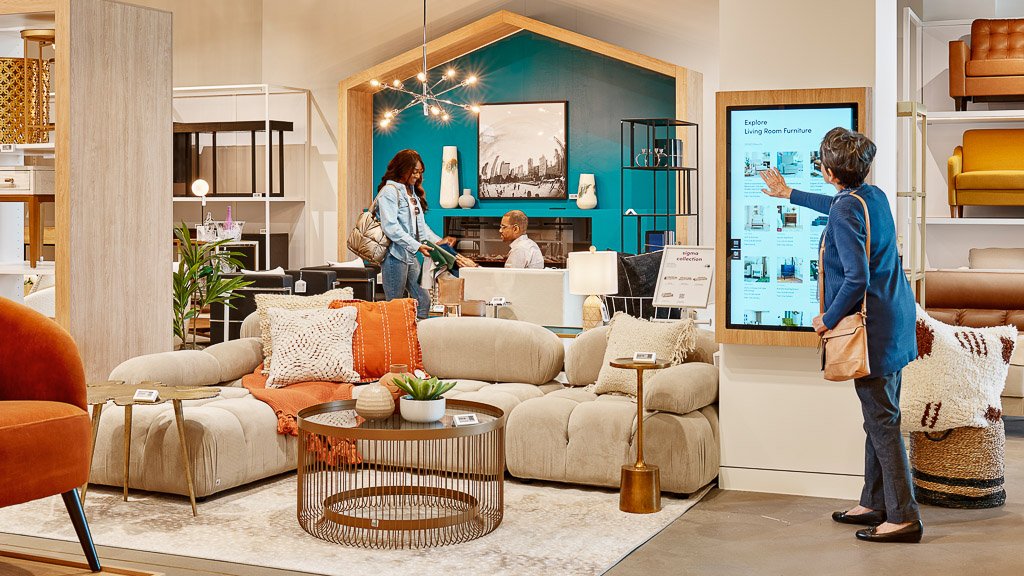
Wayfair has become a household name for anyone seeking furniture and home goods online. Founded in 2002, this American e-commerce giant has transformed how people shop for their homes, offering millions of products at their fingertips. For many consumers, Wayfair represents convenience, choice, and modern retail innovation. This article will explore the Wayfair journey, its business model, customer experience, challenges, and the impact it has made on the home furnishing industry.
The Origins of Wayfair
Wayfair traces its roots to Boston, where co-founders Niraj Shah and Steve Conine started the company under the name CSN Stores, operating a network of niche retail sites. In 2011, they unified these under the Wayfair brand, creating a singular destination for everything home-related. Their vision was simple but ambitious: to create a platform that could connect millions of shoppers with the furnishings and décor they desire, delivered conveniently to their doorstep.
Business Model: The Online Marketplace Advantage
Wayfair operates as an online marketplace, connecting customers with a vast network of suppliers. Unlike traditional retailers, Wayfair does not manufacture products or hold extensive inventory. Instead, it leverages relationships with over 16,000 suppliers to offer more than 18 million products. This model allows Wayfair to:
- Offer an unparalleled selection, covering every style and budget.
- Operate with greater flexibility and scale, adapting quickly to trends.
- Focus on logistics, technology, and customer service rather than managing manufacturing.
Selection and User Experience
One of Wayfair’s strongest selling points is its comprehensive product catalog. Shoppers can browse everything from bedroom sets and sofas to lighting, rugs, appliances, and outdoor furniture. Advanced filtering options help users narrow choices by price, style, material, or brand. The website’s design is intuitive, making discovery easy, and augmented reality (AR) tools let customers visualize items in their own spaces.
Wayfair also provides inspiration through curated collections, design ideas, and room planning resources. This blend of selection and support makes it a go-to site for both quick purchases and complete home makeovers.
Customer Service and Delivery
Wayfair’s customer service philosophy centers on convenience and transparency. The company offers detailed product information, customer reviews, and real-time order tracking. Delivery options range from parcel shipping to large-item delivery and assembly services. Wayfair’s proprietary logistics network, known as CastleGate, helps optimize shipping times and reliability, addressing one of the biggest pain points in online furniture shopping.
Pricing, Promotions, and Loyalty
Wayfair competes aggressively on price, offering frequent sales, flash deals, and special events like Way Day. It also runs a membership program, Wayfair Professional, geared toward businesses, designers, and contractors, with exclusive perks and volume discounts.
For everyday consumers, the MyWay loyalty program offers free shipping, discounts, and member-only sales, rewarding frequent shoppers and building brand loyalty.
Wayfair’s Challenges: Profitability and Competition
Despite its rapid growth and brand recognition, Wayfair faces significant challenges. Online furniture retail is a low-margin business with high return rates and costly shipping. While Wayfair has achieved impressive revenue growth, profitability has been elusive, with the company often reporting losses as it invests in logistics and customer acquisition.
Competition is another factor. Wayfair contends with traditional furniture stores, big-box retailers like IKEA and Walmart, and other e-commerce platforms such as Amazon and Overstock. Differentiating on selection, service, and technology is key to maintaining its edge.
Innovation: Technology at the Core
Wayfair invests heavily in technology to improve the shopping experience. Its AR features, 3D room planners, and personalized recommendations use AI and machine learning to help shoppers make confident choices. The company also experiments with virtual reality (VR) and visualization tools, staying at the forefront of digital retailing.
Sustainability Initiatives
Wayfair recognizes the growing importance of sustainability for today’s consumers. The company has launched several initiatives, such as offering eco-friendly product lines, working with responsible suppliers, and reducing packaging waste. Wayfair’s sustainability efforts are evolving, aiming to balance growth with environmental responsibility.
The Wayfair Community: Reviews and Inspiration
Unlike many competitors, Wayfair fosters an engaged community through customer reviews, photos, and Q&A sections. These real-world insights help shoppers make informed decisions. The company also collaborates with interior designers, influencers, and home improvement experts to provide design tips and trends.
Global Reach and Expansion
Wayfair’s primary market is North America, but it has expanded operations into Europe, serving customers in countries including the UK, Germany, and Ireland. International growth brings new opportunities and challenges, from adapting logistics to meeting local styles and regulations.
The Impact of COVID-19
The COVID-19 pandemic accelerated online furniture shopping as consumers spent more time at home. Wayfair benefited from this shift, experiencing a surge in traffic and sales. However, it also faced supply chain disruptions and increased operational pressures. The post-pandemic landscape remains competitive, with consumer expectations for speed and service higher than ever.
Wayfair’s Financial Performance and Market Position
Since going public in 2014, Wayfair’s stock has been closely watched as a bellwether for the home goods sector. The company has demonstrated strong revenue growth, but investors continue to scrutinize its path to sustained profitability. Wayfair’s future will likely hinge on its ability to balance growth with improved margins.
Conclusion
Wayfair has reshaped the way people shop for their homes, setting new standards in choice, convenience, and digital innovation. As it navigates the evolving landscape of e-commerce, logistics, and sustainability, Wayfair’s commitment to customer experience remains at its core. For shoppers, designers, and industry watchers, Wayfair is a fascinating example of how technology can transform a traditional industry, making home shopping more accessible and inspiring than ever before.