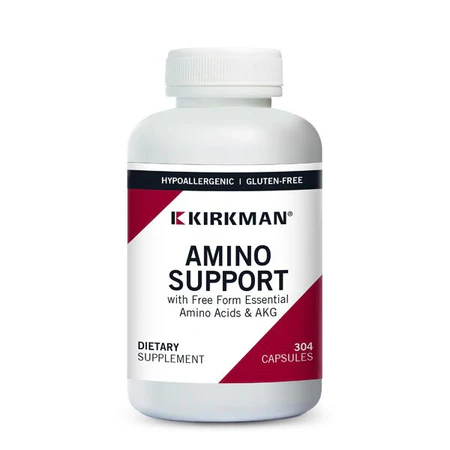
In the world of sports nutrition and bodybuilding, few supplement brands have garnered as much attention in recent years as Amino Asylum. Known for its wide range of amino acid supplements, research compounds, and innovative blends, Amino Asylum has become a topic of interest for athletes, fitness enthusiasts, and even those in the medical research community. But what exactly is Amino Asylum? How do its products work, and what should you know before considering them for your supplement regimen? This comprehensive guide explores the brand, its most popular products, the science behind amino acids, safety considerations, and the broader context of the supplement industry in 2026.
What Is Amino Asylum?
Amino Asylum is a U.S.-based supplement company specializing in amino acid blends, peptides, SARMs (Selective Androgen Receptor Modulators), and other research compounds. Founded by fitness enthusiasts, the brand aims to offer high-quality products for both athletic performance and experimental research, often marketing to those who seek advanced supplementation beyond traditional protein powders.
Key Features of Amino Asylum:
- Wide Product Range: From simple amino acid blends to complex research chemicals.
- Focus on Performance: Targeted at athletes, bodybuilders, and those seeking muscle growth, recovery, and fat loss.
- Research-Grade: Many products are labeled for “research purposes only,” reflecting a trend in the supplement industry for experimental compounds.
The Science of Amino Acids and Supplementation
Amino acids are the building blocks of protein, essential for muscle growth, tissue repair, hormone production, and numerous metabolic processes. There are 20 amino acids, 9 of which are considered essential because the human body cannot produce them. Supplementing with amino acids can:
- Promote muscle recovery and reduce soreness
- Support muscle protein synthesis
- Enhance endurance and reduce fatigue
Amino acid supplements are especially popular among athletes who train intensely and require rapid recovery between sessions.
Popular Amino Asylum Products
Amino Asylum’s catalog is vast, but some of its most popular and discussed items include:
- Intravenous (IV) Amino Acid Blends: Designed for maximum absorption and rapid delivery (research use only).
- BCAA (Branched-Chain Amino Acid) Powders: Support muscle recovery and energy during workouts.
- SARMs: Compounds like Ostarine and Ligandrol, used experimentally to enhance muscle growth and fat loss.
- Peptides: Short chains of amino acids that may influence growth hormone production, fat metabolism, and recovery.
- Pre-Workout Formulas: Blends of amino acids, stimulants, and nootropics to boost energy and focus.
Research Chemicals and Legal Considerations
Amino Asylum is known for offering compounds labeled “not for human consumption” or “for research use only.” This includes SARMs and certain peptides that are not FDA-approved for dietary supplementation. While these products are popular in the bodybuilding community, it’s important to understand:
- Legal Status: Many research chemicals occupy a gray area in supplement regulation. Their sale and use may be restricted in some regions.
- Safety: Lack of long-term studies means potential risks and side effects are not fully understood.
- Ethical Use: These products are intended for laboratory or research purposes, not for recreational or athletic use.
Are Amino Asylum Products Safe?
As with any supplement, safety is a primary concern. Key points to consider:
- Third-Party Testing: Look for certificates of analysis or third-party lab results to ensure product purity.
- Potential Side Effects: Especially with SARMs and peptides, users may experience hormonal imbalances, liver stress, or other adverse effects.
- Consult a Professional: Always consult with a healthcare provider or qualified nutritionist before starting any new supplement, particularly experimental or research compounds.
The Role of Amino Acids in Athletic Performance
Athletes and bodybuilders have long used amino acid supplements to:
- Speed up muscle recovery
- Reduce exercise-induced muscle damage
- Enhance endurance and hydration
- Support immune function during intense training
Popular forms include BCAAs (leucine, isoleucine, valine), EAAs (essential amino acids), and glutamine.
Amino Asylum and the Supplement Industry in 2026
The supplement industry has evolved, with consumers demanding transparency, third-party testing, and innovative formulas. Amino Asylum reflects these trends with:
- Detailed labeling and batch numbers
- Education on the science behind their products
- Engagement with the fitness and biohacking communities via social media and forums
Frequently Asked Questions
Q: Are Amino Asylum supplements legal? A: Most amino acid products are legal, but some research chemicals (SARMs, certain peptides) may be restricted or banned in some areas. Always check local regulations before buying.
Q: Can I use Amino Asylum products for bodybuilding? A: Many customers use their amino acid blends and pre-workouts for muscle building and recovery. However, research chemicals should only be used as directed and are not approved for athletic use.
Q: Are these products safe? A: Amino acid supplements are generally safe when used as directed, but research chemicals carry unknown risks. Always consult a professional.
Q: Why do some products say “not for human consumption”? A: This labeling is required for compounds not approved by the FDA for dietary use, often sold for research or laboratory purposes only.
Conclusion
Amino Asylum has established itself as a notable player in the world of sports supplements and research chemicals, offering a wide range of amino acid blends, peptides, and more. While their products offer exciting possibilities for muscle growth, recovery, and performance, the use of experimental compounds also raises important questions about safety, legality, and ethics. As always, consumers should prioritize evidence-based choices, consult professionals, and stay informed about the latest science and regulations in the supplement industry. With transparency and responsible use, amino acid supplementation can play a valuable role in fitness and health routines for years to come.