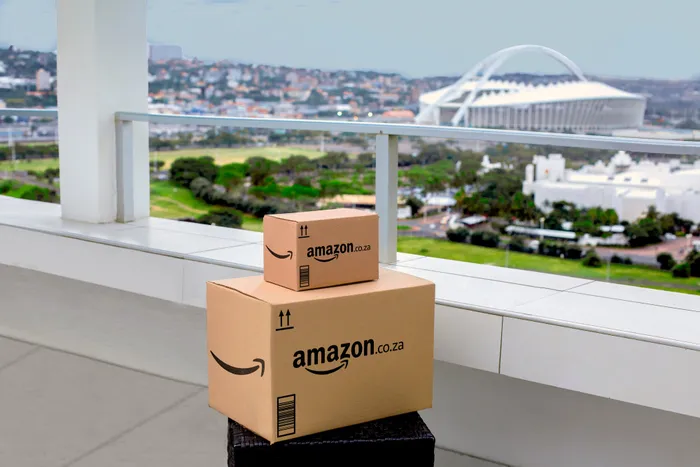
Amazon, the world’s largest online retailer, has revolutionized the way people shop, read, and even interact with technology. Founded by Jeff Bezos in 1994 as an online bookstore, Amazon has become synonymous with e-commerce, cloud computing, and digital innovation. As of 2026, the company’s influence extends into nearly every aspect of commerce and technology, making “Amazon” a keyword that represents not just a company, but a global phenomenon. This article explores Amazon’s rise, business model, innovations, controversies, and its impact on consumers and competitors alike.
The Rise of Amazon: From Startup to Superpower
Amazon began in a garage in Seattle, with Jeff Bezos’ vision to leverage the internet for retail. Initially focused on books, Amazon quickly diversified, selling electronics, apparel, groceries, and more. By the early 2000s, Amazon was a household name, expanding globally and introducing services like Amazon Prime, which offered fast shipping and exclusive content.
Today, Amazon operates in over 20 countries, with hundreds of millions of active users and a product catalog so vast it’s often called “the everything store.” Its growth is powered by a relentless focus on customer experience, low prices, and technological innovation.
Amazon’s Business Model: The Pillars of Success
Amazon’s business model is multifaceted and complex, but several core pillars drive its success:
- E-Commerce Marketplace: Amazon’s primary revenue stream comes from its online marketplace, which sells both first-party and third-party goods. Sellers can reach a global audience with Amazon handling logistics through its Fulfillment by Amazon (FBA) service.
- Amazon Web Services (AWS): Launched in 2006, AWS is now the world’s leading cloud services provider, powering everything from startups to Fortune 500 companies.
- Subscription Services: Amazon Prime, with over 200 million subscribers worldwide, offers fast shipping, video streaming, music, and more.
- Advertising: Amazon’s advertising platform is now a major profit center, allowing brands to promote their products to millions of shoppers.
- Physical Stores: From Whole Foods Market to Amazon Go convenience stores, Amazon has expanded into brick-and-mortar retail.
Innovations That Changed the Game
Amazon is known for its willingness to experiment and invest in long-term innovation. Key breakthroughs include:
- One-Click Shopping: Amazon pioneered seamless checkout, reducing friction for online buyers.
- Personalized Recommendations: Advanced algorithms suggest products based on browsing and purchase history, increasing sales.
- Alexa and Echo Devices: Amazon brought voice assistants into millions of homes, making smart home technology mainstream.
- Automated Warehouses: Robotics and AI have revolutionized Amazon’s logistics, enabling rapid order fulfillment.
- Amazon Prime Air: The company is piloting drone delivery for ultra-fast shipping in select markets.
The Impact of Amazon on Consumers
For shoppers, Amazon represents convenience, variety, and competitive pricing. Prime members enjoy free two-day shipping, exclusive deals, and access to digital content. The Amazon app and website are user-friendly, and customer service is generally responsive.
Amazon has also democratized selling. Small businesses and entrepreneurs can access a global customer base through the Amazon marketplace, though competition is fierce and fees can be significant.
Challenges and Controversies
Despite its success, Amazon is not without criticism. Common concerns include:
- Labor Practices: Reports of grueling warehouse conditions, surveillance, and union-busting have sparked protests and calls for reform.
- Market Dominance: Critics argue Amazon’s size stifles competition, leading to antitrust investigations in the U.S. and Europe.
- Data Privacy: With vast amounts of consumer data, Amazon faces scrutiny over privacy, cybersecurity, and data use.
- Environmental Impact: The environmental cost of rapid delivery and packaging waste is significant, though Amazon has pledged to achieve net-zero carbon by 2040.
Amazon’s Role in the Digital Economy
Beyond retail, Amazon shapes the digital economy in profound ways:
- Cloud Computing: AWS powers websites, apps, and services globally, including Netflix, NASA, and government agencies.
- Artificial Intelligence: Amazon invests heavily in AI for logistics, search, recommendations, and robotics.
- Streaming and Content Creation: Amazon Studios produces original movies and series, challenging traditional Hollywood.
- Smart Home Integration: With Alexa, Amazon is at the forefront of the connected home revolution.
Amazon and Small Businesses: Opportunity or Threat?
Amazon offers small businesses access to millions of customers. Its Seller Central platform simplifies logistics and payment. However, critics say Amazon’s policies favor its own products, and the company has been accused of copying best-selling items and undercutting prices.
Success on Amazon requires careful strategy: managing inventory, responding to reviews, optimizing listings, and competing with both independent sellers and Amazon itself.
How Amazon Is Shaping the Future of Retail
Amazon continues to push boundaries:
- Just Walk Out Technology: Amazon Go stores let customers shop without traditional checkout lines, using sensors and AI.
- Sustainability Initiatives: The “Climate Pledge” aims for net-zero carbon emissions and electric delivery fleets.
- Healthcare: Amazon is entering telemedicine, pharmacy, and health insurance.
- Grocery Delivery: Amazon Fresh and Whole Foods offer fast, online grocery shopping.
Shopping on Amazon: Tips for Consumers
- Compare Prices: Use price tracking tools to find the best deals.
- Read Reviews Carefully: Look for verified purchases and detailed feedback.
- Beware of Counterfeits: Stick to “Amazon’s Choice” or products sold and shipped by Amazon.
- Use Subscribe & Save: Save money on recurring purchases like household essentials.
Frequently Asked Questions About Amazon
Q: Is Amazon safe to shop on? A: Generally, yes. Use strong passwords and enable two-factor authentication for your account.
Q: How does Amazon make money? A: Through sales on its marketplace, cloud computing (AWS), advertising, and subscription services like Prime.
Q: Can I sell my products on Amazon? A: Yes, individuals and businesses can register as sellers. There are fees and rules to follow.
Q: Is Amazon environmentally friendly? A: Amazon is investing in sustainability but faces ongoing criticism over packaging and delivery emissions.
Conclusion
Amazon’s journey from a humble online bookstore to a global technology leader is a defining story of the digital age. The company’s relentless focus on innovation, customer experience, and expansion has changed the way we shop and live. Whether as a consumer, seller, or observer, understanding Amazon is key to understanding the future of commerce and technology. As Amazon continues to evolve in 2026 and beyond, its impact on society will only grow, making it a keyword that’s as relevant as ever.