In the rapidly evolving world of software development and education, tools that simplify coding and make it accessible to all are in high demand. Among the most influential of these is Blockly—a powerful, open-source library that allows developers and learners to build visual programming editors. With its colorful, snap-together blocks and intuitive interface, Blockly has not only transformed how people learn to code but also how educators teach computational thinking and problem-solving skills. This article delves deep into Blockly’s features, history, applications, and impact on the world of programming education.
What Is Blockly?
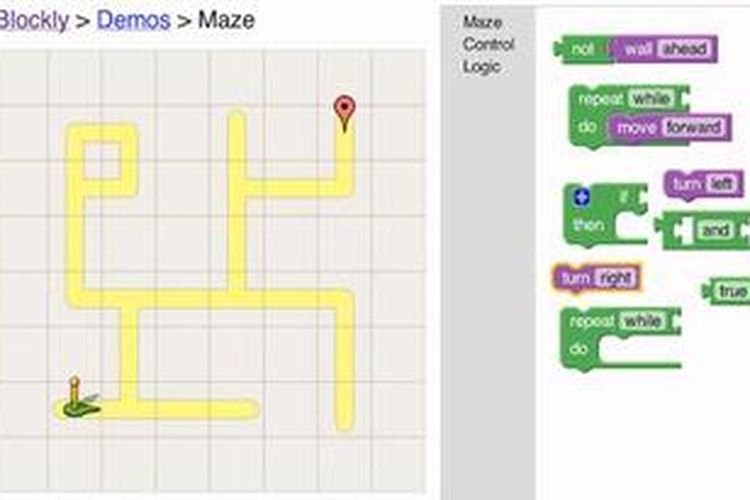
Blockly is a client-side library for building visual programming editors, created and maintained by Google. It enables users to create code by dragging and connecting graphical blocks that represent programming concepts such as variables, loops, conditionals, functions, and more. Behind the scenes, Blockly can generate code in JavaScript, Python, PHP, Lua, Dart, and other languages, making it a versatile tool for both beginners and advanced developers.
The Origins and Evolution of Blockly
Blockly was first introduced by Google in 2012 as a way to lower the barrier to entry for programming, especially for young learners. It builds upon earlier visual programming paradigms like MIT’s Scratch but is designed as a library that can be embedded into any web application. Over the years, Blockly has been refined and expanded, with a vibrant open-source community contributing to its growth. Today, it is used in hundreds of educational tools, coding platforms, and even robotics kits worldwide.
Core Features of Blockly
- Drag-and-Drop Interface: Users can build programs by snapping together blocks that fit like puzzle pieces, eliminating syntax errors and reducing frustration for beginners.
- Customizable Blocks: Developers can create new blocks tailored to specific applications, making Blockly highly extensible.
- Real Code Generation: Every block arrangement translates into real code—users can view and export their code in multiple languages.
- Internationalization: Blockly supports dozens of languages, making it accessible to learners globally.
- Embeddable: Any website or app can integrate Blockly’s visual editor, making it a flexible choice for diverse projects.
Why Blockly Matters in Education
Blockly is widely regarded as a breakthrough in programming education. Here’s why:
- Lowering the Learning Curve: By abstracting away complex syntax, Blockly allows beginners—especially children—to focus on logic and structure.
- Immediate Feedback: Mistakes are minimized, and students can see instant results as they build and modify block sequences.
- Supporting Computational Thinking: Blockly encourages learners to break problems into logical steps, a critical skill in software development and beyond.
- Bridging to Text-Based Coding: As learners progress, Blockly can display the equivalent code, easing the transition to traditional programming languages.
Popular Applications and Platforms Using Blockly
- Code.org: One of the world’s largest online coding education platforms, Code.org uses Blockly as the foundation for its beginner courses and Hour of Code activities.
- MIT App Inventor: This platform, designed for building Android apps, relies on Blockly to let users visually assemble app logic.
- MakeCode by Microsoft: Used for programming micro:bit devices and Minecraft mods, MakeCode incorporates Blockly for block-based coding.
- Robotics Kits: Many educational robotics kits, such as Lego Mindstorms and Wonder Workshop, use Blockly-based editors to program robots.
Blockly vs. Scratch: Key Differences
While both Blockly and MIT’s Scratch use block-based visual programming, there are some important distinctions:
- Flexibility: Blockly is a library for developers to embed and customize, while Scratch is a standalone programming environment.
- Code Generation: Blockly can output code in multiple text-based languages, while Scratch is mainly designed for its own ecosystem.
- Integration: Blockly can be integrated into any website or tool, giving it wide applicability.
Customizing Blockly for Your Needs
One of Blockly’s greatest strengths is its extensibility. Developers can:
- Design custom blocks for domain-specific applications (e.g., controlling IoT devices, creating quizzes, or building games)
- Control the workspace layout, toolbox categories, and themes
- Localize the editor and blocks for different languages
- Connect Blockly to real hardware or APIs for interactive projects
How to Get Started With Blockly
Are you an educator, developer, or hobbyist interested in Blockly? Here’s how to begin:
- Visit the Official Blockly Website: https://developers.google.com/blockly/
- Explore the Demos: Blockly offers live demos showcasing different block configurations and code generation.
- Access the Documentation: Detailed guides help you embed Blockly, create custom blocks, and connect to code generators.
- Join the Community: The open-source community maintains forums, GitHub repositories, and discussion groups for support and inspiration.
Blockly’s Role in Promoting Diversity in Tech
By removing barriers to entry, Blockly has helped attract a more diverse group of learners to coding—regardless of age, language, or background. Its use in after-school programs, coding bootcamps, and community workshops has broadened access to high-quality computer science education.
Challenges and Limitations
Despite its strengths, Blockly is not without challenges:
- Scalability: For very large or complex projects, block-based programming can become unwieldy.
- Transition to Advanced Concepts: While Blockly is excellent for beginners, advanced users may quickly outgrow its capabilities and require more robust, text-based environments.
- Device Compatibility: Blockly is web-based, so fully offline or hardware-integrated use can require additional development.
The Future of Blockly
The future looks bright for Blockly as the demand for coding literacy grows. The development team continues to enhance features, improve accessibility, and expand language support. Integrations with AI, IoT, and AR/VR platforms are on the horizon, expanding the potential applications of visual programming.
Conclusion: Why Blockly Matters
Blockly has established itself as an essential tool in the visual programming landscape. Its drag-and-drop interface, versatility, and open-source ethos make it a favorite among educators, developers, and learners. Whether you are building an educational app, teaching your child to code, or prototyping new ideas, Blockly provides an accessible and powerful way to bring programming to life. As technology continues to shape our world, tools like Blockly will play a critical role in empowering the next generation of creators and innovators.