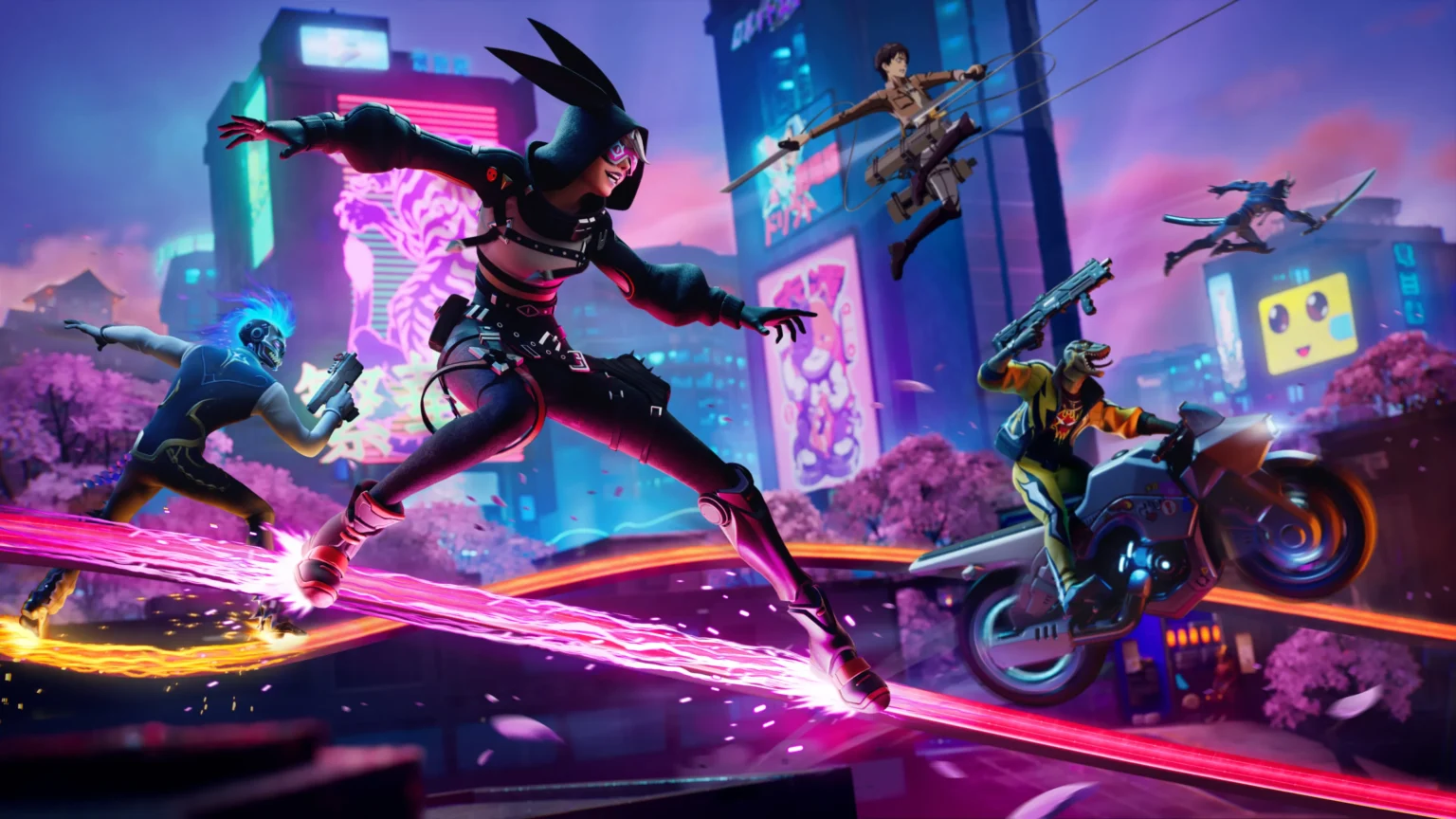
In the landscape of modern video games, few titles have had as profound or lasting an impact as Fortnite. Launched by Epic Games in 2017, Fortnite quickly transcended the boundaries of a typical online game, evolving into a cultural juggernaut that influences music, fashion, esports, and even global social trends. This article explores Fortnite’s explosive rise, its innovative gameplay, the reasons behind its enduring popularity, and its influence beyond the world of gaming.
The Birth of Fortnite
Fortnite was not always destined for global stardom. When Epic Games first unveiled the title, it was conceived as a cooperative survival game called “Fortnite: Save the World,” where players would band together to fend off waves of zombie-like creatures while building defensive structures. While well-received, this mode did not immediately set the world alight.
The game’s breakthrough came with the introduction of “Fortnite Battle Royale” in September 2017. Inspired by the rising popularity of the “battle royale” genre—where 100 players compete to be the last person or team standing—Epic Games released the mode as a free-to-play experience. With its vibrant graphics, fast-paced action, and unique building mechanics, Fortnite Battle Royale quickly captured the imagination of millions.
Gameplay: Building, Battling, and Surviving
What sets Fortnite apart from other battle royale games is its innovative blend of traditional shooter mechanics and real-time building. Players are dropped onto a massive island, where they scavenge for weapons, resources, and equipment. As the playable area shrinks over time, combat intensifies, and strategic building becomes essential for protection, navigation, and gaining a tactical edge.
The building system, drawn from the original “Save the World” mode, allows players to construct walls, ramps, and defensive structures on the fly. This mechanic adds a layer of creativity and depth to battles, rewarding quick thinking and skillful construction. Whether you’re an aggressive player seeking eliminations or a cautious strategist focused on survival, Fortnite’s gameplay accommodates a wide range of styles.
Seasons, Skins, and In-Game Events
One of Fortnite’s most significant innovations is its use of “seasons.” Every few months, the game introduces a new season with fresh content, map changes, limited-time modes, and an evolving storyline. This approach keeps the game feeling fresh, encourages player retention, and fuels anticipation for what comes next.
A hallmark of Fortnite’s success is its extensive customization options. Players can purchase or earn “skins” (cosmetic outfits for their characters), back bling, pickaxes, emotes, and gliders. The in-game currency, V-Bucks, is used to buy these items, but none confer a gameplay advantage—ensuring that Fortnite remains fair and accessible.
Fortnite has also pioneered the concept of in-game live events. These spectacles—ranging from concerts by global superstars like Travis Scott and Ariana Grande to massive in-game story moments—draw millions of players together for shared, real-time experiences. These events have blurred the line between game and interactive entertainment, making Fortnite a cultural hub as much as a video game.
Esports and Competitive Scene
Fortnite’s competitive scene is as vibrant as its casual play. Epic Games has hosted high-profile tournaments such as the Fortnite World Cup, which in 2019 featured a $30 million prize pool and attracted players from around the globe. Professional players and streamers like Bugha, Ninja, and Tfue have become household names, and Fortnite competitions are regularly broadcast on platforms like Twitch and YouTube.
The game’s competitive landscape is unique in that it welcomes all players, from newcomers to seasoned veterans, through open qualifiers and regularly updated tournaments. This inclusivity has helped foster a passionate and diverse community of players and fans.
Community and Social Impact
A significant factor in Fortnite’s meteoric rise has been its community. The game’s cross-platform capabilities allow players on PC, console, and mobile devices to play together seamlessly. This accessibility has made Fortnite a virtual meeting place for friends and fans worldwide.
The social aspect extends beyond gameplay. Fortnite’s emotes and dances—often inspired by pop culture and viral trends—have become phenomena in their own right, with children and celebrities alike replicating them in real life. The game’s chat features and party systems have made it easy for players to socialize, collaborate, and form lasting friendships.
Artistic Collaborations and Pop Culture
Fortnite’s collaborations with artists, musicians, film studios, and brands are legendary. Marvel superheroes, Star Wars characters, NFL teams, and even icons like Kratos and Master Chief have all appeared in the game. These partnerships keep Fortnite at the forefront of pop culture and offer fans unique ways to engage with their favorite franchises.
Notably, the game has hosted virtual concerts, movie premieres, and exclusive in-game content drops. These events have turned Fortnite into a digital stage for creators and brands, setting new standards for interactive entertainment.
Monetization and Business Model
Fortnite’s free-to-play model, supported by cosmetic microtransactions and a seasonal “Battle Pass,” has proven highly lucrative. The Battle Pass, which offers a tiered system of rewards for completing challenges, incentivizes players to keep playing and unlock new content. This non-intrusive approach to monetization, which avoids pay-to-win mechanics, has been praised by players and industry analysts alike.
Epic Games has also used Fortnite’s success to launch the Epic Games Store, compete with major digital storefronts, and make significant investments in game development technology.
Challenges and Criticisms
Despite its success, Fortnite has not been without controversy. Concerns have been raised about screen time, in-game purchases by minors, and the potential for addiction. Epic Games has responded with parental controls, spending limits, and educational resources to promote healthy gaming habits.
The game’s rapid updates and meta shifts, while keeping things fresh, can also frustrate competitive players who value stability. Balancing accessibility for newcomers with depth for veterans is an ongoing challenge.
The Future of Fortnite
As Fortnite enters its next chapter, the game shows no signs of slowing down. Epic Games continues to invest in new features, creative modes, and partnerships. The introduction of “Creative” mode has enabled players to build their own worlds and mini-games, fostering a thriving ecosystem of user-generated content.
Looking ahead, Fortnite is likely to remain at the forefront of both gaming and broader digital culture. Its blend of social interaction, competition, creativity, and live events has set a new standard for what online games can be.
Conclusion
Fortnite’s journey from humble cooperative shooter to global phenomenon is a testament to innovation, community, and adaptability. By embracing change, collaborating with artists and brands, and keeping its finger on the pulse of pop culture, Fortnite has redefined what it means to be a video game in the 21st century.
Whether you’re building towering forts, dancing with friends, or chasing a Victory Royale, Fortnite offers something for everyone—a digital playground where imagination and competition collide. As the world of gaming continues to evolve, Fortnite will undoubtedly remain a leading light, inspiring and entertaining millions across the globe.