When it comes to men’s grooming, few haircuts have stood the test of time and trends as well as the taper fade. This versatile hairstyle has become a staple in barbershops around the world, appreciated for its clean look, adaptability, and the way it flatters virtually every face shape. Whether you’re a style enthusiast seeking the latest look or someone who values a low-maintenance, classic cut, the taper fade offers the perfect blend of tradition and modernity.
What is a Taper Fade?
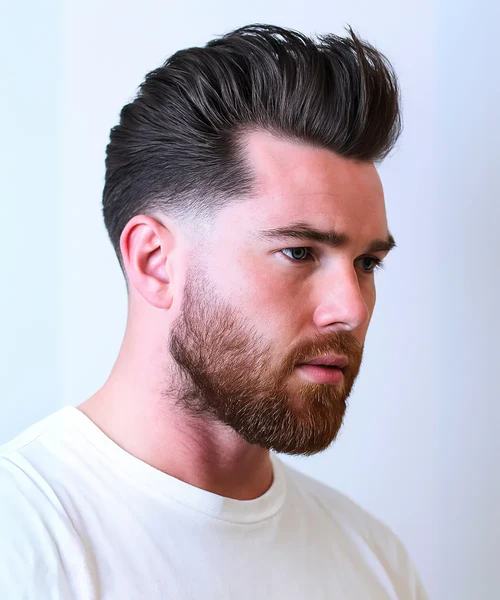
A taper fade refers to a haircut where the hair is gradually shortened from the top of the head down to the neckline, blending seamlessly into the skin. The “taper” describes the gradual decrease in length, while the “fade” typically refers to the point where the hair becomes very short or even skin-level around the sides and back.
This technique creates a smooth transition from longer hair on top to shorter hair on the sides and back, resulting in a clean, sophisticated appearance. Unlike some other short styles, the taper fade isn’t limited to a single look; it’s a broad category that includes a variety of lengths, shapes, and finishes, making it a favorite among barbers and clients alike.
The History of the Taper Fade
The taper fade’s roots can be traced back to the military cuts of the early 20th century, where practicality and neatness were paramount. As barbers perfected their craft, the fade evolved, gaining popularity in the 1940s and 1950s with the rise of jazz and the classic American barbershop culture.
During the 1980s and 1990s, the fade became a hallmark of hip-hop and urban style, with barbers introducing creative variations and line work. Today, the taper fade continues to evolve, crossing cultural boundaries and appealing to a diverse clientele, from celebrities and athletes to professionals and students.
Types of Taper Fades
The beauty of the taper fade lies in its adaptability. Here are some of the most popular variations:
1. Low Taper Fade
The fade begins just above the ears and curves around the hairline to the nape of the neck. This creates a subtle, understated look that works well for professional settings or anyone new to fades.
2. Mid Taper Fade
The fade starts midway up the sides, striking a balance between boldness and subtlety. The mid taper fade is versatile and works with most face shapes and hair types.
3. High Taper Fade
The fade begins higher on the head, often near the temples. This creates a dramatic contrast between the longer hair on top and the short sides, resulting in a striking, modern look.
4. Skin (Bald) Taper Fade
The hair is faded all the way down to the skin at the shortest point. This sharp, clean look stands out and requires regular maintenance to keep it crisp.
5. Temple Taper Fade (Brooklyn Fade)
The fade is focused around the temples and sideburns, leaving the rest of the hair longer. This subtle variation is popular in both classic and urban styles.
6. Drop Fade
The fade drops down behind the ear, creating a curved shape that follows the head’s natural contours. This adds dimension and can accentuate the jawline.
7. Burst Fade
The fade radiates out from the ear, leaving the hair longer at the neckline and crown. This style is often paired with a mohawk or mullet for an edgier look.
Why Choose a Taper Fade?
1. Versatility
The taper fade works with virtually any hair type—straight, wavy, curly, or coiled. It can be paired with a variety of top styles, from pompadours and quiffs to curls and textured crops.
2. Flattering for All Face Shapes
Because the fade can be customized in height and shape, it can be tailored to highlight your best features and balance your face shape.
3. Low Maintenance
A well-executed taper fade maintains its shape as it grows out, making it a practical choice for those who prefer less frequent trips to the barber.
4. Clean and Professional
The gradual transition creates a neat appearance suitable for both formal and casual environments.
5. Room for Personalization
The taper fade serves as a canvas for creative touches like hard parts, lines, designs, and different lengths on top.
How to Ask for a Taper Fade at the Barber
Communication is key to getting the taper fade you want. Here are some tips for your next barber visit:
- Be Specific: Mention the type of taper fade (low, mid, high, etc.) and how short you want the sides and back.
- Top Length: Let your barber know how long you want to keep the hair on top and how you plan to style it.
- Show a Photo: Bringing a reference photo can help your barber visualize the exact look you’re after.
- Discuss Maintenance: Ask how often you should return for touch-ups to keep your fade looking sharp.
Styling and Maintaining a Taper Fade
A taper fade can be as low-maintenance or as styled as you like. Here’s how to keep your look fresh:
- Regular Trims: Depending on how quickly your hair grows and how sharp you want your fade, visit the barber every 2-4 weeks.
- Use Quality Products: Choose styling products that suit your hair type and desired look—pomade for shine, clay for texture, or mousse for volume.
- Moisturize and Condition: Faded sides expose more scalp, so use a good conditioner and, if needed, moisturizing oils to prevent dryness.
- Brush or Comb Daily: Keep your fade neat by brushing or combing as needed, especially if you have curly or wavy hair.
Popular Hairstyles with a Taper Fade
The taper fade serves as the perfect base for numerous hairstyles. Some popular pairings include:
1. Classic Pompadour with Taper Fade
Combining volume on top with faded sides creates a timeless yet modern look.
2. Curly Top with Low Taper Fade
Letting natural curls breathe on top while keeping the sides tight adds contrast and definition.
3. Slick Back with High Taper Fade
A slicked-back top with high faded sides is both stylish and professional.
4. Textured Crop with Mid Taper Fade
A messy, textured crop on top with a clean fade is easy to style and maintain.
5. Afro with Temple Taper Fade
This keeps natural texture prominent while providing clean lines around the hairline and temples.
6. Parted Styles with Taper Fade
A hard part or side part with faded sides creates a sharp, defined look.
The Taper Fade in Popular Culture
Celebrities, athletes, and influencers have all embraced the taper fade. Stars like David Beckham, Zayn Malik, Michael B. Jordan, and Drake have sported variations of the fade, helping to popularize it around the globe. Barbers on social media platforms like Instagram and TikTok showcase their creative taper fade designs, inspiring countless clients to try the style.
Conclusion: The Taper Fade—A Cut Above
The taper fade’s enduring popularity is no accident. Its blend of classic barbering, modern flair, and unmatched versatility makes it a go-to haircut for millions. Whether you prefer a subtle low fade or a bold skin fade, the taper fade can be tailored to suit your personality, lifestyle, and fashion sense.
As men’s grooming continues to evolve, the taper fade stands out as a timeless, adaptable, and stylish choice—a testament to the artistry of barbering and the universal appeal of a great haircut.