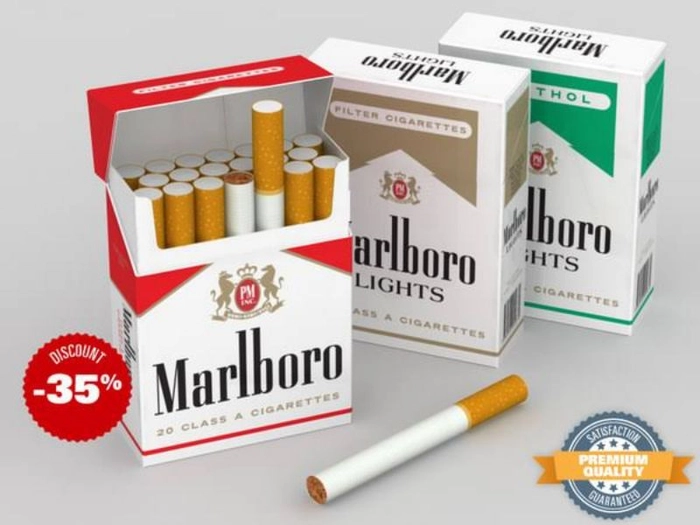
In the world of consumer goods, coupons have always played an influential role in shaping purchasing behavior. Among the various markets where coupons are common, the tobacco industry—especially the segment dominated by Marlboro, one of the world’s most recognizable cigarette brands—has long relied on coupon campaigns to retain customers and promote brand loyalty. This article delves into Marlboro coupons: their history, how they work, where to find them, their impact on both consumers and public health, and the evolving landscape of tobacco marketing in the digital age.
The Origin and Purpose of Marlboro Coupons
Marlboro, produced by Philip Morris USA, has been a leading cigarette brand for decades. Since the late 20th century, as tobacco taxes and retail prices rose, tobacco companies began offering coupons as a way to offset rising costs for loyal customers. The goal was simple: keep smokers engaged and returning to the brand despite increasing economic and social pressure to quit.
Originally, Marlboro coupons were distributed through direct mailers, inside cigarette packs, or in promotional materials handed out at events. These coupons typically offered price discounts—“Save $1.00 on your next pack”—or buy-one-get-one-free offers. Some campaigns even allowed smokers to accumulate points for prizes, known as the “Marlboro Miles” program, which ran from the 1990s until it ended in 2006 due to regulatory pressure.
Today, while the format and distribution methods have evolved, the intent of Marlboro coupons remains: to reward customer loyalty, reduce financial barriers, and maintain market share in an ever-tightening regulatory environment.
How Marlboro Coupons Work
Marlboro coupons function much like any other consumer coupon, but they are subject to strict regulations due to their association with a controlled product. Here’s how they typically work:
-
Distribution:
- Coupons may be mailed directly to adult smokers who register with Marlboro’s official website and verify their age.
- Some are distributed in-store, via mobile apps, or through direct email and SMS campaigns.
-
Redemption:
- Each coupon has a unique code or barcode and can only be redeemed at participating retailers.
- The typical offer is a dollar amount off a pack or carton, or sometimes a multi-pack discount.
- Coupons are usually single-use and have a clear expiration date.
-
Limitations:
- Most states require coupon users to be of legal smoking age (usually 21 and up as of recent years in the US).
- Many retailers are legally required to check ID at the point of sale.
- Some states or localities have banned tobacco coupons altogether to discourage smoking.
Where to Find Marlboro Coupons
If you are an adult smoker, there are several ways to legally obtain Marlboro coupons:
- Official Marlboro Website: By creating an account and verifying your age at marlboro.com, you can opt into promotional mailings and digital coupons.
- Physical Mailers: Marlboro may send coupons to your home address if you register on their site.
- In-Store Promotions: Occasionally, tobacco shops and convenience stores will offer instant discounts or tear-off coupons at the register.
- Mobile Apps: Some digital coupon platforms partner with Marlboro to deliver discounts via mobile devices, though these must comply with strict age verification.
- Special Events: In the past, Marlboro reps at sponsored events have given out coupons, but such practices are less common due to tighter regulations.
It is illegal to sell or trade tobacco coupons, and reputable sites will never offer to sell Marlboro coupons. Be wary of third-party websites that promise printable coupons for tobacco products—these are often scams or violate company policy.
The Legality and Ethics of Tobacco Coupons
Tobacco coupons exist in a heavily regulated environment. The US Food and Drug Administration (FDA) and various state agencies closely monitor how and where they can be distributed and redeemed. Key points include:
- Federal Law: The FDA prohibits tobacco companies from distributing free samples of cigarettes but allows coupons for discounts, provided they are not targeted at underage individuals.
- State Law: Some states and municipalities, such as New York City and Providence, Rhode Island, have banned the redemption of tobacco coupons to reduce smoking rates.
- Retailer Responsibility: Stores must verify the age of customers redeeming coupons and comply with both federal and local laws.
- Ethical Considerations: Public health advocates argue that coupons undermine anti-smoking efforts by making cigarettes more affordable, especially for price-sensitive groups like teens and low-income adults.
The Impact of Marlboro Coupons on Consumer Behavior
Coupons are a powerful tool for influencing consumer behavior, and tobacco is no exception. Several studies have shown that:
- Increased Consumption: Price discounts can encourage smokers to buy more cigarettes than they otherwise would, potentially increasing consumption.
- Brand Loyalty: Coupons foster loyalty to Marlboro, making it less likely that smokers will switch to competitors or quit.
- Price Sensitivity: Smokers who rely on coupons may be more responsive to price increases, making coupons a way to retain customers in the face of higher taxes or prices.
- Undermining Cessation: By reducing the cost of cigarettes, coupons may discourage smokers from quitting, which is a major concern for public health campaigns.
Marlboro Coupons in the Digital Age
With the rise of digital marketing, Marlboro has adapted its coupon strategies. Today’s digital coupons are more targeted and secure, often requiring multi-step age verification and unique codes to prevent misuse. Some key trends include:
- Personalized Offers: Marlboro’s digital platform can tailor coupons to individual user habits, offering larger discounts to high-frequency smokers or those who haven’t redeemed a coupon in a while.
- Mobile Integration: Coupons can be sent via SMS or accessed through mobile apps, making redemption easier and more discreet.
- Data Collection: By registering for coupons, users provide information about their demographics and behaviors, which helps Marlboro refine its marketing strategies.
The Debate: Marketing vs. Public Health
The use of Marlboro coupons sits at the intersection of corporate marketing and public health. While coupons are a legal marketing tool, their use raises ethical questions:
- Health Risks: Smoking remains the leading preventable cause of death worldwide. Making cigarettes cheaper through coupons may perpetuate addiction and health problems.
- Targeting Vulnerable Populations: Critics argue that coupons disproportionately affect lower-income communities and young adults, who are more sensitive to price changes.
- Regulatory Pushback: In response to these concerns, some governments are pushing for outright bans on tobacco discounts and coupons.
Alternatives and the Future of Tobacco Coupons
As regulations tighten and public awareness grows, the future of Marlboro coupons is uncertain. Some possible trends include:
- Greater Restrictions: More states and cities may ban or restrict tobacco coupons.
- Shift to Non-Combustible Products: Marlboro and other brands may focus coupon promotions on alternatives like e-cigarettes or heated tobacco products.
- Digital-Only Coupons: Physical coupons may become obsolete as digital age-verification becomes the norm.
Conclusion
Marlboro coupons have been a fixture of tobacco marketing for decades, offering savings to loyal customers and helping the brand maintain its market dominance. While they provide short-term financial relief to smokers, they are also a flashpoint in the ongoing debate between corporate rights and public health. As regulations evolve and digital marketing becomes more sophisticated, both smokers and society at large will continue to grapple with the complex legacy of tobacco coupons.