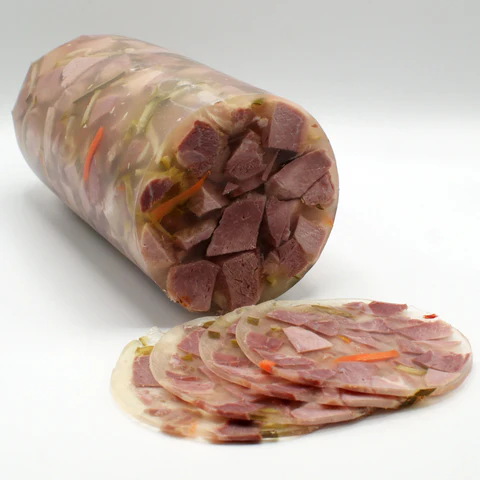
Souse meat, sometimes simply called “souse,” is a traditional dish with deep roots in Caribbean, Southern American, and European cuisines. This tangy, flavorful meat preparation is cherished for its unique texture, bold flavors, and its role in cultural celebrations and everyday meals. In this article, we’ll explore what souse meat is, its origins, how it’s prepared, and why it remains a beloved culinary tradition across the world.
What is Souse Meat?
Souse meat is a type of pickled meat dish, typically made from parts of a pig—such as the head, feet, or hocks—though variations may use beef, chicken, or even fish. The meat is cooked, deboned, and then soaked in a brine or pickling solution made of vinegar, lime or lemon juice, spices, and herbs. The result is a cold, tangy, and slightly gelatinous dish often served as an appetizer, snack, or part of a main meal.
Historical Origins and Cultural Significance
The origins of souse meat can be traced back to European traditions, particularly in Germany and the British Isles, where similar preparations like head cheese or brawn were common. These dishes were born out of necessity, as a way to preserve meat before the advent of refrigeration and to ensure that no part of the animal went to waste.
As Europeans migrated to the Caribbean and the Americas, they brought these preservation techniques with them. In the Caribbean, souse evolved with the use of local spices, hot peppers, and citrus, resulting in a brighter, zestier flavor profile. In the American South, souse became embedded in African-American culinary traditions, especially in regions with strong pork-processing industries.
Souse meat is more than just food—it’s a reflection of resourcefulness, community, and celebration. It is commonly enjoyed at family gatherings, festivals, and as a weekend treat, often served with bread, pickles, or hot sauce.
Ingredients Used in Souse Meat
While recipes for souse meat vary by region and personal preference, traditional souse meat generally includes:
- Pork (head, feet, hocks, ears, or snouts)
- Vinegar (white or cider)
- Lime or lemon juice
- Onions
- Garlic
- Hot peppers (Scotch bonnet, habanero, or chili flakes)
- Salt and pepper
- Spices (allspice, cloves, bay leaf, thyme)
- Herbs (parsley, cilantro)
Some variations include cucumbers, carrots, or gelatin to help set the mixture. The preparation method and seasoning can be adapted to suit local tastes and available ingredients.
Preparing Souse Meat: Step-by-Step
- Clean the Meat: Wash the pork thoroughly, often scrubbing with lime or lemon to remove any impurities and odors.
- Boil: Place the meat in a large pot of water, add salt and spices, and boil until tender. This can take several hours, especially for tougher cuts.
- Debone and Chop: Once cooked, remove the meat from the bones and chop it into bite-sized pieces.
- Prepare the Pickling Solution: In a separate bowl, combine vinegar, citrus juice, sliced onions, hot peppers, garlic, and herbs.
- Mix and Marinate: Add the cooked meat to the pickling solution. Mix thoroughly to ensure the meat is well coated.
- Chill: Refrigerate the souse for several hours or overnight. This allows the flavors to meld and the meat to take on the brine’s tangy taste.
- Serve: Souse is typically served cold, garnished with additional herbs or chili. It pairs well with crackers, bread, or root vegetables.
Regional Variations of Souse Meat
- Caribbean Souse: In Barbados, Trinidad, and the Bahamas, souse is usually made with pig’s feet or chicken, featuring lots of lime, cucumber, and hot pepper. It’s served cold, often on Saturdays as a social food.
- Southern U.S. Souse: In the American South, souse is sometimes called “head cheese” and is more gelatinous, set into a loaf with cooking broth, vinegar, and spices. It’s sliced and served on sandwiches or with crackers.
- European Souse: European versions, like German Sülze or British brawn, use aspic (gelatin from bones) to set the meat into a jelly, often flavored with vinegar and herbs.
Nutritional Value and Health Aspects
Souse meat is high in protein and minerals like calcium and phosphorus, thanks to the use of bone-in cuts. However, it can also be high in sodium due to the pickling process, and may be fatty, depending on the cuts used. When prepared with leaner meats and less salt, souse can be a flavorful addition to a balanced diet.
Popular Souse Meat Recipes
Caribbean-Style Pork Souse
Ingredients:
- 2 lbs pig’s feet, cleaned and chopped
- 1 cup white vinegar
- 2 limes (juice)
- 1 large onion, sliced
- 2 cloves garlic, crushed
- 1 Scotch bonnet pepper, sliced
- 1 cucumber, sliced
- 1 tbsp salt
- 1 tsp black pepper
- 1 tsp fresh thyme
Instructions:
- Clean and scrub pig’s feet with lime, rinse well.
- Boil in salted water until tender (1.5–2 hours).
- Drain and cool, remove bones, chop meat.
- Mix meat with vinegar, lime juice, onion, garlic, pepper, cucumber, thyme, salt, and black pepper.
- Chill at least 4 hours before serving.
Southern Souse Loaf
Ingredients:
- 2 lbs pork hocks or head meat
- 1 cup cider vinegar
- 2 bay leaves
- 1 tbsp salt
- 1 tsp black pepper
- 1 small onion, chopped
- 1 tsp crushed red pepper
Instructions:
- Simmer pork in water with bay leaves until very tender.
- Remove meat, cool, chop finely.
- Boil down cooking liquid by half, strain.
- Combine meat, broth, vinegar, onion, salt, pepper, and red pepper in a loaf pan.
- Chill until set. Slice and serve cold.
Souse Meat in Modern Cuisine
While souse meat is rooted in tradition, chefs and home cooks alike are reinventing it with new ingredients and techniques. Some use chicken or turkey for a lighter version, others add vegetables or fruit for a fresh twist. Gourmet restaurants may serve souse as part of charcuterie boards, paired with artisanal breads and pickles.
The rise of interest in nose-to-tail cooking and food sustainability has also revived appreciation for dishes like souse. By using less popular cuts and minimizing waste, souse honors the whole animal and the culinary ingenuity of earlier generations.
Souse Meat vs. Sous Vide Meat: Clearing Up Confusion
It’s important to distinguish between souse meat and sous vide meat. While “souse” refers to pickled, chilled meats, “sous vide” is a technique where food is vacuum-sealed and gently cooked in a water bath. Both methods celebrate flavor and texture but represent different culinary traditions.
Conclusion
Souse meat is a testament to the power of tradition, resourcefulness, and the enduring appeal of bold, tangy flavors. Whether enjoyed in the Caribbean, the Southern United States, or Europe, souse delights with its unique taste and cultural significance. As interest in traditional foods and nose-to-tail eating continues to grow, souse meat stands out as a dish worth savoring, sharing, and celebrating.